
Planting
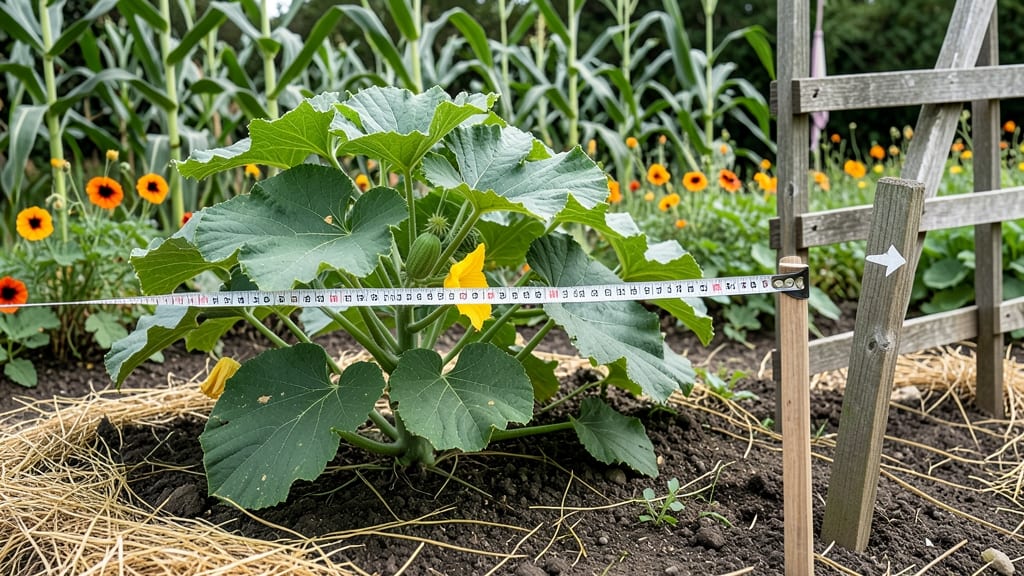
Proper squash spacing in garden makes the difference between a bountiful harvest and a struggle with bitter, stunted fruits 🎃.
Picture this: you’ve planted your squash after the last frost, eager for a summer of fresh zucchini and pumpkins, only to find your plants fighting for space, leaves yellowing, and fruits staying small. That’s not just a gardening mishap—it’s a spacing problem.
Squash needs room to breathe, whether you’re growing bush varieties or sprawling vines. Too close, and you’ll deal with powdery mildew and poor airflow; too far, and you waste precious garden space. The right spacing keeps your plants healthy, boosts yield, and even deters pests naturally.
In this guide, I’ll break down the exact spacing rules for summer squash, winter squash, and both bush and vining types—plus how to adjust for small gardens or containers.
You’ll learn how to arrange your plants for maximum harvests without overcrowding, so you can enjoy those plump, sweet squashes all season long.
Optimal squash spacing by variety: summer vs winter vs bush vs vining
When planning your squash garden, proper spacing guidelines are everything. Too close, and you’ll end up with small, misshapen fruits and disease-prone plants. Too far apart, and you waste precious garden real estate. The key?
Understanding how each squash variety grows—whether it’s bush types or sprawling vining varieties, summer squash like zucchini, or winter squash like butternut. Let’s break it down so you can maximize your harvest without the chaos.
Squash plants fall into distinct categories, each with unique spacing needs. Summer squash (zucchini, yellow squash) and bush varieties stay compact, while winter squash (pumpkins, butternut) and vining types spread aggressively. Even within these groups, mature plant size dictates spacing.
For example, a bush butternut squash needs half the space of a vining pumpkin. Ignoring these differences leads to crowded vines, poor airflow, and powdery mildew—a gardener’s nightmare.
| Variety Type | Spacing (Feet) | Hill Spacing (Feet) | Rows Apart (Feet) | Notes |
|---|---|---|---|---|
| Summer Squash (Zucchini, Yellow Squash) | 2-3 ft | 3-4 ft | 3-4 ft | Compact; harvest frequently to encourage production. |
| Winter Squash (Butternut, Acorn) | 3-4 ft | 4-5 ft | 4-5 ft | Bush types need less space; vining types require trellising. |
| Pumpkins (Small Varieties) | 4-5 ft | 5-6 ft | 5-6 ft | Large vines; use hills for better drainage. |
| Bush Squash (Compact Varieties) | 1.5-2 ft | 2-3 ft | 2-3 ft | Perfect for small gardens or containers. |
| Vining Squash (Spaghetti, Long Island Cheese) | 5-6 ft | 6-8 ft | 6-8 ft | Trellis to save space; prune aggressively. |
🌱 Pro Tip: Adjust spacing for container gardening by halving distances.
For summer squash like zucchini or yellow squash, 2-3 feet apart is ideal. These plants are prolific producers, and crowding leads to overripe fruits and pests hiding in dense foliage. Plant
How to space squash plants for maximum yield without overcrowding
Proper squash spacing isn't just about fitting more plants into your garden—it's about creating an environment where each plant thrives. When squash plants compete for nutrients, sunlight, and air circulation, they produce fewer, lower-quality fruits.
I've learned the hard way that cramming plants together for "bigger harvests" actually backfires, leading to powdery mildew and stunted growth. The key is balancing plant density with airflow and sunlight exposure to maximize your yield while keeping your garden healthy.
Whether you're growing bush squash varieties like pattypan or sprawling vining types like butternut, the spacing rules differ dramatically. I'll walk you through proven methods for arranging squash in rows, hills, or trellises, plus companion planting strategies that naturally deter pests while improving growth.
Let's transform your squash patch from a crowded mess to a productive powerhouse.
- 1. Row Spacing: Plant summer squash in rows 3-4 feet apart with 2-3 feet between plants. For winter squash, increase to 4-5 feet between rows and 3-4 feet between plants to accommodate larger vines.
- 2. Hill Method: Create mounds 12-18 inches high and 3 feet apart. Plant 2-3 seeds per hill for bush types or 1-2 seeds for vining varieties. This improves drainage and airflow at the base.
- 3. Trellising: For vining squash, use trellises or cages 5-6 feet tall. Space plants 2-3 feet apart along the trellis base. This saves space while improving fruit quality by keeping plants off the ground.
- 4. Companion Plants: Interplant with nasturtiums (deters squash bugs) or bush beans (fixes nitrogen). Avoid planting near potatoes or fennel, which stunt squash growth.
- 5. Soil Prep: Amend soil with compost and aged manure before planting. Squash are heavy feeders and need fertile soil to support proper spacing and growth.
Before planting, prepare your soil by removing weeds and adding organic matter like compost or well-rotted manure. Squash plants have large leaves that shade the soil, so mulch around the base with straw to retain moisture and suppress weeds.
I've found that black plastic mulch works wonders for warming the soil early in the season, especially for winter squash varieties that need a longer growing period.
Monitor your plants weekly for signs of overcrowding stress, such as yellowing leaves, powdery mildew, or stunted growth. If you notice these symptoms, it's time to thin your plants or relocate them.
I once had a zucchini patch where the plants were touching each other by mid-July—within two weeks, I was battling mildew. Proper spacing prevents these issues entirely.
For container gardening, choose bush varieties like 'Eight Ball' zucchini and use pots at least 12 inches deep and wide. Space containers 2-3 feet apart to allow airflow. If you're growing vining types in containers, opt for 5-gallon buckets with trellises and plant just one vine per container.
This mimics proper spacing while adapting to limited space.
Remember, proper spacing isn't about squeezing in more plants—it's about giving each plant the room to grow strong, produce abundantly, and resist pests. With these techniques, you'll transform your squash patch from a chaotic jungle into a thriving, productive garden that yields beautiful, flavorful fruits all season long. 🎃