
Planting
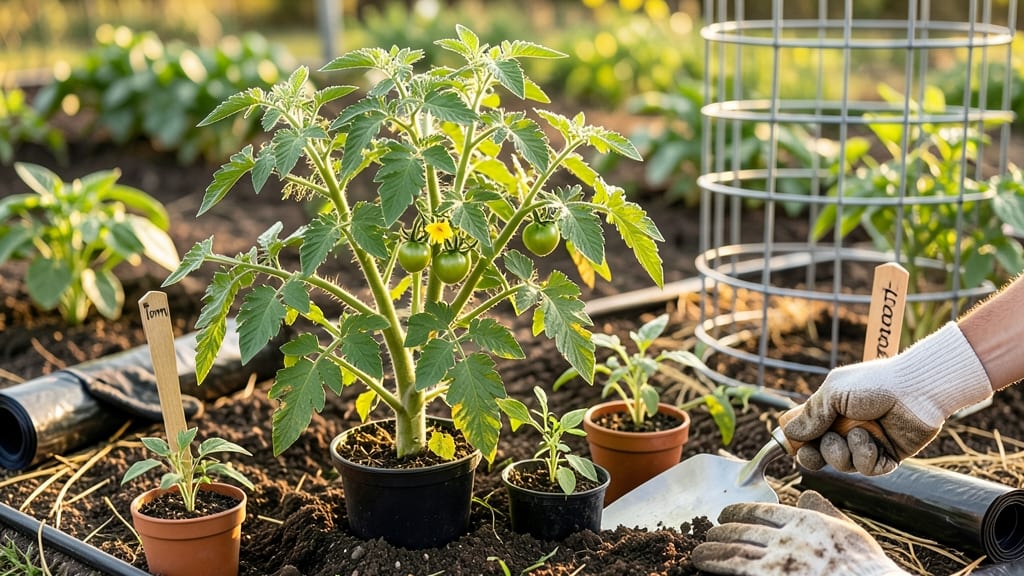
Planting a vegetable garden in Florida requires knowing exactly when to plant to beat the heat and humidity—because timing is everything in a state where summers can fry even the hardiest greens.
Picture this: You’ve prepped your soil, ordered your seeds, and then—BAM—June hits, and your tender seedlings wilt faster than a snowcone in the sun.
Florida’s long growing season is a gift, but without the right schedule, you’ll miss out on peak harvests or watch your plants struggle under the relentless glare.
That’s why I’ve broken down the best months for every zone—whether you’re in the cooler north or the steamy south—and spotlighted the heat-resistant varieties that thrive here. No more guesswork, just proven timing to turn your garden into a year-round feast.
From tomatoes that love the heat to greens that prefer cooler snaps, you’ll learn how to stretch your planting window, avoid common mistakes, and keep your 🌱 garden productive even when the thermometer climbs.
Florida’s planting zones & best months for heat-resistant vegetables
Florida’s 11 distinct planting zones create unique microclimates that demand precise timing for vegetable gardens. Unlike northern states, Florida’s long growing season allows year-round planting—but knowing when to start warm-season crops like tomatoes and peppers versus cool-season lettuce and broccoli is key to avoiding heat stress and maximizing yields.
Northern Florida (Zones 8a-8b) faces cooler winters with occasional frost, while Central (Zones 9a-9b) and South Florida (Zones 10a-11) enjoy tropical warmth year-round.
This means warm-season crops can be planted earlier in the South, while Northern gardeners must wait until after the last frost date (typically mid-March to early April).
Below is your zone-by-zone planting guide with exact months for heat-resistant vegetables, plus cool-season alternatives to keep your garden productive year-round. Pro tip: Use shade cloth for summer plantings to protect tender seedlings from intense sun.
In Northern Florida (Zones 8a-8b), start warm-season crops like tomatoes and peppers no earlier than mid-April to avoid soil temperatures below 65°F, which stunts root growth. For cool-season crops, plant lettuce and broccoli in late summer (August-September) to harvest before winter chill sets in.
Central Florida (Zones 9a-9b) offers a 6-month growing window for warm-season crops, starting as early as February. My trick? Plant peppers in February for an early harvest, then follow with tomatoes in March. For cool crops, September is ideal—just mulch heavily to retain moisture during Florida’s dry winters.
South Florida (Zones 10a-11) is the golden zone for year-round gardening. Here, tomatoes and peppers can be planted in January, while cool-season crops thrive from October through March. Use drip irrigation to prevent fungal diseases in the humid summer months.
Regardless of zone, always test your soil before planting—Florida’s sandy soil often lacks organic matter. Amend with compost or aged manure to improve water retention and nutrient availability. For heat-sensitive crops like cucumbers, provide afternoon shade during June-August to prevent bolting.
Pro move: Use succession planting for bush beans and okra every 2-3 weeks to ensure a continuous harvest. These heat-loving crops thrive in Florida’s summer heat and reward gardeners with prolific yields when planted at the right time.
Remember, Florida’s unpredictable weather means flexibility is key. Keep a planting journal to track what works best in your microclimate—your future garden will thank you!
Top 10 heat-resistant vegetables for Florida gardens & how to grow them
Florida’s summer heat can turn a garden into a sauna, but these 10 heat-resistant vegetables thrive in our climate. From sweet potatoes to malabar spinach, these varieties tolerate humidity and high temperatures better than traditional crops.
The key? Planting at the right time and providing proper care to outsmart pests and soil challenges.
Unlike northern gardens, Florida’s year-round growing season means you can plant warm-season crops almost anytime. However, timing still matters—especially for transplanting seedlings and managing soil moisture. I’ve tested these varieties in my Central Florida garden and found that spacing, mulching, and afternoon shade can make all the difference.
Sweet Potatoes
Planting: Slips (young plants) after last frost, March-April in North FL, April-May in South FL. Depth: 4-6 inches, spacing: 12-18 inches apart.
Sun: Full sun (6+ hours). Soil: Well-draining, sandy loam. Pro Tip: Mulch heavily to retain moisture and prevent weeds.
Okra
Planting: Seeds after May 1 when soil is 75°F+. Depth: 1 inch, spacing: 12-18 inches apart.
Sun: Full sun. Drought-tolerant: Water deeply 2-3x/week once established. Harvest: Pods at 2-3 inches.
Malabar Spinach
Planting: Seeds or cuttings year-round (fast-growing). Depth: ½ inch, spacing: 12 inches apart.
Sun: Partial shade (protect from midday sun). Humidity-loving: Keep soil moist. Harvest: Leaves anytime.
Black-Eyed Peas
Planting: Seeds February-March (North FL) or August-September (South FL). Depth: 1 inch, spacing: 4-6 inches apart.
Sun: Full sun. Heat-tolerant: Avoid planting until soil warms. Harvest: Pods when plump.
Peppers (Jalapeño, Cayenne)
Planting: Transplants March-April (North) or April-May (South). Depth: 1 inch, spacing: 18 inches apart.
Sun: Full sun. Heat-loving: Provide afternoon shade in 100°F+ temps. Harvest: Before frost.
For pests like squash bugs and aphids, I swear by neem oil sprays applied in the early morning to avoid harming beneficial insects. Sweet potatoes and okra also benefit from row covers during sudden rainstorms to prevent soil-borne diseases like fusarium wilt.
Don’t overlook companion planting—pair basil with tomatoes to repel pests, or plant marigolds around your garden to deter nematodes. Florida’s sandy soil drains quickly, so always amend with compost before planting to retain moisture and nutrients.
With these heat-resistant varieties and a few smart tricks, you’ll enjoy a bountiful harvest even when temperatures soar. Start small, experiment with spacing, and watch your Florida garden thrive! 🌱☀️