
Planting
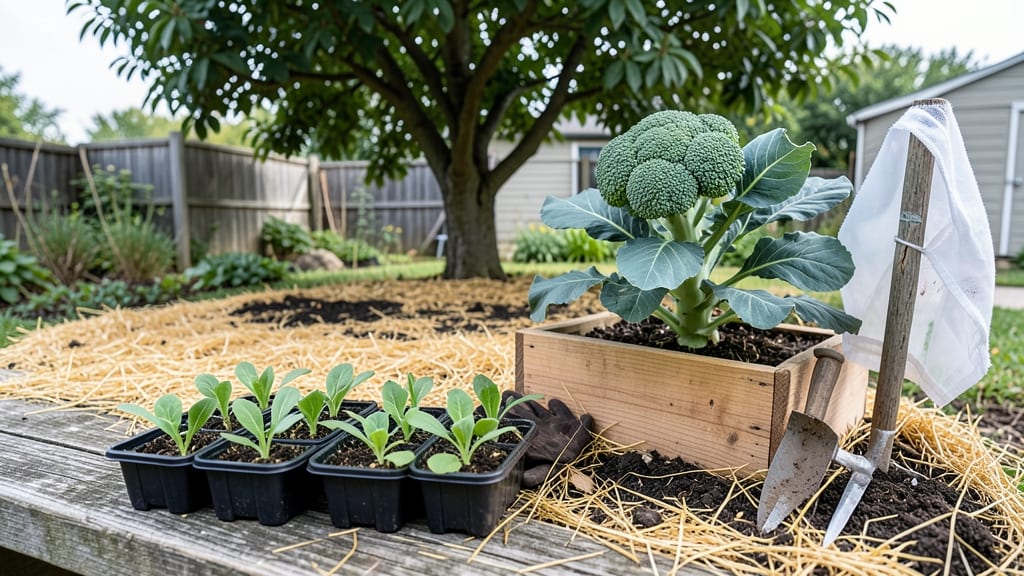
Planting a winter garden in Florida starts in September, when summer’s brutal heat finally backs off—but timing is everything, and getting it wrong means struggling through a season you could’ve dominated.
Here’s the catch: Florida’s frost-free zones let you grow year-round, but cool-season crops like kale and carrots need the right chill to thrive. Plant too early, and you’ll battle heat stress; too late, and your harvests arrive just as spring warms up.
The 45-day window between mid-September and mid-October is your sweet spot for most zones, but North Florida’s cooler microclimates shift that timeline by weeks.
This isn’t just about dates—it’s about soil, soil, soil. Florida’s sandy earth needs amendments to hold moisture and nutrients, and skipping this step is how gardens fail before they even start.
I’ll walk you through the exact prep work, the crops that perform best in your zone, and how to stretch your harvests until April without losing your mind to pests or weather surprises.
Ready to turn your winter garden from a gamble into a reliable harvest? Let’s break down the mistakes that sink 90% of Florida’s winter gardens—and how to avoid them.
Optimal planting windows for Florida’s winter garden by region
Florida’s winter garden thrives when planted at the right time, but the optimal windows vary dramatically across North, Central, and South Florida. Unlike northern states, Florida’s frost-free zones (8b–11) allow year-round growing, but temperature shifts in fall and winter still dictate success.
Plant too early, and summer heat stresses seedlings; too late, and crops bolt before spring. Let’s break down the perfect planting windows for each region.
North Florida (Zones 8a–8b) experiences the coolest winter temps, with occasional frosts. Here, September–October is prime for fall crops, while Central Florida (Zones 9a–9b) can start as early as mid-August for heat-tolerant varieties.
South Florida (Zones 10a–11) enjoys year-round growing, but November–January is ideal for maximizing yield. Each region also has unique temperature thresholds for germination.
| Region | Planting Window | Ideal Temps (°F) | Best Crops | Key Tip |
|---|---|---|---|---|
| North Florida | September–October | 65–80°F (day) / 50–60°F (night) | Kale, Collards, Broccoli, Carrots, Spinach | Use row covers for frost protection |
| Central Florida | Mid-August–November | 70–85°F (day) / 55–65°F (night) | Lettuce, Swiss Chard, Radishes, Green Onions, Peas | Start heat-sensitive crops in late August |
| South Florida | November–January | 75–90°F (day) / 60–70°F (night) | Okra, Sweet Potatoes, Mustard Greens, Turnips, Beets | Focus on drought-tolerant varieties |
For North Florida, prioritize leafy greens and brassicas like kale and collards, which thrive in cooler temps (65–80°F).
These crops handle mild frosts better than others, but a light frost warning means covering plants with row fabric or old sheets. September is the best month to sow seeds directly, while October works for transplants like broccoli and cabbage.
In Central Florida, the window is wider, allowing for two planting phases. Start with heat-tolerant crops like sweet potatoes in mid-August, then shift to cool-season greens by October.
The key is soil temperature: aim for 70°F or below for optimal germination. Swiss chard and radishes are excellent choices here—they mature quickly and tolerate partial shade.
South Florida’s warmer winters mean fewer frost risks, but humidity and pests can still challenge winter gardens.
Focus on drought-resistant crops like okra and sweet potatoes, which thrive in 75–90°F temps. November is ideal for direct sowing, while December–January works for transplants. Mustard greens and turnips also perform well, adding bold flavors to winter meals.
Regardless of region, soil prep is non-negotiable. Test your soil’s pH (6.0–7.0 ideal) and amend with compost or aged manure before planting. Mulching with straw or pine needles helps retain moisture and suppress weeds. Water deeply in the morning to avoid fungal diseases, and avoid overhead watering at night.
Pro tip: Use shade cloth (30–50%) for heat-sensitive crops like lettuce in Central and South Florida. This trick extends the growing season by 2–3 weeks in late summer or early fall.
Pair it with drip irrigation to keep roots cool and hydrated. For North Florida, consider a cold frame to protect seedlings from unexpected 30°F dips.
Timing your winter garden isn’t just about months—it’s about microclimates. A shady spot near a building might stay 10°F warmer than open ground, letting you plant 2 weeks earlier.
Observe your garden’s unique conditions for a few seasons to refine your schedule. With the right planting windows and crop choices
4 Critical mistakes that ruin Florida winter gardens (and how to fix them)
Florida’s winter garden season might seem simple—just plant and grow—but timing and preparation make all the difference. Many gardeners rush into planting too early, ignore soil health, or pick crops that wilt in mild winter chill.
These 4 common mistakes can turn your dream winter harvest into a sad, stunted mess. Let’s fix them before your seeds hit the dirt.
First, planting too early is a classic trap. While Florida rarely sees frost, unpredictable cold snaps can still hit, especially in North Florida zones. If you plant heat-loving crops like cucumbers or tomatoes in September, they’ll bolt or rot before producing.
The fix? Wait until mid-October for most regions—when soil temps drop below 85°F—to avoid stressing tender seedlings.
⚠️ callout-warning ⚠️
❄️ Warning: Florida’s ‘Frost’ Isn’t Just Cold—It’s Humidity + Wind
Even without freezing temps, Florida’s winter can bring chilly, damp nights (below 50°F) that stunt growth. Leafy greens like spinach and lettuce can survive 40°F, but peppers and eggplants need 55°F+ to thrive. Check your zone: North FL (8b) is riskier than South FL (10a).
Fix: Use row covers for sensitive crops or delay planting until November 1st for safer starts.
Second, skipping soil prep is a silent killer. Florida’s sandy soil drains too fast, leaching nutrients just when your winter crops need them most. A quick soil test reveals if your pH is off (ideal: 6.0–7.0 for most veggies) or if organic matter is lacking.
My fix? Amend beds with 2–3 inches of compost and a balanced fertilizer (5-10-10) before planting. For heavy clay spots, mix in peanut hulls or pine bark fines to improve drainage.
Third, choosing heat-sensitive crops for winter is like wearing a wool coat in July—it doesn’t work. Crops like okra, sweet potatoes, or basil thrive in summer but languish in 60°F temps. Swap them for cold-hardy picks like kale, broccoli, or carrots, which sweeten in cooler weather.
Pro tip: Collard greens and turnips are Florida winter superstars—they taste better after a light frost (yes, even our mild one!).
Finally, overcrowding seedlings steals their potential. Tight spacing leads to disease spread and poor air circulation, inviting fungal pests like downy mildew. Follow spacing guidelines: 12–18 inches apart for brassicas, 4–6 inches for lettuce, and 6–12 inches for root crops.
Thin seedlings early to avoid root competition—it’s brutal but worth it for bigger, healthier plants.
Fix these mistakes, and your Florida winter garden will thrive instead of just survive. Start with soil prep in August, pick the right crops for October–November planting, and watch your harvests shine come winter. Happy growing! 🌱