
Blooming
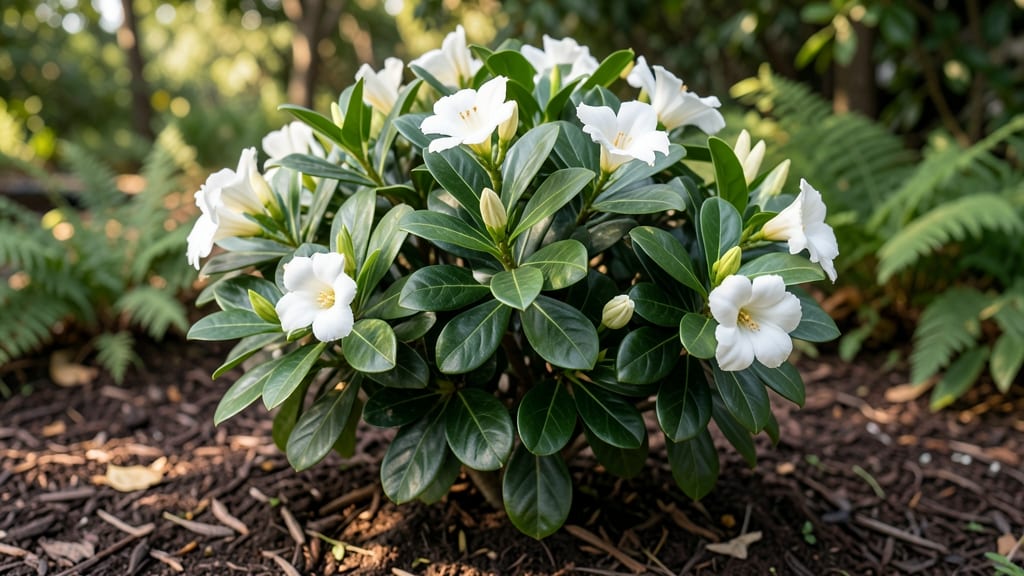
Gardenia bushes bloom between late spring and summer 🌸, turning your yard into a fragrant haven—but only if you time their care just right.
Picture this: you’ve nurtured your gardenia for months, only to wake up one morning and realize those velvety white blooms still haven’t appeared. The intoxicating scent you’ve dreamed of hasn’t arrived yet, and you’re left wondering what went wrong.
The truth? Their blooming window is tied to climate, sunlight, and even the variety you’ve planted.
In most regions, including USDA Zone 6a, gardenias typically burst into bloom from June through September, with peak flowering in July and August. But if you’re in a warmer climate, like the South, you might see buds opening as early as May.
The key to unlocking that fragrant display lies in understanding how temperature, daylight, and care habits influence their timing.
Below, I’ll break down the exact month-by-month bloom schedule for your zone, plus pro tips to encourage earlier (or longer-lasting) flowers—so you can enjoy that tropical paradise scent without the guesswork.
Gardenia bloom season: month-by-month timeline by climate Zone
The gardenia bush is famous for its fragrant white blooms, but their bloom season varies dramatically depending on your USDA climate zone. Whether you live in the humid South or cooler coastal regions, understanding these seasonal patterns helps you anticipate—and even extend—those intoxicating blooms.
Let’s break down what to expect month-by-month in zones 7 through 11, where gardenias thrive.
Gardenias are sensitive to temperature shifts and daylight hours. In warmer zones (9-11), blooms often start as early as February, while cooler zones (7-8) may see their first flowers in late May or June.
The key is balancing warmth, humidity, and sunlight exposure—all of which we’ll explore in detail below.
| Climate Zone | Early Blooms | Peak Blooms | Late Blooms | Notes |
|---|---|---|---|---|
| Zone 7 | Late May | June–July | Early August | Needs winter protection; blooms shorten in cooler years. |
| Zone 8 | Early May | May–August | September | Longer bloom season; prune after late blooms. |
| Zone 9 | February | March–June | July–August | Can bloom year-round in ideal conditions. |
| Zone 10 | January | February–May | June–September | Minimal dormancy; blooms year-round with care. |
| Zone 11 | December | January–April | May–October | Tropical climates; minimal seasonal change. |
In Zone 7, gardenias often wait until late spring to bloom because they need consistent warmth (above 60°F) to trigger flowering. If your Zone 7 gardenia skips blooms, it might be struggling with late frosts or poor soil acidity.
In contrast, Zone 11 gardeners enjoy nearly year-round blooms, with only slight reductions during the hottest summer months.
Daylight plays a crucial role too. Gardenias are short-day plants, meaning they bloom in response to longer daylight hours. In northern climates (Zone 7-8), blooms align with summer solstice (June 21), while southern zones (9-11) see staggered blooms due to milder seasonal shifts.
For example, a Zone 9 gardenia might bloom in February (short days) and again in July (long days).
Regional variations also matter. Coastal areas in Zone 9-10 often have longer bloom seasons thanks to moderate humidity and mild winters. Meanwhile, inland zones (like Zone 8 in Arizona) may experience shorter bloom periods due to dry heat or temperature swings.
If you’re in a drier climate, consider mulching and regular watering to mimic tropical conditions.
Temperature thresholds are critical. Gardenias won’t set buds if nights drop below 55°F.
How to encourage gardenia blooms: pruning, light, and care tips
Gardenia bushes reward patient gardeners with fragrant, velvety blooms—but only when they receive the right care. The key to maximizing flowers lies in understanding their light needs, pruning schedule, and soil conditions.
I’ve learned that even the hardiest gardenia can struggle to bloom if these basics aren’t met, so let’s dive into the proven strategies that work.
First, let’s talk about light exposure. Gardenias thrive in bright, indirect sunlight, ideally with 4-6 hours of morning sun and afternoon shade. Too much direct sun can scorch their leaves, while too little light stunts flower production.
I’ve seen gardeners in hot climates use 50% shade cloth to protect their plants during peak afternoon hours while still getting enough light.
⚠️ callout-warning ⚠️
Next, pruning plays a crucial role in encouraging blooms. The best time to prune is right after flowering, typically in late summer or early fall. This removes spent blooms and encourages new growth for next year’s flowers. When pruning, cut back 1/3 of the plant’s height and shape it to maintain an open center. I always use sterilized pruners to prevent disease spread.
Don’t overlook soil pH—gardenias are acid-loving plants that need a pH between 5.0 and 6.5. Test your soil annually and amend with peat moss or sulfur if needed.
I’ve seen gardenias refuse to bloom in alkaline soil, no matter how well they’re watered. A simple soil test kit makes this easy to check.
Consistent watering is another secret to abundant blooms. Gardenias need deep, regular watering—about 1 inch per week—but they hate soggy roots. I water mine in the early morning to reduce evaporation and fungal risks. Mulching around the base helps retain moisture while keeping roots cool.
Finally, patience is key. Young gardenias may take 2-3 years to reach full blooming potential. During this time, focus on establishing strong roots with light feeding and proper care. Once established, your gardenia will reward you with months of fragrant blooms from late spring through summer.
With these proven care tips, you’ll turn your gardenia into a blooming superstar year after year. The secret is in the details—light, pruning, soil, and water—all working together to create that tropical paradise scent. 🌸