
Blooming
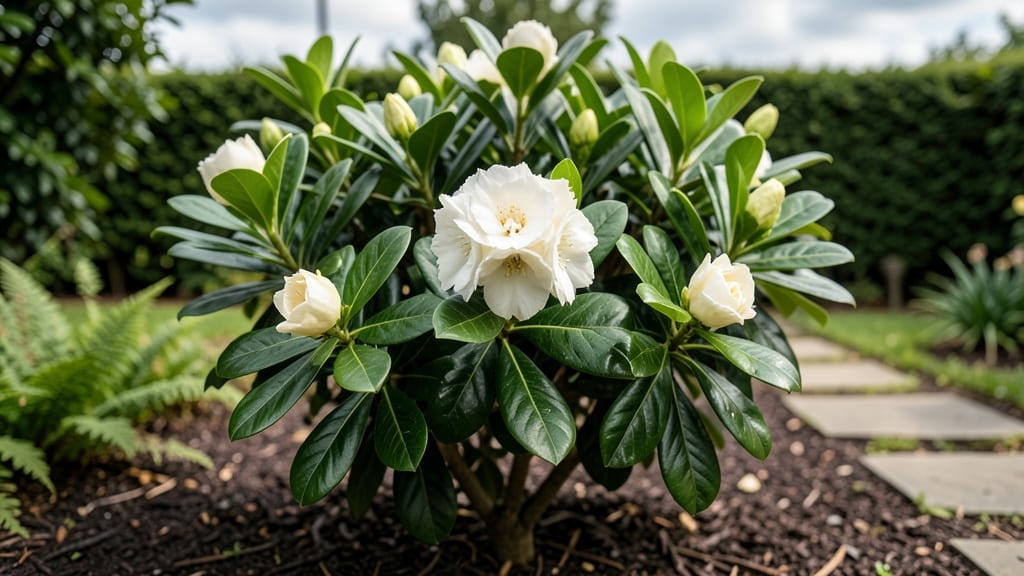
Gardenias in Texas bloom between late spring and early fall, with timing that shifts dramatically from North to South — and getting it right means the difference between fragrant 🌸 clusters and bare branches.
If you’ve ever admired gardenias’ intoxicating scent but wondered why your Texas garden isn’t blooming on schedule, timing is everything—and it varies dramatically by region. From East Texas humidity to West Texas heat, these tropical favorites thrive in specific windows, but only if you plant them right.
In North Texas (zones 8a-9a), blooms typically start in May and peak through July, while Gulf Coast gardenias (zones 10a-11) may burst into flower as early as March, thanks to milder winters.
Central Texas (8b-9b) falls somewhere in between, with blooms stretching from April to September—but heat waves can cut seasons short if you don’t adjust care.
Below, I break down the exact months by region, the pruning tricks to extend blooms, and how to protect your gardenias from Texas’ brutal summers—so you can enjoy those creamy-white flowers (and that heavenly fragrance) for as long as possible.
Gardenia bloom seasons in Texas by region (exact months)
Texas gardeners know that gardenia blooms don’t follow a one-size-fits-all schedule—they’re heavily influenced by regional climate. In East Texas, where humidity lingers year-round, gardenias often burst into bloom as early as late February, while West Texas varieties may wait until May due to drier conditions.
Understanding these patterns helps you time plantings and pruning for maximum fragrance and beauty.
The key to successful gardenia blooming lies in temperature triggers and humidity levels. Gardenias native to tropical climates need consistent moisture and warmth to set buds. In Central Texas, where spring rains arrive in March and April, blooms typically peak in late April to early June.
Meanwhile, the Gulf Coast enjoys a longer bloom window from March through July, thanks to its mild winters and high humidity.
| Region | Primary Bloom Window | Secondary Bloom Window | Key Climate Factor |
|---|---|---|---|
| East Texas (USDA Zones 8a-9a) | Late February – Early May | September – October | High humidity, mild winters |
| Central Texas (USDA Zones 8b-9b) | Late April – Early June | August – September | Moderate rainfall, hot summers |
| West Texas (USDA Zones 8a-9a) | May – June (delayed) | September – October | Low humidity, dry heat |
| Gulf Coast (USDA Zones 10a-11) | March – July (extended) | September – November | Tropical climate, year-round warmth |
In East Texas, where spring blooms arrive early, gardeners often see a second flush in fall (September–October) as temperatures cool. This region’s high humidity and abundant rainfall create perfect conditions for gardenias to thrive.
If you’re in Houston or Beaumont, expect your gardenias to reward you with continuous blooms from March through July, with a brief pause in summer’s peak heat.
Central Texas, including Austin and San Antonio, experiences a slightly delayed bloom season due to hotter, drier springs. Gardenias here typically wait until late April to begin blooming, with peak fragrance in May and June. The fall bloom window (August–September) is equally spectacular, especially after summer rains recharge the soil. Pruning in late winter encourages earlier spring blooms, while light pruning after summer blooms helps shape the plant for fall.
Gardeners in West Texas, such as those in Lubbock or Midland, face the biggest challenges with gardenia blooms due to low humidity and intense heat. Blooms here often delay until May or June, and the season is shorter.
To coax blooms, mulch heavily to retain moisture and water deeply in the early morning. Dwarf varieties like ‘Kleim’s Hardy’ are best suited for this region, as they tolerate drier conditions better than standard gardenias.
The Gulf Coast, including Galveston and Corpus Christi, offers the most forgiving climate for gardenias, with year-round growing potential. Here, gardenias can bloom anytime from March through November, with peak fragrance in spring and fall.
The tropical climate eliminates concerns about frost damage, allowing gardeners to enjoy continuous blooms if they maintain consistent care. Salt tolerance is also a plus in coastal areas, making gardenias a resilient choice.
Regardless of your Texas region, soil pH is the most critical factor for encouraging blooms. Gardenias thrive in acidic soil (pH 5.0–6.0), but Texas’ native soil is often alkaline (pH 7.5–8.5). Amending soil with peat moss or sulfur can create the ideal environment.
Additionally, fertilizing in early spring with an acid-loving plant formula (like 10-10-10) gives gardenias the nutrients they need to set buds early.
If your gardenias aren’t blooming on schedule, check for over-fertilizing with nitrogen, which promotes leafy growth over flowers.
Instead, use a low-nitrogen, high-phosphorus fertilizer to encourage blooming. Prune spent blooms regularly to redirect energy into new flowers, and avoid heavy pruning in late summer, as this can delay fall blooms.
With the right regional adjustments, your Texas gardenias will reward you with months of intoxicating fragrance. 🌸
How to extend gardenia blooms in Texas (pro tips)
Texas gardeners know gardenias love to bloom—but only if you give them the right care. These tropical beauties often struggle with alkaline Texas soil and intense summer heat, which can shorten their bloom season.
The key to extending those fragrant blooms lies in pruning at the right time, adjusting your soil pH, and protecting them from winter frost. Let’s dive into the pro tips that’ll keep your gardenias flowering longer than ever.
First, let’s tackle the biggest bloom-killer: poor soil conditions. Gardenias thrive in acidic soil (pH 5.0-6.0), but most Texas soils are naturally alkaline. Without correction, your plants will focus energy on survival instead of blooming.
I’ve seen gardeners double their bloom time simply by amending their soil with peat moss or sulfur. A quick soil test will tell you exactly how much to adjust—aim for that sweet spot between 5.0 and 6.0 pH.
⚠️ Pro Tip: When Do Gardenias Bloom in Texas?
Timing is critical: Gardenias in Texas typically bloom from late spring (May) to early fall (September), with a peak in June and July. However, fall-planted gardenias often bloom earlier the following spring. In North Texas (USDA Zones 8a-9a), blooms may start as early as April, while South Texas (Zones 10a-11) can enjoy blooms year-round with proper care. Prune after blooming to encourage next year’s flowers!
Next up: pruning for longevity. Many gardeners make the mistake of pruning at the wrong time, which can reduce next year’s blooms. Always prune right after the blooming season (late summer or early fall) to shape your plant and remove dead growth.
Avoid heavy pruning in spring or summer, as this stresses the plant and cuts back on flower production. I recommend using sterilized shears to prevent disease spread—trust me, your gardenias will thank you.
Watering is another area where Texas gardeners often go wrong. Gardenias need consistent moisture, but they hate soggy roots. In our drought-prone summers, I water mine deeply every 2-3 days in the morning to reduce evaporation.
Mulching around the base helps retain moisture and keeps roots cool. If you’re in West Texas, consider adding a drip irrigation system to ensure steady watering—this can extend blooms by weeks compared to sporadic hose watering.
Don’t forget about winter protection, especially if you’re in North or Central Texas. While gardenias are frost-sensitive, a light frost cloth or even a thick layer of mulch can protect them from temperatures below 25°F.
I’ve had gardenias survive winters in Zone 8a with these simple steps. If you’re in South Texas, you’re in luck—your gardenias can bloom nearly year-round with minimal protection.
Finally, avoid these common bloom-killers: over-fertilizing with high-nitrogen feeds (which promotes leaves over flowers), using hard water (which raises soil pH), and planting in full sun without shade.
Instead, feed your gardenias with a balanced, acidic fertilizer in early spring and fall, and always water with rainwater or filtered water if possible. With these tweaks, you’ll enjoy those creamy white blooms for months longer than your neighbors!
With the right care, your gardenias can bloom continuously from spring to fall—and maybe even into winter in warmer regions. Try these tips this season, and you’ll be the envy of every gardener in Texas with gardenias that never stop flowering. 🌸