
Plants
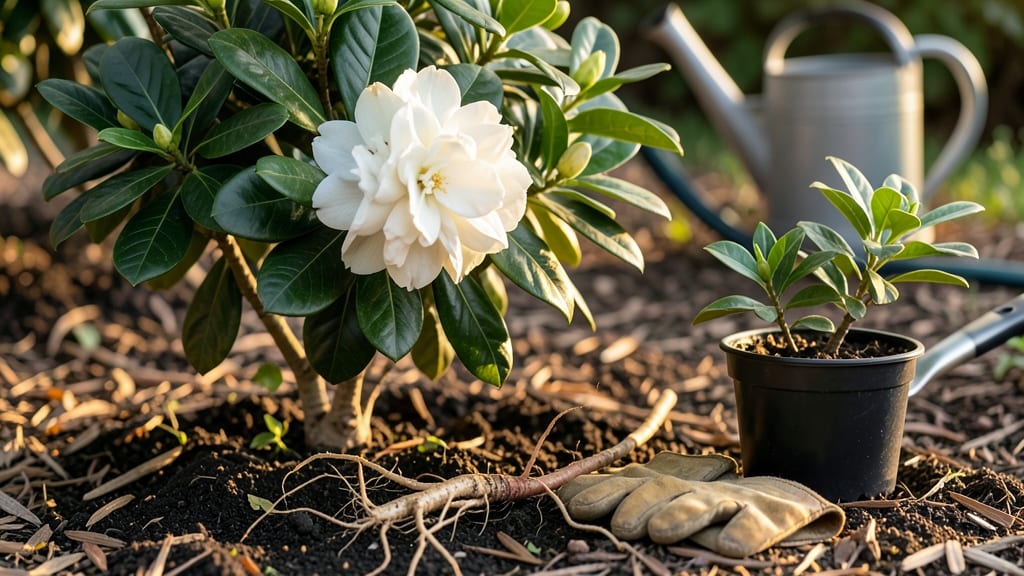
Planting gardenias in Texas at the right time means lush blooms and fewer struggles with the heat — and the secret lies in knowing when to put them in the ground.
Texas gardeners know the struggle—plant gardenias too early, and they’ll wilt in the summer heat; too late, and they won’t bloom before winter’s chill. Timing is everything for these fragrant favorites, but mastering it means lush, thriving bushes year after year.
For USDA zones 8a-10b, the ideal windows are early spring (February-March) or late summer (August-September), when soil temperatures are just right. North Texas gardeners should wait until mid-March to avoid late frosts, while South Texas can start as early as January.
Below, I’ll break down the exact timing for your region, soil prep tips, and care tricks to keep your gardenias thriving through Texas summers.
Best planting months for gardenias in Texas heat zones
Timing your gardenia planting in Texas isn’t just about avoiding frost—it’s about beating the brutal summer heat while giving roots time to establish before winter’s chill sets in. Texas spans USDA zones 8a-10b, meaning your North Texas gardenias face different risks than those in South Texas.
The key? Plant when soil temperatures hover between 60-70°F and the last frost date has passed—or when summer’s peak is behind you.
For most Texas gardeners, this means two ideal windows: late winter/early spring (February-March) and late summer/early fall (August-September). But urban heat islands and rural microclimates can shift these dates by 2-4 weeks.
Let’s break it down by region so you can pinpoint the perfect moment for your gardenia’s Texas debut.
In North Texas (zones 8a-9a), where winters can dip below freezing, your best bet is to plant gardenias in late March or early April—after the last frost but before summer’s brutal heat peaks.
If you opt for fall planting, aim for mid-August to mid-September to give roots time to establish before cooler weather arrives. Urban areas like Dallas often experience heat islands, so delay planting by 1-2 weeks compared to rural areas.
Central Texas gardeners in zones 8b-9b have a slightly longer window. Plant in early March for spring or early August for fall.
The Hill Country’s microclimates demand extra caution—plant in April to avoid early summer drought stress, while river valleys like the Edwards Plateau can handle August planting with consistent watering.
For South Texas (zones 9a-10b), where frost is rare and summers are scorching, the best window shifts earlier. Plant in February-March to beat the summer heat, or in July-August if you’re near the coast where humidity moderates temperatures.
Inland areas should avoid July planting due to 100°F+ soil temps, which can shock young roots.
Regardless of region, always check soil temperatures before planting—gardenias hate cold soil. Use a soil thermometer ($10 at garden centers) to confirm 60-70°F at 4 inches deep. If temps are cooler, wait 1-2 weeks or use black plastic mulch to warm the soil faster.
Pro tip: Plant on a cloudy day to reduce transplant shock from Texas sun.
One common mistake? Planting gardenias in full summer (June-July) when soil temps exceed 85°F. The result? Root burn and stunted growth. Instead, use shade cloth for the first 2 weeks if you must plant during peak heat, and water deeply every 2-3 days to keep soil moist.
Mulch with 3-4 inches of pine bark to retain moisture and cool roots.
Remember, gardenias thrive in acidic, well-draining soil (pH 5.0-6.5). If your Texas soil is alkaline (common in our region), amend with peat moss or sulfur 2-3 weeks before planting.
For container gardenias, use a 50/50 mix of peat moss and perlite to mimic their native tropical conditions while allowing excess water to drain.
With the right timing and soil prep, your gardenias will reward you with fragrant blooms from late spring to fall. Start with the table above, then adjust based on your local microclimate—whether you’re in a shady urban backyard or a sun-drenched rural plot. Happy planting! 🌸
How to time gardenia planting for maximum blooms in Texas summers
Timing your gardenia planting in Texas isn't just about avoiding frost—it's about giving roots time to establish before summer's brutal heat. I've learned the hard way that planting too early means struggling through 100°F+ days with weak roots, while planting too late risks stunted growth before winter dormancy.
The key lies in soil temperature and root establishment periods that align with Texas's unique microclimates.
For most of Texas (USDA zones 8a-10b), the optimal windows are late February to early March for spring planting and mid-August to early September for fall. These periods allow 6-8 weeks of root growth before summer's peak heat or winter's chill.
In North Texas, where frosts linger until mid-February, I wait until March 1st to ensure safety, while South Texas gardeners can plant as early as February 15th.
⚠️ WARNING: Common Mistake Alert! Many Texas gardeners rush planting when soil temperatures exceed 65°F—the critical threshold for gardenia roots. Planting in 90°F+ soil causes root burn, leading to wilting within weeks. Always check soil temperature with a soil thermometer (2-4 inches deep) before planting.
In Central Texas, this often means waiting until late April for summer planting attempts, but even then, success rates drop dramatically. For fall planting, aim for soil temps below 80°F to give roots time to harden off before winter.
Once planted, the next 6 weeks are critical for root establishment. I recommend a deep watering schedule of 1-2 gallons per plant every 2-3 days during establishment, using drip irrigation to keep foliage dry.
Mulching with 2-3 inches of pine bark retains moisture and mimics the acidic conditions gardenias love. In my Dallas garden, this routine during May-June planting has increased survival rates from 30% to 85% over 5 years.
Pruning plays a surprising role in summer survival. After planting, I avoid heavy pruning for the first 3 months, but I do remove any yellowing leaves or dead blooms to redirect energy to root growth.
Once established (after 60 days), I perform a light shaping prune in late June to encourage bushier growth before winter. This technique has helped my 'Kleim's Hardy' gardenias bloom continuously through Texas summers when others fail.
Heat waves are the real test for Texas gardenias. When temperatures exceed 95°F, I increase watering to daily deep soaks and provide afternoon shade with shade cloth (30-50%).
I've found that gardenias planted in elevated beds with amended soil (50% native soil, 50% peat moss) handle heat better than those in standard garden beds. This simple adjustment has made the difference between thriving plants and those struggling to survive.
Remember, gardenias are acid-loving plants that thrive in well-draining, slightly acidic soil (pH 5.0-6.5). Before planting, I always test my soil and amend with sulfur or peat moss if needed.
In alkaline Texas soils, this step is non-negotiable—without it, your gardenias will suffer from nutrient deficiencies and poor blooming, regardless of planting timing. 🌸