
Fertilization
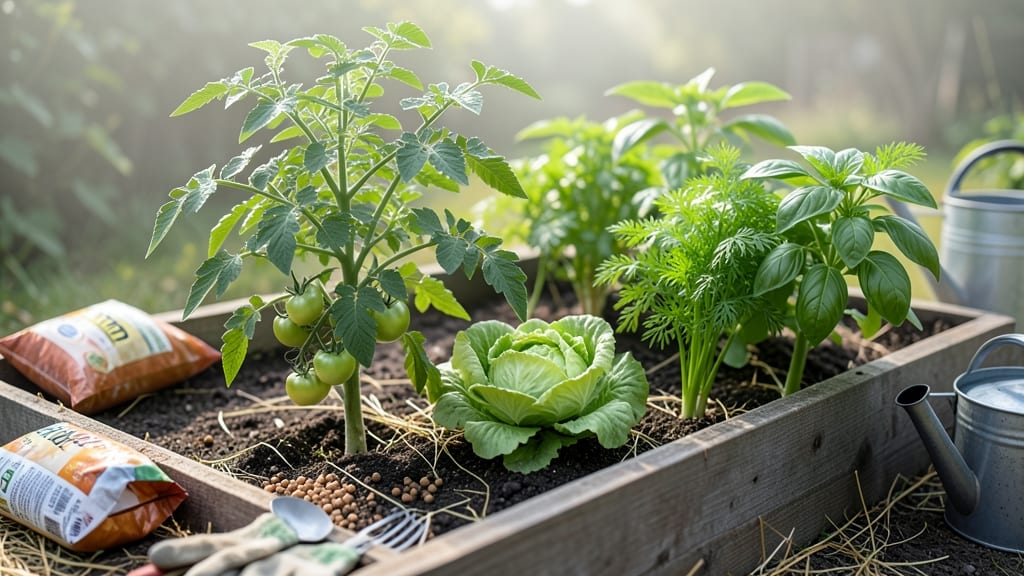
You should fertilize your garden at two key times: once in early spring before planting and again mid-season when plants are actively growing.
Timing your garden fertilization wrong can mean wasted money—or worse, stunted plants. But knowing exactly when to feed your soil (spring pre-planting vs. mid-growth) is the difference between a thriving harvest and a disappointing one.
In USDA Zone 6a, like many general garden areas, the best window is right after the last frost—around mid-April—when soil temperatures hit 60°F. This jump-starts root development before seedlings even go in the ground.
Later in the season, a second feed—around late June or early July—gives fruiting plants like tomatoes and peppers the boost they need. I’ll break down the exact schedule for vegetables, flowers, and lawns so you never over- or under-feed again.
Spring pre-planting fertilization: the foundation for strong plant growth
Spring is the perfect time to prepare your garden for a bountiful season, and pre-planting fertilization is where it all begins. This critical step ensures your plants start with the nutrients they need to develop strong roots and vigorous growth.
Skipping this step can leave your garden struggling, even with the best seeds or transplants. The key is understanding when and how to fertilize before planting—typically 4-6 weeks ahead—to give your soil time to absorb and distribute nutrients.
Before reaching for that fertilizer bag, I always recommend soil testing to identify deficiencies. A simple home test kit or professional lab analysis reveals your soil’s pH and nutrient levels, helping you choose the right fertilizer.
For example, if your soil is acidic, you might need lime or sulfur to balance it before adding nutrients. This step saves money and prevents over-fertilizing, which can harm plants. Think of it as giving your garden a nutritional checkup before the growing season begins.
Organic vs. synthetic fertilizers is another critical decision. Organic options like compost, manure, or bone meal release nutrients slowly, improving soil health over time. Synthetic fertilizers, on the other hand, provide quick, concentrated nutrients but can disrupt soil microbes if overused. For spring pre-planting, I often mix both: a balanced organic fertilizer (10-10-10 NPK) for general nutrition and compost to boost microbial activity. This combo sets the stage for robust root development.
The 4-6 week window before planting is ideal for applying pre-planting fertilizer. This timing allows nutrients to integrate into the soil while giving roots time to establish before transplanting or direct sowing. For seed-starting indoors, use a nitrogen-rich feed (like fish emulsion or a 20-20-20 synthetic) to encourage leafy growth.
Outdoors, work fertilizer into the top 6 inches of soil during tilling or use a broadcast spreader for even coverage. Avoid applying fertilizer too close to planting day—it can burn tender roots.
| Task | Timing | Fertilizer Type | Notes |
|---|---|---|---|
| Soil Test | Early Spring (Feb-Mar) | None | Use kit or lab test for pH/nutrients |
| Apply Organic Matter | 4-6 Weeks Before Planting | Compost, Manure | Work into top 6 inches of soil |
| Pre-Plant Fertilizer | 4-6 Weeks Before Planting | Balanced (10-10-10) or N-rich | For root development and seed-starting |
| Seed-Starting Feed | At Sowing + 2-3 Weeks Later | Fish Emulsion (5-5-5) | Encourages leafy growth |
| Transplant Prep | 1 Week Before Transplanting | Slow-Release Granules | Mix into planting holes |
For vegetables and herbs, focus on nitrogen-heavy fertilizers in early spring to promote lush foliage. Leafy greens like spinach and kale thrive with a higher nitrogen ratio (e.g., 20-10-10), while root crops (carrots, beets) benefit from a balanced feed.
Flowers, however, need phosphorus for blooming—so save a phosphorus-rich fertilizer (e.g., 5-10-10) for later in the season. Always follow package instructions for application rates, as overdoing it can lead to nutrient burn or environmental runoff.
Regional differences matter too! In warmer climates (Zones 8-10), you can fertilize as early as February, while cooler zones (3-6) may wait until April after the last frost. Pay attention to soil temperature—it should be at least 50°F (10°C) for microbes to break down organic fertilizers.
If your soil feels cold or damp, delay fertilization until conditions improve. Pro tip: Use a soil thermometer to check—it’s a game-changer for timing!
Don’t forget about mulching after fertilization. A 2-3 inch layer of straw or wood chips locks in moisture and regulates soil temperature, helping nutrients stay accessible. Mulch also suppresses weeds, reducing competition for nutrients.
I like to apply mulch right after fertilizing and watering to create an ideal environment for root growth. This simple step can double your success rate, especially for young seedlings.
Finally, keep a fertilization journal to track what works in your garden. Note the types of fertilizers you use, application rates, and plant responses. Over time, you’ll notice patterns—like which fertilizers boost tomato yields or which ones cause leaf scorch.
For example, I learned that my tomatoes thrive with a side-dressing of compost every 3 weeks, while my roses need a phosphorus kick in early summer. Adjust your approach each year based on your observations.
By mastering spring pre-planting fertilization, you’re setting your garden up for success from day one. It’s not just about throwing fertilizer on the soil—it’s about feeding your plants the right nutrients at the right time.
Start with a soil test, choose the right fertilizer, and give your garden the strong foundation it deserves. Your plants (and your harvest) will thank you! 🌱
Mid-growth fertilization: boosting blooms and fruits at the right time
Your plants might look great after spring planting, but mid-season is when they need a nutrient boost to produce blooms and fruits. This is the perfect time to switch from nitrogen-heavy feeds to balanced or phosphorus-rich fertilizers.
Yellow leaves or stunted growth? Those are your cues to act fast before your harvest suffers.
Mid-growth fertilization isn't just about throwing fertilizer on your plants—it's about targeting specific nutrient needs. For example, tomatoes and peppers need extra phosphorus for fruit development, while leafy greens benefit from a potassium boost. Understanding these differences ensures you're feeding your garden the right way.
When should you fertilize your garden during this critical stage? The answer depends on your plants' growth cycle. Here's a simple guide to help you time it perfectly:
- 🌱 Early Flowering Stage: Apply fertilizer when you see first flower buds forming (usually 4-6 weeks after planting). Use a 5-10-10 or 7-9-5 NPK ratio to encourage blooms.
- 🍅 Fruiting Vegetables: Feed tomatoes and peppers when fruits begin to set (about 6-8 weeks after planting). A slow-release organic fertilizer works best here.
- 🥬 Leafy Greens: Mid-season is ideal for a light nitrogen boost (like fish emulsion) to keep growth strong. Avoid over-fertilizing—it can cause bitter leaves.
- 🌿 Herbs (Basil, Cilantro): Fertilize when plants are half their mature size. Use a balanced liquid fertilizer every 3-4 weeks to maintain flavor and growth.
- 🌸 Flowering Plants: Apply a phosphorus-rich feed (like bone meal) when buds appear. This promotes vibrant blooms and longer vase life.
Choosing between slow-release and liquid fertilizers can feel overwhelming, but here's the rule: Slow-release (like organic pellets) is ideal for long-term feeding, while liquid fertilizers (like seaweed extract) give plants an immediate nutrient boost.
For mid-growth, I recommend alternating between both—apply slow-release granules in early summer, then top up with liquid feeds every 2-3 weeks.
Don't forget to water deeply after fertilizing to help nutrients reach the roots. Early morning is the best time to apply feeds, as it reduces the risk of leaf burn from afternoon sun. Avoid fertilizing in extreme heat or drought conditions—plants under stress can't absorb nutrients efficiently.
For a seasonal calendar, mark these key dates: June (early flowering), July (peak fruiting), and August (second bloom cycle). These are your prime fertilization windows. By the time fall arrives, your plants will be well-fed and ready to transition into dormancy.