
Picking
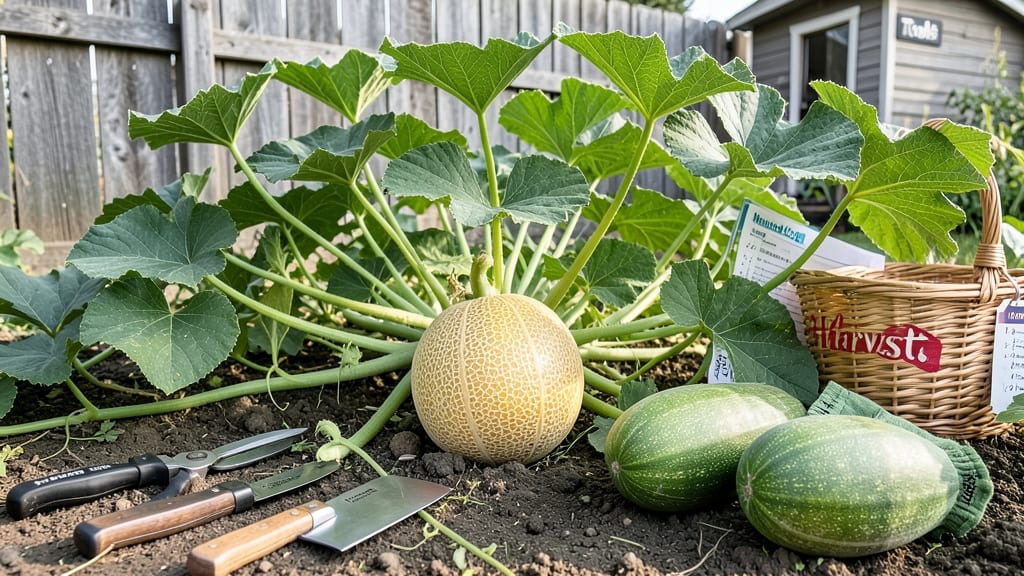
Harvesting cantaloupe from your garden at the right time means the difference between a sweet, juicy reward and a mealy disappointment—here’s how to know when your 🍈 is finally ready.
Picking too early means tough, bland melons, while waiting too long turns them into overripe mush.
The key is catching that perfect window when the fruit slips free with a gentle twist, the rind turns from green to cream, and the stem end releases a sweet, musky scent that hits you like a summer breeze.
In USDA Zone 6a, that window typically opens in July—about 60-90 days after planting—but climate and variety play a role.
Below, I’ll walk you through the three foolproof signs that your cantaloupe is begging to be picked, plus how to avoid the most common mistakes that ruin the harvest.
You’ll learn how to test ripeness beyond just color, why the "thump test" works (and when it doesn’t), and how to handle those melons once they’re off the vine for maximum shelf life. No more guesswork—just sweet, perfect cantaloupes every time.


3 Visual and physical signs your cantaloupe is harvest-ready
Harvesting cantaloupe at the perfect moment transforms your garden labor into sweet, juicy rewards. Unlike store-bought melons picked green for shipping, homegrown cantaloupe reaches peak flavor when fully ripe on the vine.
The key lies in three unmistakable signs that tell you it's time to harvest. Ignoring these cues means risking bland, fibrous fruit that never develops its signature sweetness.
First-time cantaloupe growers often struggle with timing—overripe melons turn mushy while underripe ones stay hard and tasteless. The good news? Nature provides clear signals if you know what to look for. From color shifts to scent changes, your cantaloupe will practically tell you when it's ready.
Let's break down these three essential indicators so you can harvest at the ideal moment for maximum flavor.
Here's what to watch for when inspecting your cantaloupe plants:
- 1 Vine Separation: The fruit should slip easily from the vine when you gently twist it. A ripe cantaloupe will detach cleanly with just a slight pressure—no forcing needed. If the fruit resists, it's not ready yet.
- 2 Color Changes: Look for a cream or tan-colored underside where the melon rested on the ground. The net pattern should be well-defined, and the blossom end (opposite the stem) should turn from white to yellow-brown. Avoid harvesting if the rind is still mostly green.
- 3 Scent Test: The most reliable indicator! A ripe cantaloupe emits a powerful sweet aroma at the stem end. Hold it near your nose—if it smells strongly sweet (like honeydew mixed with musk melon), it's ready. No scent? It's not ripe enough.
Don't rely on size alone—some cantaloupes stay small but pack incredible flavor, while others grow large but remain bland. The combination of these three signs guarantees ripeness. For example, I once harvested a cantaloupe that met all color requirements but lacked the sweet scent—it turned out to be mealy inside.
Always verify with the scent test before cutting.
Timing matters too. In USDA Zone 6a (like my garden), cantaloupes typically ripen between mid-July and August, but heatwaves can accelerate ripening. Check your melons every 2-3 days during peak season. Morning harvests work best because the fruit is cooler and less likely to bruise when transported.
Pro tip: Use a sharp knife to cut the stem about 1 inch above the melon. This prevents the fruit from absorbing soil bacteria through the stem end. After harvesting, let cantaloupes ripen at room temperature for 2-3 days—they'll develop even more sweetness before storage.
What if your cantaloupe meets two signs but not all three? For example, the vine separates easily but lacks scent? Wait 1-2 more days before deciding. Patience pays off—overripe cantaloupes become mushy and lose their vibrant flavor, while underripe ones remain tough and unsweet.
Remember that climate affects ripening. In hotter zones (like Zone 8+), cantaloupes may ripen faster, while cooler areas might need extra time. If you're unsure, perform the gentle thumb pressure test: Press near the blossom end—if it yields slightly, it's likely ripe. No give? Wait another day.
Once you master these signs, you'll never buy bland store-bought cantaloupe again. The difference in flavor between a perfectly timed homegrown harvest and a grocery-store melon is like comparing a juicy peach to a dried apricot. Your taste buds will thank you for paying attention to nature's cues.
How to test cantaloupe ripeness beyond the basics: the underused tricks
Store-bought cantaloupes often miss their peak ripeness because they’re picked early for shipping. But homegrown melons? That’s where the magic happens. I’ve learned that three advanced tests reveal when cantaloupes are truly ready—tests that go far beyond just sniffing the stem end.
First, let’s talk about the blossom-end color shift. The underside of your cantaloupe (where it sat on the vine) should transition from green to cream or tan.
This change signals the fruit’s sugars have fully developed. But here’s the trick: yellow-green is still too early—wait for that creamy hue before harvesting.
| Test Method | What to Look For | Action |
|---|---|---|
| Blossom-End Color | Cream or tan (not greenish) | Harvest in 1-2 days |
| Thump Test | Dull, hollow sound when tapped | Ready to pick |
| Weight Assessment | Feels heavy for size | Check other signs |
| Stem Separation | Twists off cleanly with slight pressure | Harvest immediately |
The thump test is my favorite underused trick. Give your cantaloupe a gentle tap with your knuckles—if it sounds dull and hollow, it’s ripe. A sharp, high-pitched ping? Still too firm. This test works because ripe cantaloupes have softened internal tissues that change how sound travels through the fruit.
Don’t overlook weight assessment. A ripe cantaloupe should feel surprisingly heavy for its size. Lift one that’s ready—it’ll feel dense, almost like it’s packed with juice. Compare it to an unripe one, which will feel lighter and hollow when you pick it up.
Finally, the stem separation test is foolproof. Gently twist the stem end—if it snaps off cleanly with just a little resistance, your melon is perfect. No resistance?
Wait a day or two. Too much resistance? It’s not ready yet. This test tells you the fruit has fully detached from the vine’s nutrients.
Homegrown cantaloupes ripened on the vine always taste sweeter and more complex than store-bought because they’re picked at peak maturity. Use these tricks, and you’ll never settle for anything less than that perfectly sweet, juicy burst again. 🍈