
Picking
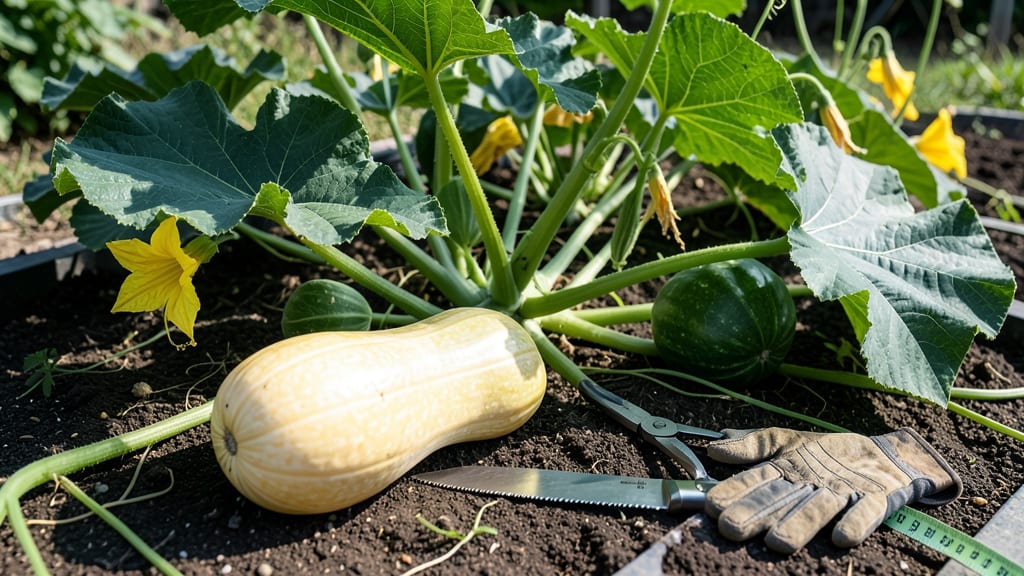
To pick spaghetti squash from your garden at the perfect time means tender, noodle-like strands instead of tough, stringy disappointment.
Harvesting too early gives you bitter, underdeveloped flesh, while waiting too long turns it woody and inedible. The key is reading three telltale signs: skin color, stem condition, and fruit weight.
In USDA Zone 6a, your spaghetti squash 🎃 typically matures between 85-100 days after planting, usually landing in late summer or early fall.
But don’t rely on days alone—watch for the stem to dry and turn brown, the skin to dull yellow, and the fruit to feel heavy for its size.
Below, I’ll walk you through exactly what to look for, how to test for doneness without damaging the squash, and what to do if your season runs long or short. You’ll leave here knowing exactly when to pick for that perfect, restaurant-quality texture.
3 Visual signs your spaghetti squash is ready for harvest
Spaghetti squash is a patient gardener’s reward—when harvested at the right moment, it transforms into tender, noodle-like strands perfect for your table. But miss the window, and you’ll end up with tough, stringy flesh that’s nearly inedible.
The key is learning to read your plant’s visual cues before the first frost arrives.
Unlike some squash varieties that rely on size alone, spaghetti squash signals readiness through subtle but unmistakable changes in color, texture, and even weight. These signs don’t require fancy tools—just your eyes and hands. Mastering them means consistent harvests with restaurant-quality results every time.
-
1. Skin Turns Dull Yellow
Look for a matte, yellow-orange hue—no longer shiny or green. Press your fingernail into the rind; it should feel hard and dry, not soft or springy. -
2. Stem Dries and Turns Brown
The stem should shrink and darken to a papery brown. If it’s still green or moist, the squash needs more time. A dry stem means nutrients have stopped flowing to the fruit. -
3. Fruit Feels Heavy for Its Size
Lift the squash—ripe ones are surprisingly heavy compared to their size. This indicates full water and sugar development. If it feels lightweight, it’s still maturing.
Don’t rely on size alone—some spaghetti squash varieties stay small even when ripe, while others grow larger but remain underdeveloped. The dull yellow skin is your first clue, but always pair it with the other two signs for 100% accuracy.
Pro tip: Check squash in the morning after dew has dried—this gives you the clearest view of color changes.
If you’re growing in a hot climate, watch for these signs earlier (as early as 75 days after planting), since heat can accelerate ripening. In cooler regions, wait until all three cues align, even if it means harvesting closer to frost.
A light frost can actually improve flavor, but a hard freeze will ruin the squash.
Once you’ve confirmed ripeness, use a sharp knife or pruners to cut the squash from the vine, leaving a 1-inch stem attachment. This prevents bruising and extends shelf life.
Store harvested squash in a cool, dry place (50–55°F) where it’ll keep for 1–2 months—long after most garden veggies have faded.
For the ultimate tenderness test, tap the squash gently with your knuckles. A ripe one will sound hollow and deep, like knocking on a wooden door. An immature squash will have a dull, thud-like echo.
This trick works even in low light, making it perfect for early morning or overcast days when color cues are harder to judge.
Remember: Overripe spaghetti squash develops a woody texture and bitter taste, while underripe squash has tight, rubbery strands. By mastering these three visual signs, you’ll never guess again—just harvest with confidence and enjoy that perfect al dente texture every time.
🎃
Spaghetti squash harvest timeline: days to maturity and seasonal tips
Understanding the spaghetti squash harvest timeline helps you plan for that perfect noodle-like texture instead of tough, unpalatable flesh. Most varieties reach maturity in 75 to 100 days from planting, but this can shift based on climate and variety.
Knowing these factors ensures you harvest at the ideal time for flavor and tenderness.
In USDA Zone 6a (like much of the Midwest), spaghetti squash typically matures between late August and early October. However, in warmer climates (Zones 8-10), you might harvest as early as July, while cooler regions may extend the timeline to October or November.
Adjusting for your local frost dates is key—spaghetti squash won’t ripen further after harvest.
Variety selection also impacts timing. Early-maturing types like 'Golden Spaghetti' can be ready in 85 days, while heirloom varieties like 'Turkish Spaghetti' may take up to 120 days. Always check seed packets for days-to-maturity estimates and adjust your planting schedule accordingly.
| Stage | Days After Planting | Seasonal Adjustments | Harvest Tip |
|---|---|---|---|
| Germination | 7-14 | Plant after last frost | Keep soil warm |
| Flowering | 30-45 | Full sun required | Hand-pollinate if needed |
| Early Fruit Development | 50-60 | Water deeply weekly | Watch for pests |
| Maturity (Harvest Ready) | 75-100+ | Adjust for climate | Pick before frost |
| Post-Frost (If Needed) | 100-120 | Extend season with row covers | Harvest before hard freeze |
For gardeners in short-season climates, opt for fast-maturing varieties or start seeds indoors 4-6 weeks before the last frost date. In longer growing seasons, you can even plant a fall crop after summer harvests. Just ensure you have at least 75 days of warm weather remaining.
If you’re unsure whether your squash is ready, use the thumb test: Press a fingernail into the skin. If it doesn’t puncture easily, it’s not ripe yet. Once the skin yields slightly and the stem turns brown, it’s time to harvest.
This usually aligns with 75-100 days after planting, but always prioritize visual cues over calendar dates.
After harvesting, store spaghetti squash in a cool, dry place for up to 3 months. For longer storage, cure them in the sun for a few hours before bringing indoors. With the right timing, you’ll enjoy perfectly tender strands every season—no tough surprises!