
Planting
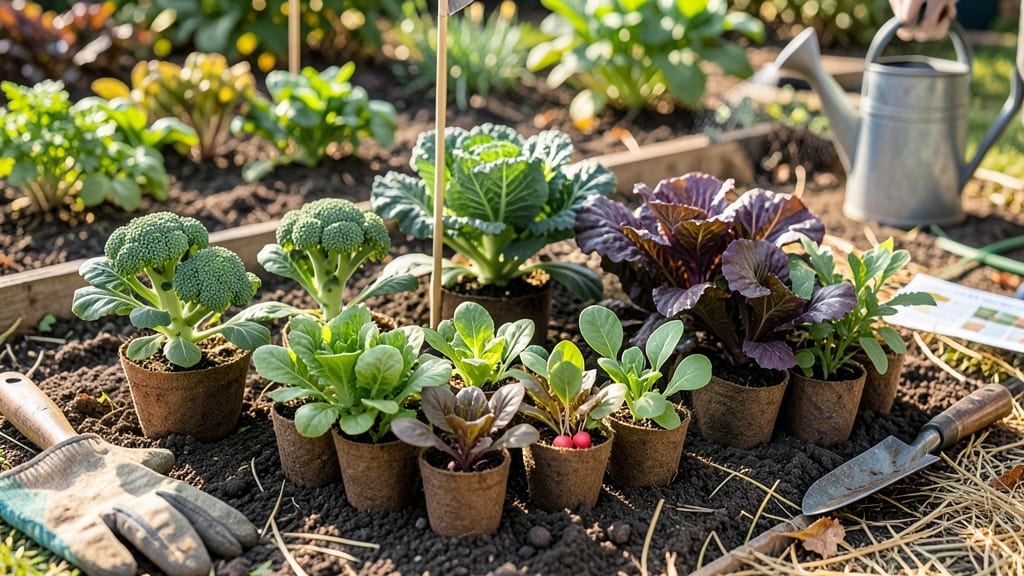
To plant a fall garden in Texas, aim for August through October—but the exact timing depends on your hardiness zone, since 8a-10b regions have wildly different heat and frost patterns.
Texas gardeners know timing is everything—plant too early, and your fall crops will bolt in the heat; too late, and frost will ruin your harvest. But with Texas’ unique climate zones, the perfect planting window varies dramatically from the Panhandle to the Rio Grande Valley.
In North Texas (8a-9a), where first frost hits by mid-December, you’ve got a 6-8 week window to get cool-season crops like kale and carrots 🌱 in the ground before the chill sets in. Meanwhile, South Texas (10a-10b) can stretch planting into November, thanks to milder winters.
Below, I’ll break down the zone-specific heat tolerance chart you need to avoid common mistakes, plus the 3 heat-smart crops that thrive in Texas’ lingering summer heat—so you can plan with confidence.
Texas fall planting calendar by hardiness Zone (with heat tolerance limits)
Texas gardeners know timing is everything—plant too early, and your fall crops will bolt in the lingering summer heat. Too late, and first frost will ruin your harvest. The key? Understanding your USDA hardiness zone and heat tolerance thresholds for each crop.
In Zone 8a (North Texas), you’ve got more time than Zone 11 (Rio Grande Valley), where fall planting stretches into November.
Your last frost dates vary wildly—November 15 in Zone 9a vs. December 15 in Zone 10a. But heat tolerance is the real game-changer. For example, kale and broccoli seeds struggle to germinate above 85°F, while carrots and radishes can handle 90°F soil temps.
Below, we break down the optimal planting windows by zone, including heat tolerance limits for seed germination and transplant survival.
In Zone 8a, where summers linger hotter longer, aim to plant cool-season crops by mid-September. Soil temps above 85°F will delay germination for leafy greens, so use shade cloth or wait for cooler evenings.
Meanwhile, in Zone 11, you can push planting into early December—just choose heat-tolerant varieties like Malabar spinach or black-eyed peas.
Pro tip: Transplant shock is worse in residual heat. For broccoli and cauliflower, start seeds indoors in late July (Zones 8a–9a) to harden off before early September planting. In Zones 10a–11, direct-sow radishes and turnips in September for a harvest before December frost.
Watch for soil temperature spikes—use a soil thermometer to confirm conditions. Most cool-season seeds need soil temps below 80°F for reliable germination. If your soil hits 90°F, switch to transplants or use row covers to cool the soil. In Zone 9b, for example, <
Best fall vegetables for Texas heat (and how to extend their season)
Texas’ fall season is a gardener’s sweet spot—warm days give way to cooler nights, but the heat lingers just long enough to challenge traditional cool-season crops. The key to success? Choosing heat-tolerant vegetables that thrive in 85°F+ temperatures while still setting you up for a long harvest window before frost.
My top picks push the limits of what Texas soil can deliver, even in Zone 9a to 10b.
Don’t let residual summer heat fool you—succession planting and shade strategies can extend harvests well into December. For example, collard greens and kale can handle light frosts but need protection from midday sun in September.
Meanwhile, black-eyed peas and sweet potatoes love the heat and reward you with harvests even as temperatures dip.
3 Heat-Smart Crops Every Texas Gardener Should Try
- Malabar Spinach – Thrives in 90°F+ heat and produces edible shoots year-round with minimal care. Plant in late August for harvests through winter.
- Black-Eyed Peas – Heat-loving legumes that fix nitrogen in soil. Sow June–July for fall harvests; varieties like Purple Hull tolerate 100°F+ with ease.
- Collard Greens – Sweeter after light frosts but handle 85°F+ with 30% shade cloth. Start seeds in September for harvests through December.
To stretch your harvest season, focus on soil amendments like composted manure or aged chicken litter to boost nutrient density. These amendments improve heat retention and water retention, which is critical when temperatures hover around 80°F in October.
I’ve also found that mulching with straw keeps roots cool and conserves moisture—essential for crops like turnips and radishes that bolt quickly in residual heat.
For succession planting, stagger seeds every 2–3 weeks starting in early September. For example, sow bush beans in late August, then follow with carrots and spinach in mid-September. This ensures a continuous harvest as some crops mature faster in cooler fall air.
Pair this with drip irrigation to avoid wetting foliage, which reduces fungal diseases like powdery mildew—a common issue in Texas’ humid fall mornings.
Pro tip: Use row covers or shade cloth (30–50%) over heat-sensitive crops like lettuce or cabbage during peak afternoon sun. This simple trick can lower soil temps by 10–15°F, preventing bolting. I’ve extended romaine lettuce harvests by 3–4 weeks using this method in Zone 9b.
Remember, Texas’ first frost dates vary wildly—from mid-November in the Panhandle to mid-December in South Texas. Plan accordingly by checking your local Cooperative Extension Service for precise dates.
With the right crops and a few smart adjustments, you can enjoy fresh harvests well into the holiday season—without the stress of heat or frost ruining your hard work. 🌱