
Planting
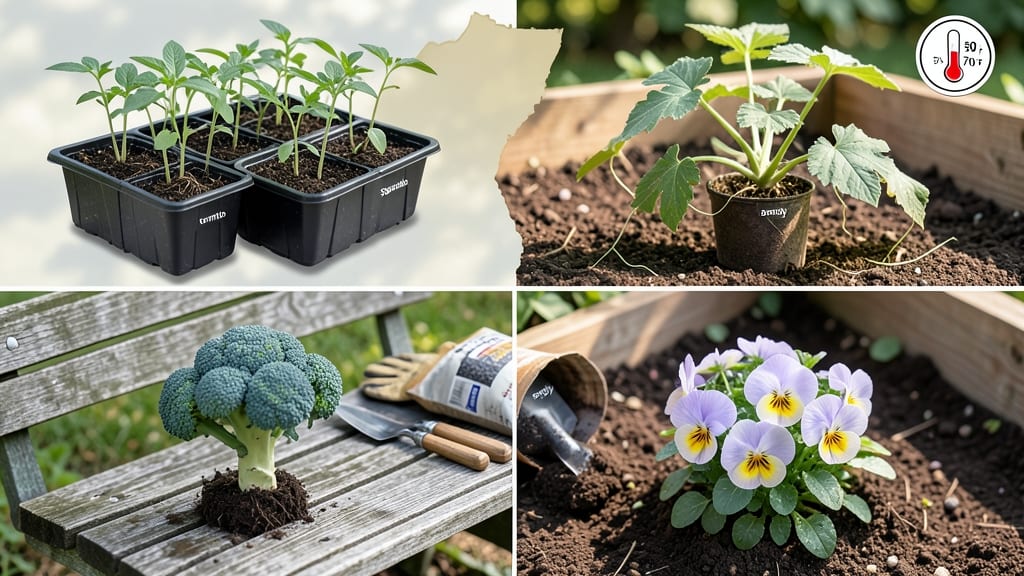
Planting a garden in Alabama at the right time means the difference between a bountiful harvest and a sad, wilted mess—especially when you’re dealing with the state’s variable frost dates and long, humid summers.
Alabama’s warm climate and long growing season make it a gardener’s paradise—but planting at the wrong time can mean wilted dreams instead of thriving harvests. Whether you’re in North Alabama’s cooler hills or South Alabama’s steamy coastal plains, timing is everything.
In this guide, I’ll break down the exact month-by-month planting windows for Alabama’s most popular vegetables, flowers, and perennials, so you can avoid the common mistakes that leave gardeners scratching their heads come summer.
You’ll learn when to start seeds indoors, how to prep your soil for Alabama’s heat, and which crops thrive in early spring versus those that need the long, hot days of summer—plus how to extend your growing season for a fall harvest.
Alabama’s frost-free dates by month: the perfect planting timeline
Alabama’s diverse climate creates three distinct gardening zones—North, Central, and South—each with unique frost-free dates that dictate planting success. Understanding these month-by-month windows helps you avoid frost damage while maximizing your garden’s potential.
Whether you’re in Huntsville’s cooler hills or Mobile’s humid coast, timing matters for everything from cool-season greens to heat-loving tomatoes.
North Alabama (USDA Zones 7a-7b) typically sees its last frost around March 15, while South Alabama (Zones 8a-8b) often stays frost-free until late January. Central Alabama (Zones 7b-8a) falls in between with mid-to-late March averages.
These dates shift yearly, so always check local weather forecasts before planting tender crops like peppers or eggplants, which can’t tolerate even light frost.
Here’s your month-by-month planting timeline for Alabama’s three regions, including when to start cool-season crops and warm-season staples for a year-round harvest. Use this as your guide to avoid common mistakes like planting tomatoes too early or lettuce too late in the season.
| Region | Last Frost Date | Cool-Season Plants (Start Indoors) | Cool-Season Plants (Direct Sow) | Warm-Season Plants (After Frost) |
|---|---|---|---|---|
| North AL (Huntsville) | March 15 | Feb 1 (spinach, kale) | March 20 (lettuce, peas) | April 15 (tomatoes, peppers) |
| Central AL (Birmingham) | March 22 | Jan 15 (broccoli, cabbage) | March 1 (radishes, carrots) | April 1 (okra, sweet potatoes) |
| South AL (Mobile) | Jan 31 | Dec 1 (collards, turnips) | Feb 15 (green beans, cucumbers) | March 1 (eggplants, basil) |
In North Alabama, where frost lingers longer, focus on cool-season crops like broccoli and cabbage in early spring.
Start seeds indoors by February 1 for a head start, then transplant after your March 15 average last frost date. Warm-season plants like tomatoes and peppers should wait until mid-April when soil temperatures consistently stay above 60°F.
Central Alabama’s Birmingham area enjoys a longer growing season, allowing for two full harvests of many crops. Begin cool-season planting as early as January 15 for hardy greens, then shift to warm-season staples by April 1.
This region can even support fall planting of crops like kale and radishes in September for winter harvests.
South Alabama’s Mobile and Gulf Coast regions are the most forgiving, with year-round gardening possible for heat-tolerant crops. Start cool-season plants as early as December 1, and transition to warm-season crops by March 1.
Take advantage of the extended season by planting successive crops every 2-3 weeks for continuous harvests.
For container gardening in urban areas, adjust these dates slightly—containers warm up faster in spring, so you can plant warm-season crops 1-2 weeks earlier than in-ground gardens.
Just ensure containers have adequate drainage to prevent root rot during Alabama’s humid summers. Use black plastic mulch to warm soil faster in early spring if needed.
Don’t forget about fall planting, which is just as critical as spring. In North Alabama, aim for late July to early August for cool-season crops, while South Alabama can extend this window until mid-September. This second planting
Best vegetables to plant in Alabama by season (and when to avoid them)
Alabama’s diverse climate—from North Alabama’s cooler hills to South Alabama’s humid lowlands—means your planting schedule should adapt to both USDA zones 7a-8b and seasonal shifts. Cool-season crops thrive in early spring and fall, while heat-loving vegetables like okra and sweet potatoes shine in summer.
But timing is everything: plant too early, and frost will kill tender seedlings; plant too late, and pests or disease will take over.
I’ve grown gardens across Alabama for over a decade, and I’ve learned the hard way which crops to prioritize each month. For example, broccoli and cabbage demand cool weather, while tomatoes and peppers beg for summer’s warmth.
The key is knowing when to start seeds indoors, when to direct-sow outdoors, and which months to skip entirely for certain vegetables.
- February-March: Start cool-season crops indoors (broccoli, cabbage) or plant hardy greens (spinach, kale) outdoors after last frost risk passes in South Alabama.
- April: Direct-sow carrots, radishes, and peas; transplant onions and lettuce. Skip tomatoes and peppers—they’ll bolt in early heat.
- May-June: Plant heat-lovers like okra, sweet potatoes, and southern peas. Start tomatoes and peppers after soil warms to 65°F+.
- July-August: Avoid planting cool crops—focus on succession planting for beans, cucumbers, and squash. Mulch heavily to retain moisture.
- September-October: Replant cool-season crops (broccoli, Brussels sprouts) for a fall harvest. Skip warm-season crops like peppers.
- November: Plant garlic and cover crops (clover, rye) to protect soil. Avoid any direct-sown vegetables.
North Alabama gardeners (think Huntsville or Birmingham) should push cool-season planting back by 2-3 weeks compared to South Alabama (Mobile or Montgomery). For instance, I’ve seen cabbage thrive when planted in late February in Mobile, but it’ll crisp in a March frost in Huntsville.
Always check your local Alabama Cooperative Extension frost dates—last frost in North Alabama averages mid-April, while South Alabama’s is often mid-March.
One crop I always avoid during Alabama’s peak summer months (June-August) is lettuce. The heat causes it to bolt (go to seed) in weeks, turning bitter. Instead, I opt for heat-tolerant greens like Swiss chard or malabar spinach, which handle the humidity better.
Similarly, peas are a spring/fall crop only—plant them in summer’s 90°F+ heat, and you’ll get zero yield.
For container gardening in urban areas, focus on compact varieties like bush beans, cherry tomatoes, and dwarf okra. These thrive in pots and let you adjust planting times more flexibly.
Just remember: containers dry out faster in Alabama’s heat, so water daily in summer and use self-watering setups if you travel often.
Pro tip: Mark your calendar for Alabama’s average first frost dates—typically mid-November in North Alabama and late November in South Alabama. This helps you time your fall planting perfectly for a harvest before winter sets in.
And if you’re new to gardening here, start small: one 4x8-foot bed of tomatoes, peppers, and greens will teach you the ropes without overwhelming you.