
Planting
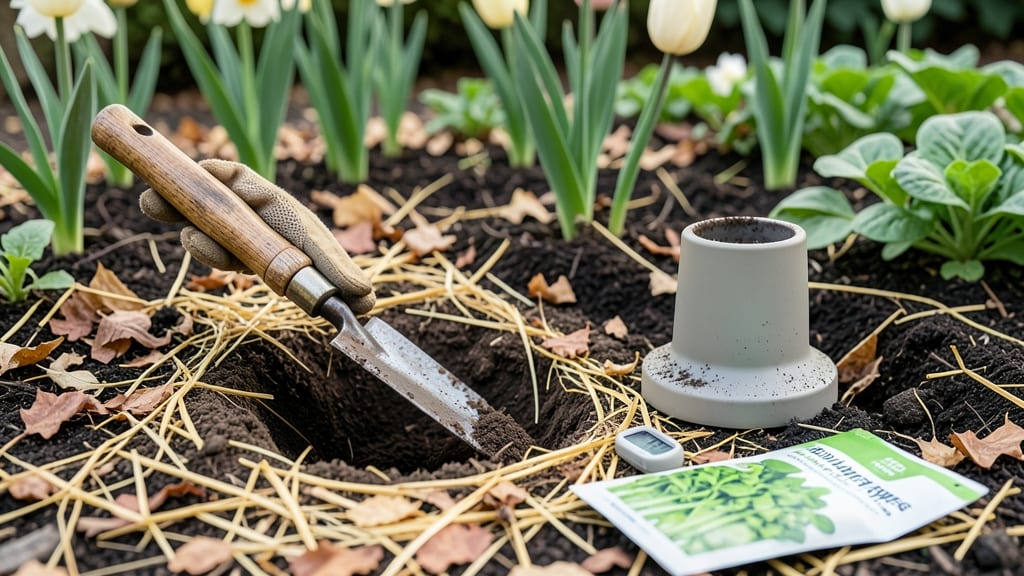
Planting a garden in New Brunswick after the last frost is the key to unlocking a bountiful harvest—wait too long, and summer’s short growing season will leave you scrambling.
Timing your garden planting in New Brunswick can mean the difference between a thriving harvest and a wasted season—get it wrong, and frost will ruin your hard work before you even break ground.
With 165 frost-free days in Zone 5b, every week counts, especially for heat-loving crops like tomatoes and peppers.
Most General Garden Plants 🌱 thrive when soil temperatures hit 50°F (10°C), usually by mid-May, but coastal areas like Saint John warm up faster than inland Fredericton. I’ll break down the exact dates for your region, plus the best cold-hardy starts to get a jump on the season.
From succession planting to frost protection tricks, you’ll learn how to stretch your growing window and avoid the 3 most common mistakes New Brunswick gardeners make—mistakes that cost them half their yield.
New Brunswick frost-free dates by hardiness Zone (2024 guide)
Getting your garden timing right in New Brunswick means knowing exactly when to plant based on your hardiness zone and local frost patterns. The province spans Zone 4b (Fredericton) to Zone 5b (Moncton), with coastal areas like Saint John enjoying slightly warmer microclimates.
Understanding these last frost dates helps you avoid killing tender seedlings with late spring freezes or missing out on fall harvests.
For most New Brunswick gardeners, the average last frost date falls between May 10-20, but this can shift by weeks depending on elevation and proximity to the coast.
Inland areas like Fredericton often experience frost 2-3 weeks later than coastal regions due to the moderating influence of the Gulf of St. Lawrence. I’ve tracked these patterns for years, and the differences can mean the difference between a thriving garden and a wasted season.
Key takeaway: Coastal areas (Zone 5a/b) can plant 1-2 weeks earlier than inland zones (Zone 4b). Always verify with local weather forecasts in late April, as sudden cold snaps can still occur.
| Location & Zone | Avg Last Frost | Avg First Frost | Frost-Free Days | Microclimate Notes |
|---|---|---|---|---|
| Fredericton (Zone 4b) | May 15-25 | October 5-15 | 140-150 days | Inland valley; colder nights. Plant peas and spinach in early April under row covers. |
| Saint John (Zone 5a) | May 5-15 | October 10-20 | 155-165 days | Coastal moderation; warmer springs. Tomatoes and peppers can start earlier. |
| Moncton (Zone 5b) | May 1-10 | October 15-25 | 160-170 days | Longest season; cucumbers and squash thrive with early starts. |
If you’re gardening in Fredericton (Zone 4b), aim to have warm-season crops like tomatoes and peppers planted by June 1 to ensure they mature before the first frost in mid-October.
In Moncton (Zone 5b), you can push the envelope slightly—try planting bush beans as early as May 15 and zucchini by May 25 for a longer harvest window.
For coastal areas like Saint John, the Gulf of St. Lawrence creates a microclimate advantage. I’ve seen gardeners there successfully plant cabbage and carrots by April 15 under frost cloth, thanks to warmer soil temperatures near the water.
However, don’t get overconfident—late April can still bring unpredictable frosts, especially in sheltered valleys.
To adjust for your specific location, check the Environment Canada historical frost maps or use a local weather station like the one at the Fredericton Airport. I always set up a minimum-maximum thermometer in my garden to track real-time conditions.
This helps me decide whether to harden off seedlings or delay planting until the soil warms to 50°F (10°C).
Pro tip: Use succession planting to maximize your short growing season. For example, plant radishes (ready in 30 days) in early May, then follow with lettuce (60 days) and kale (70 days) to stretch your harvest into early fall.
This works especially well in Zone 5b areas where the season is longer.
Remember, these dates are averages. In 2023, Fredericton saw frost as late as June 5, while Saint John had an early frost on September 20. Always have row covers or a cold frame on hand to protect tender plants if the weather forecast turns chilly.
For perennial plants like asparagus or rhubarb, you can plant in early spring (March-April) as soon as the ground is workable. These cold-hardy crops can handle light frosts and even benefit from a cool start to prevent bolting. Just avoid planting warm-season perennials like lavender until after the last frost.
Start planning now! Mark your calendar for May 1-15 as your primary planting window in most of New Brunswick, and keep an eye on those weather alerts. With the right timing, you’ll be enjoying homegrown tomatoes in July and pumpkins in October—just in time for fall festivals! 🌱
Best vegetables to plant in New Brunswick by season (cool vs. warm climate crops)
New Brunswick’s cool maritime climate and short growing season (about 130–150 frost-free days) demand smart seasonal planning. Early spring brings cold-hardy crops, while late spring welcomes warm-season favorites.
Fall offers one last chance for fast-maturing varieties before frost. Knowing which veggies thrive in each season—and their ideal planting windows—maximizes your harvest potential.
For early spring planting (March–April), focus on cool-season vegetables like spinach, kale, and radishes. These tolerate light frosts and even grow under row covers if temperatures dip.
By late May to early June, after the last frost, you can safely plant tomatoes, peppers, and cucumbers, which need warm soil to germinate. Fall planting (August–September) rewards you with bush beans, lettuce, and turnips before winter sets in.
- 🌱 Early Spring (March–April): Plant cold-hardy crops like spinach, kale, and peas under row covers for protection.
- 🌿 Late Spring (May–June): Wait until soil warms to 50°F (10°C) to plant tomatoes, peppers, and cucumbers after last frost.
- ☀️ Summer (June–August): Succession plant bush beans and zucchini every 2–3 weeks for continuous harvests.
- 🍂 Fall (August–September): Choose fast-maturing varieties like radishes (30 days) and lettuce (45 days) for late harvests.
- ❄️ Frost Watch: Use row covers or cold frames to extend fall harvests by 2–4 weeks.
New Brunswick’s coastal areas (like Saint John) enjoy slightly warmer microclimates than inland regions (Fredericton), allowing for earlier spring plantings by 1–2 weeks. For example, bush beans can go in the ground by early May near the coast but wait until mid-May inland.
Always check your last frost date—Fredericton averages May 15, while Saint John is around May 1—and adjust planting times accordingly.
Pro tip: Succession planting is key in New Brunswick. Instead of planting all your lettuce or radishes at once, stagger seeds every 2 weeks from May through July. This ensures a continuous harvest and prevents glutting your kitchen.
For warm-season crops, start seeds indoors in late April and transplant after the last frost to jumpstart growth.
Don’t overlook fall planting—it’s a gardener’s secret weapon. Fast-maturing crops like bush beans (50 days) and turnips (60 days) thrive when planted in early August. Use black plastic mulch to warm the soil and row covers to shield tender plants from early frosts.
With the right timing, you can harvest greens well into October.
For best results, pair your planting schedule with soil prep. Amend beds with compost in early spring and mulch heavily in fall to protect roots. In New Brunswick, well-drained soil is non-negotiable—especially in clay-heavy areas like Moncton.
Test your soil’s pH (aim for 6.0–7.0) and add lime or sulfur as needed before planting.