
Planting
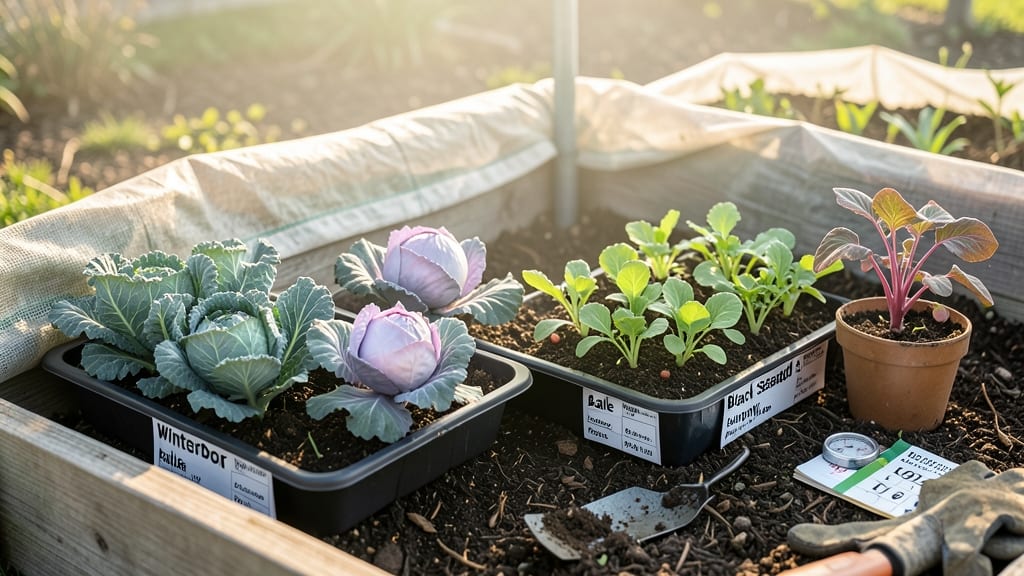
Planting a garden in North Dakota after the last frost ensures your 🌱 General Garden Plants (North Dakota) thrive in the short 120-150 frost-free days you get each year.
North Dakota’s unpredictable climate can make or break your garden—planting too early risks frost damage, while waiting too long shortens your growing season. Mastering the last frost dates by county ensures your seeds sprout when the soil is warm and the air stays reliably frost-free.
With USDA Zones 3b-5a, your planting window is tight: mid-April to early June for most vegetables, but fall crops like spinach or kale can go in as late as September. The key is knowing when to start seeds indoors versus direct-sowing outdoors.
Below, I break down the exact frost dates by region, how to adjust for microclimates, and the best crops for North Dakota’s short season—so you can grow a bountiful garden without the guesswork.
North Dakota last frost dates by county: your planting timeline
North Dakota’s growing season is short but sweet—knowing your last frost dates by county is the key to avoiding frozen seedlings and maximizing your harvest. While the state averages 120-150 frost-free days, timing varies dramatically between regions like Grand Forks (warmer) and Dickinson (cooler).
Use these county-specific deadlines to plan when to plant tomatoes, peppers, lettuce, and other crops for success.
Most North Dakota gardeners follow the 10-day rule: wait until 10 days after the average last frost to plant frost-sensitive crops like basil, cucumbers, or eggplants.
Cool-season crops (e.g., spinach, peas, kale) can often handle a light frost, so they can go in 2-4 weeks before your last frost date. Always check soil temperature (aim for 50°F+)—cold soil delays germination even if air temps are warm.
Below is your county-by-county planting timeline, including early, mid, and late planting zones. Bookmark this for quick reference when planning your spring and fall gardens!
| County | Avg. Last Spring Frost | Avg. First Fall Frost | Warm-Season Crops (Plant After) | Cool-Season Crops (Plant Before) |
|---|---|---|---|---|
| Cass County (Fargo) | May 10 | September 20 | May 20 (10-day rule) | April 15 (hardy greens) |
| Grand Forks | May 5 | September 15 | May 15 (earlier risk) | April 10 (earlier start) |
| Bismarck | May 15 | September 25 | May 25 (later frost risk) | April 20 (soil warms slower) |
| Dickinson | May 20 | September 10 | June 1 (cautious approach) | April 25 (short season) |
| Minot | May 12 | September 22 | May 22 (moderate risk) | April 18 (balanced start) |
Dates based on 30-year averages; use row covers to extend early/late seasons.
In Cass County (Fargo), the last frost typically hits around May 10, giving you a 130-day growing season. Plant warm-season crops like tomatoes and peppers after May 20 to avoid frost damage.
For cool-season crops, start spinach or lettuce in early April—they’ll tolerate light frosts and even thrive in cooler temps.
If you’re in Grand Forks, you’re one of the lucky ones with an earlier last frost (May 5 on average). This means you can plant basil or cucumbers by May 15 and enjoy a slightly longer harvest window.
However, fall frosts arrive by September 15, so plan to harvest warm-season crops by late August or use row covers to extend the season.
For gardeners in Bismarck, patience is key—your last frost often lingers until May 15. Wait until May 25 to plant peppers or eggplants, as late frosts are common.
The first fall frost hits September 25, so prioritize fast-maturing varieties or succession plant lettuce and radishes in late July for a fall harvest.
In Dickinson, the growing season is the shortest (110-120 frost-free days), with last frosts around May 20. Hold off on planting tomatoes or melons until June 1 to be safe.
Instead, focus on cool-season crops like kale or peas, which can handle the chill. Start seeds indoors in March for early transplants.
Minot’s May 12 last frost puts it in a middle ground, but its September 22 first frost means you’ll need to harvest by late August unless you use cold frames.
For fall gardens, plant broccoli or Brussels sprouts in late July—they’ll mature before frost and even sweeten with cold exposure.
Pro tip: Use row covers or cold frames to push your planting windows earlier or extend harvests later. For example, in Fargo, you can plant spinach under row covers by April 1 and peppers under covers by May 10.
Always monitor local weather forecasts—North Dakota’s climate can swing wildly from year to year!
🌱
How to adjust planting dates for North Dakota’s microclimates
North Dakota’s diverse landscapes—from the Red River Valley to the Missouri Escarpment—create unique microclimates that can shift your planting dates by weeks. Urban areas like Fargo often warm up faster than rural western North Dakota, while higher elevations near Bismarck stay colder longer.
Understanding these variations helps you avoid frost damage while maximizing your growing season.
One of my favorite tricks is the 10-day rule: Wait until 10 days after your county’s average last frost before planting frost-sensitive crops like tomatoes or peppers. This buffer accounts for late frosts and gives young plants time to establish roots.
For example, in Grand Forks, where last frost averages May 15, I plant warm-season crops around May 25.
Historical weather patterns are your best friend. For instance, western North Dakota (e.g., Minot) often sees late frosts in Juneeastern Red River Valley warms up reliably by May 10. I cross-reference NDAWN’s frost data with my local co-op extension office to fine-tune dates.
Pro tip: Plant cool-season crops like spinach or kale in early spring (March–April) or late summer (August) to avoid bolting.
Row covers and cold frames are game-changers for extending your season. A simple floating row cover can add 4–6 weeks to your spring planting window, letting you sow cucumbers or peppers as early as April 15 in Fargo.
For fall, I use low tunnels to keep lettuce or radishes growing until October 15, even when air temps drop below freezing.
Don’t overlook succession planting—it’s how I squeeze every bit of productivity out of North Dakota’s short season. After harvesting early bush beans in July, I replant with carrots or turnips, which thrive in cooler late summer temperatures. This strategy ensures a steady harvest without overcrowding your garden.
Finally, trust your instincts. If your soil feels cold or morning frost lingers, delay planting. Last year, I lost a batch of tomato seedlings in Bismarck because I rushed them—always better to wait an extra week than risk losing your entire crop to frost.
With these adjustments, you’ll turn North Dakota’s challenges into a longer, more productive growing season. 🌱