
Planting
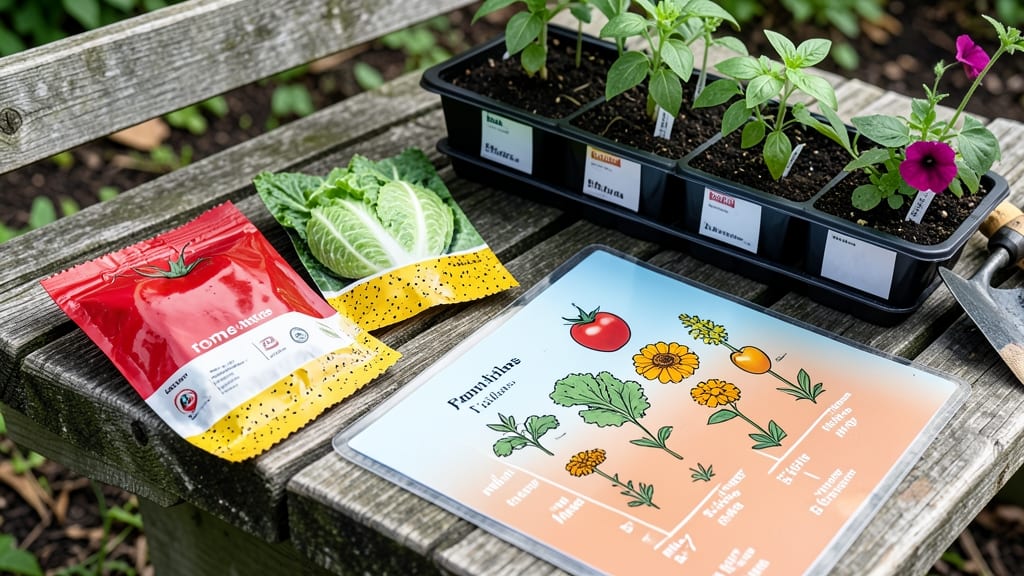
Planting a garden in Pennsylvania at the right time means the difference between a thriving harvest and wasted seeds — and your zone matters more than you think.
Pennsylvania’s climate swings from frosty Appalachian valleys to humid Pittsburgh summers, so timing isn’t one-size-fits-all. Miss the window, and your tomatoes might bolt before ripening, or your lettuce could bolt into flower too fast. Get it right, and you’ll enjoy faster growth and bigger yields.
Below, I break down the exact planting windows for USDA Zones 5-7, including when to start cool-season crops like spinach (4-6 weeks before last frost) and warm-season favorites like peppers (after soil warms to 60°F).
You’ll also learn how to stretch your season with row covers, when to avoid fall planting in Zone 5, and which plants thrive in your microclimate—whether you’re in Philadelphia’s urban heat island or the cooler mountains of the Poconos.
Pennsylvania planting zones: exact dates by hardiness Zone (5-7) for cool-season vs. warm-season crops
Pennsylvania spans USDA hardiness zones 5b through 7a, creating unique planting challenges from the cool mountain valleys to humid river cities. These zones dictate when to plant cool-season crops like spinach and warm-season crops like tomatoes, with last-frost dates varying by 2-3 weeks across the state.
For example, Erie (Zone 6a) typically sees its last spring frost by April 25, while Philadelphia (Zone 7a) averages May 10. Understanding these microclimate differences prevents wasted seeds and maximizes your garden's potential.
I’ve compiled exact planting windows for each zone, including heat-tolerance ranges for popular crops. Use these as your garden’s roadmap—whether you're sowing peas in March or transplanting peppers in June.
| Zone | Last Frost Date (Avg.) | Cool-Season Planting Window | Warm-Season Planting Window | Heat Tolerance Range (°F) |
|---|---|---|---|---|
| 5b (e.g., Scranton) | April 15 | March 15 - April 15 | May 15 - June 1 | 50-75°F |
| 6a (e.g., Harrisburg) | April 25 | March 1 - April 25 | May 1 - May 15 | 55-80°F |
| 6b (e.g., Pittsburgh) | April 30 | March 15 - May 1 | April 25 - May 20 | 60-85°F |
| 7a (e.g., Philadelphia) | May 10 | March 20 - May 10 | May 1 - May 30 | 65-90°F |
*Adjust dates 1-2 weeks earlier for urban areas (heat islands) or later for high-elevation gardens.
In Zone 5b, where winters linger longer, cool-season crops like kale and broccoli can start as early as March 15 under row covers. Meanwhile, tomatoes and peppers won’t tolerate frost, so wait until May 15—when soil temps hit 60°F—to transplant them.
For Zone 7a, where summers arrive earlier, you can push warm-season planting to April 25 for heat-loving crops like okra or sweet potatoes. However, cool-season crops planted after May 10 risk bolting—so focus on late-summer varieties like spinach for fall harvests.
Regional microclimates add another layer. Philadelphia’s urban heat island can push last-frost dates 3-5 days earlier than rural areas, while Erie’s lake-effect cooling may delay spring planting by a week. Check your local Almanac or weather station for 5-year averages—not just the current year’s data.
Pro tip: Use succession planting to stretch your season. In Zone 6a, sow lettuce every 2 weeks from March to September. This ensures a steady harvest while avoiding bolting from extreme heat or cold.
For herbs like basil, which bolt at 80°F, plant in partial shade during peak summer in Zone 7a. In cooler Zone 5b, basil thrives in full sun but must wait until after May 15 to avoid frost damage.
Always monitor soil temperature with a thermometer—warm-season crops need 60°F+ soil, while cool-season crops grow best in 50-65°F ranges. This simple tool prevents seedling rot from cold, damp soil.
By aligning your planting with these zone-specific windows, you’ll avoid the frustration of wilted seedlings or bitter greens. Start with one zone’s schedule, then adjust based on your microclimate—your garden will thank you with bountiful harvests all season long. 🌱
Heat-tolerant vs. cold-resistant plants: which to prioritize in each Pennsylvania Zone for faster harvests
Pennsylvania’s USDA zones 4-7 create unique challenges for gardeners. In Zone 5, late frosts delay warm-season crops like tomatoes and peppers, while Zone 7 can scorch heat-sensitive plants like lettuce before harvest.
The key? Matching your plant choices to your zone’s heat tolerance range and cold hardiness for faster, more reliable yields.
For example, kale and spinach thrive in Zone 5’s cooler springs, while okra and sweet potatoes only reach maturity in Zone 7’s longer summers. By prioritizing heat-tolerant varieties in southern zones and cold-resistant plants in northern zones, you can extend harvest windows and reduce waste.
Let’s break down the best options for each zone and how to use succession planting to maximize your garden’s potential.
🌱 Comparison Table: Heat-Tolerant vs. Cold-Resistant Plants by Pennsylvania Zone
| Zone | Heat-Tolerant Plants (Prioritize in Zones 6-7) | Cold-Resistant Plants (Prioritize in Zones 4-5) | Succession Planting Tip |
|---|---|---|---|
| Zone 5 | Okra, Sweet Potatoes, Black-Eyed Peas | Kale, Spinach, Peas, Radishes | Plant cool crops early (March-April), warm crops after last frost (May-June) |
| Zone 6 | Tomatoes, Peppers, Eggplant, Southern Peas | Broccoli, Cabbage, Carrots, Beets | Sow warm crops in early May; replant every 2 weeks until July |
| Zone 7 | Okra, Sweet Corn, Cucumbers, Melons | Lettuce, Swiss Chard, Turnips, Arugula | Plant heat-lovers in April; use shade cloth for late-season crops |
In Zone 5, focus on cool-season crops like kale and spinach for early harvests, then transition to heat-tolerant varieties like okra once soil warms.
In Zone 7, you’ll want to plant warm-season crops like tomatoes and peppers as early as April to avoid bolting (premature flowering) from heat stress. Succession planting—sowing new seeds every 2-3 weeks—is your secret weapon for continuous harvests.
For beginners, start with easy-to-grow plants like bush beans (heat-tolerant) or radishes (cold-resistant). These fast-maturing crops give quick rewards and help you gauge your zone’s microclimate.
If your garden sits in a sunny pocket (like near a brick wall), you might push Zone 5 plants into Zone 6 performance by planting heat-lovers a week earlier.
Pro tip: Use row covers in early spring to protect cold-sensitive plants from late frosts, or mulch heavily in summer to retain moisture for heat-tolerant crops. In Zone 6 and 7, drip irrigation prevents soil temperature swings that stress plants.
By aligning your plant selections with your zone’s climate extremes, you’ll cut waste and boost harvests—no matter where in Pennsylvania you garden.
🌿