
Planting
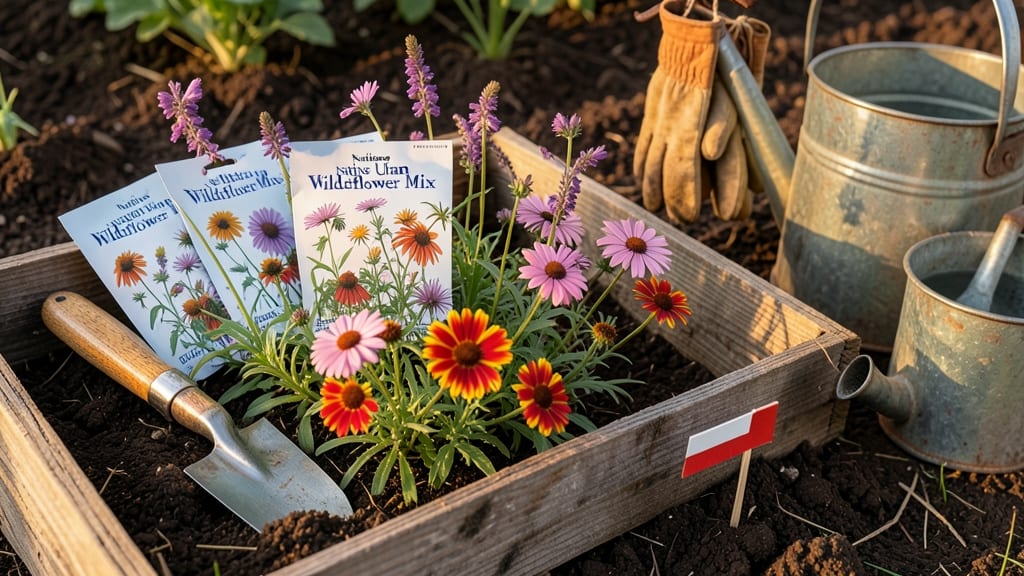
Planting a garden in Utah requires knowing the exact frost-free window for your hardiness zone, or your 🌱 General Garden Vegetables could freeze before they even sprout.
Utah’s high desert climate and dramatic temperature swings mean a two-week difference in timing can mean the difference between a bumper crop and a total loss.
For example, Salt Lake City’s last frost typically hits around April 15, while St. George’s milder zone lets you start as early as March 15—plant too soon in the wrong area, and you’ll be racing against frost again.
This guide breaks down the ideal planting months for each Utah region, from cool-season crops like peas and lettuce to heat-lovers like okra and tomatoes. You’ll also learn how to stretch your growing season with simple tricks like mulching and row covers—because in Utah, every extra week counts.
Whether you’re a first-time gardener or a seasoned pro, mastering these timing tips will help you grow more food with less stress, even in Utah’s unpredictable climate. Let’s get started.
Utah’s frost-free dates by hardiness Zone (planting timeline)
Utah’s diverse landscapes—from the high desert of St. George to the mountain valleys of Park City—create wildly different planting windows. Understanding your USDA hardiness zone and local last frost dates is key to avoiding frozen seedlings or wilting plants in summer heat.
For example, Salt Lake City (Zone 6b) has a shorter growing season than St. George (Zone 8a), where you can plant almost year-round.
Most Utah gardens thrive between mid-April and mid-June for spring planting, with fall windows opening in August and September. However, microclimates—like urban heat islands or sheltered valleys—can shift these dates by 2-3 weeks.
Always check your local Almanac frost dates or use a soil thermometer to confirm readiness, as Utah’s alkaline soils can delay warming.
Here’s your zone-by-zone breakdown, including adjustments for Utah’s most popular gardening hubs:
| USDA Zone | Last Frost Date | First Frost Date | Spring Planting Window | Fall Planting Window | Notes |
|---|---|---|---|---|---|
| Zone 4 (Northern Utah) | May 10 | September 20 | Late May–June 15 | August 1–September 10 | Cold-sensitive crops; use row covers. |
| Zone 5 (Park City) | May 1 | September 30 | Late April–June 1 | July 15–August 31 | Longer season; great for potatoes and peas. |
| Zone 6 (Salt Lake City) | April 15 | October 15 | Mid-April–June 10 | August 1–September 15 | Classic Utah zone; ideal for tomatoes and zucchini. |
| Zone 7 (Southern Utah) | March 20 | November 1 | Early March–June 1 | July 15–October 15 | Longer season; plant heat-lovers like okra. |
| Zone 8 (St. George) | March 15 | November 15 | February–June 15 | July 1–November 1 | Nearly year-round planting; drought-tolerant crops thrive. |
In Salt Lake City (Zone 6b), aim to plant cool-season crops like peas and lettuce by mid-April, but wait until late May for heat-lovers like tomatoes and peppers.
The city’s urban heat island effect can push last frost dates 1-2 weeks later in downtown areas compared to rural zones. Always monitor your garden’s microclimate—south-facing beds warm faster, while shaded spots may need row covers for early spring planting.
For St. George’s Zone 8a, you can plant warm-season crops like melons and squash as early as February, but be mindful of Utah’s dry winds, which can stress young seedlings.
Mulch heavily to retain moisture, and consider drip irrigation to avoid water waste. Fall planting here extends into November, allowing for a second harvest of greens like kale and spinach.
Park City’s Zone 5 offers a shorter but productive season, perfect for cool-loving crops like potatoes and cabbage. Start seeds indoors in March and transplant after the last frost (May 1). Use black plastic mulch to warm soil faster and extend the season into late September. For high-elevation gardens above 7,000 feet, add 1-2 weeks to frost dates—these areas can experience late snow or frost even in summer.
Pro tip: Utah’s alk
Best vegetables to plant in Utah’s short growing season (Zone-specific guide)
Utah’s short growing season and high desert climate demand smart crop choices. The key is selecting cold-hardy and heat-tolerant varieties that thrive in USDA Zones 5-8. Whether you're in Salt Lake City (Zone 6b) or St. George (Zone 8a), timing and variety matter most.
Let’s dive into the best options for each zone and how to maximize your harvest.
For early spring, focus on cool-season crops like peas and spinach, while summer heat calls for okra, sweet potatoes, and ‘Desert King’ watermelons. Utah’s short frost-free window (typically 100-165 days) means succession planting is your best friend.
By staggering plantings every 2-3 weeks, you’ll enjoy a steady supply of fresh veggies all season.
In higher-elevation areas like Park City (Zone 5), prioritize fast-maturing varieties such as ‘Early Wonder’ peas or ‘Little Marvel’ tomatoes. These can be planted as early as mid-April and harvested before first frost in October.
Meanwhile, St. George gardeners (Zone 8a) can push the limits with longer-season crops like ‘Solar Fire’ peppers or ‘Black Krim’ tomatoes, which thrive in the extended heat.
Don’t overlook drought-resistant varieties like ‘Amarillo’ chili peppers or ‘Moon and Stars’ watermelons. These require less water and perform well in Utah’s low-humidity conditions. Pair them with mulch to retain moisture and suppress weeds.
For container gardening, choose compact varieties like ‘Patio’ tomatoes or ‘Bush Blue Lake’ green beans, which are perfect for balconies or patios.
To stretch your season, use row covers for early spring plantings or shade cloth during peak summer heat. These simple tools can extend your harvest by 2-4 weeks on either end of the season.
With the right crop selection and planting strategy, you’ll turn Utah’s challenging climate into a productive garden paradise. 🌱