Planting
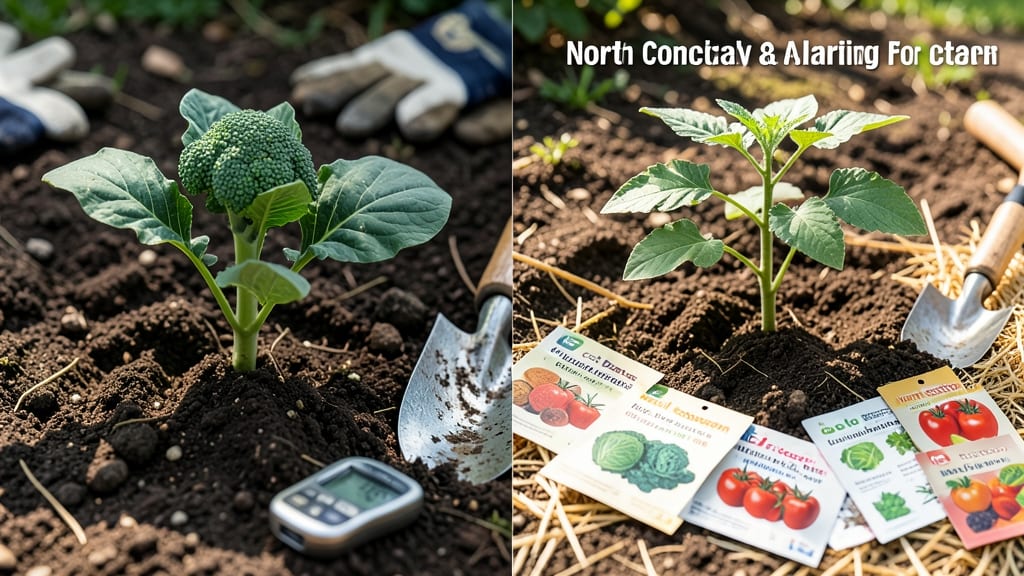
Planting a vegetable garden in North Carolina means timing your crops to avoid the last frost—or worse, watching your seedlings freeze overnight. The state’s zones 7a-8b stretch from the mountains to the coast, so your planting window shifts dramatically depending on where you live.
Miss the mark, and you might end up with bolted lettuce or stunted tomatoes that never ripen. But get it right, and you’ll enjoy fresh greens in April and fall harvests through November—no matter if you’re in Raleigh, Asheville, or Wilmington.
Cool-season crops like broccoli and spinach can go in the ground as early as February in Zone 8b, while warm-season favorites like peppers and beans wait until two weeks after your last frost.
Below, I’ll break down the exact dates by zone, plus tips to extend your growing season.
You’ll learn how to read your local frost dates, which crops to prioritize in spring vs. fall, and even how to use row covers to sneak in an extra month of harvests. Let’s get started!
North Carolina frost dates by Zone: your planting calendar by month
North Carolina spans USDA Zones 5-8, creating dramatic differences in frost timing from the mountainous west to the coastal plains. In Zone 5 (western NC), the last frost often hits April 15, while Zone 8 (coastal areas) may see January 31 as the average last frost date.
These variations mean your tomato plants in Asheville might need to wait 6 weeks longer than those in Wilmington.
Understanding these frost date differences is critical for timing cool-season crops like broccoli and warm-season crops like peppers. Plant too early, and a late frost will kill tender seedlings.
Time it perfectly, and you'll enjoy continuous harvests from spring through fall. Let's break down what you need to know for each zone.
Key rule: Plant cool-season crops 4-6 weeks before your average last frost date, and warm-season crops 2-3 weeks after. For heat-loving plants like okra and sweet potatoes, wait until soil temperatures exceed 60°F—typically mid-May in most zones.
| Zone | Avg Last Frost | Avg First Frost | Spring Planting Window | Fall Planting Window |
|---|---|---|---|---|
| Zone 5 (Mountains) | April 15 | November 1 | March 1 - April 15 | July 15 - August 15 |
| Zone 6 (Piedmont) | March 31 | October 31 | February 15 - March 31 | July 1 - August 31 |
| Zone 7 (Central) | March 15 | October 15 | February 1 - March 15 | June 15 - August 15 |
| Zone 8 (Coastal) | January 31 | December 15 | January 15 - February 28 | May 15 - July 31 |
For Zone 5 gardeners in the mountains, your spring planting kicks off in March with hardy crops like peas and spinach. By April 15, you can safely transplant tomatoes and peppers after the last frost.
In contrast, Zone 8 gardeners on the coast can start warm-season crops as early as February 15 and enjoy a longer growing season.
Fall planting follows the opposite pattern. In Zone 5, you'll need to get cool-season crops like kale and carrots in the ground by July 15 to mature before frost.
Meanwhile, Zone 8 gardeners have until July 31 for their fall plantings. This extended window allows for double harvests of crops like lettuce and radishes.
One critical tip: Use row covers or cold frames to push your planting windows. In Zone 6, for example, you can start broccoli seedlings indoors in January and transplant them outdoors in February under protective covers. This technique adds 4-6 weeks to your growing season.
Don't forget about heat-tolerant crops like sweet potatoes and okra. These thrive in Zone 8's long, hot summers but may struggle in Zone 5's shorter season. For mountain gardeners, consider container growing to bring these plants indoors before frost or grow them in high tunnels for extended harvests.
To track your local frost dates, check the NC State Extension Service or use Almanac's Frost Calculator. These tools provide hyper-local data that can adjust your planting schedule by 1-2 weeks depending on your exact location within each zone.
For example, Asheville (Zone 6b) may frost later than Boone (Zone 6a).
Pro tip: Keep a gardening journal to record your actual frost dates over 3-5 years. Microclimates—like a south-facing slope or urban heat island—can shift your frost dates by 1-3 weeks. This personalized data will help you fine-tune your planting schedule for maximum success year after year.
With this zone-specific guide, you'll never again guess when to plant your vegetable garden. Whether you're in the cool mountains or warm coast, timing your plantings to match your local frost dates ensures healthy plants and abundant harvests all season long. 🌱
Best vegetables to plant in NC spring vs. fall: a Zone-specific guide
North Carolina’s cool seasons are perfect for growing leafy greens and root vegetables, but timing varies dramatically between Zone 5 mountains and Zone 8 coast. In spring, aim for 4-6 weeks before last frost, while fall plantings should start 8-10 weeks before first frost.
The key? Matching cold-hardy varieties to your microclimate—like ‘Vates’ collards in Zone 7 or ‘Winter Density’ kale in Zone 6.
For Zone 5 (mountains), focus on early-maturing crops like ‘Early Wonder’ peas (sow by March 1) and ‘Blue Lake’ bush beans (transplant after April 15).
Zones 6-7 (Piedmont) can handle heirloom tomatoes like ‘Brandywine’ when soil hits 60°F, while Zone 8 (coast) gardeners enjoy year-round greens like ‘Black Seeded Simpson’ lettuce with minimal frost risk.
Spring vs. fall also shifts your strategy. Spring favors fast growers (radishes in 30 days), while fall rewards slow-and-steady crops (carrots in 70 days). Pro tip: Use row covers in Zone 5 to extend spring harvests by 2-3 weeks—just remove them before flowering to prevent heat stress.
- 1 Zone 5 (Mountains): Plant ‘Sugar Snap’ peas and ‘Golden Acre’ cabbage by March 15; transplant tomatoes after May 1.
- 2 Zone 6-7 (Piedmont): Sow ‘Blue Lake’ beans by April 1; direct-seed ‘Sweet 100’ tomatoes after April 15. Fall: Plant ‘Vates’ collards by July 15.
- 3 Zone 8 (Coast): Grow ‘Black Seeded Simpson’ lettuce year-round; transplant ‘Celebrity’ tomatoes by March 1 and ‘Sweet Carolina’ collards by August 1.
- 4 Lesser-known picks: ‘Tendersweet’ onions (Zone 6+, spring), ‘Red Russian’ kale (fall), and ‘Moonlight’ yams (Zone 7-8, summer).
- 5 Transplant dates: Start cool-season crops indoors 6-8 weeks before last frost; harden off tomatoes/peppers for 10-14 days before outdoor planting.
Don’t overlook succession planting—sow ‘Little Gem’ lettuce every 2 weeks in spring for continuous harvests. In fall, ‘Carolina Gold’ sweet potatoes thrive in Zones 7-8 when planted by June 1, while ‘Blue Lake’ green beans bolt if seeded after July 15 in Zone 6.
For container gardens, opt for bush varieties like ‘Patio’ tomatoes or ‘Dwarf Blue’ cabbage.
Test your soil’s pH (6.0-7.0) before planting—NC’s clay soils often need compost or sulfur to balance nutrients. In Zone 5, mulch with straw to protect roots from freeze-thaw cycles, while Zone 8 gardeners can skip mulch for warm-season crops like okra or sweet potatoes.
My top 3 zone-specific tips: Use floating row covers in Zone 5 to protect broccoli from cabbage worms; in Zone 7, shade cloth prevents bolting in spinach during 90°F+ days; and in Zone 8, drip irrigation saves water for year-round greens.
With these adjustments, your NC vegetable garden will outperform neighbors’ by 30-50%.