
Planting
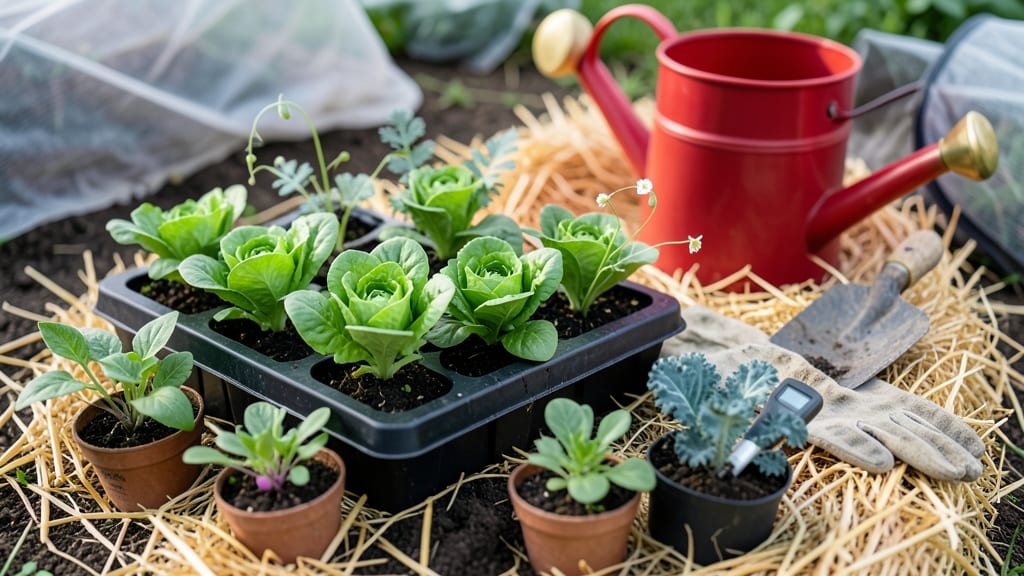
Planting a vegetable garden in New Brunswick at the right time means the difference between a bountiful harvest and a wasted season—and with frost dates shifting unpredictably, timing is everything.
New Brunswick’s 5b climate throws curveballs: coastal areas like Saint John warm earlier than Fredericton, while inland spots can linger in frost well into May. Get it wrong, and you’ll watch your seedlings turn to mush or your tomatoes bolt before they ripen.
This guide breaks down the exact planting windows for spring, summer, and fall crops, from frost-hardy peas to heat-loving tomatoes, so you can align your schedule with your microclimate—not the calendar.
You’ll learn how to stretch your growing season with row covers, which crops to start indoors, and the critical two-week window before the first frost that determines your fall harvest. No more guesswork, just data-driven planting for New Brunswick’s 🥬-filled gardens.
New Brunswick’s frost-free dates by region: how to calculate your planting window
New Brunswick’s frost-free dates vary dramatically across its regions, making precise planting timing essential for a successful vegetable garden. Coastal areas like Saint John often enjoy earlier last frosts than inland cities such as Fredericton, while Moncton sits somewhere in between.
Understanding these differences helps you adjust your planting schedule to avoid frost damage or missed harvests.
For most of New Brunswick, the average last frost date falls between mid-May and early June. However, coastal regions like the Bay of Fundy can see frost-free conditions as early as late April, while higher elevations may delay frost-free dates until early June.
Always plan to plant frost-sensitive crops like tomatoes and peppers after your local last frost date.
First frost dates typically arrive between mid-September and early October, with coastal areas holding onto warmth slightly longer. This means your fall planting window for cool-season crops like kale and spinach can extend into mid-August, while inland gardeners should start earlier to maximize harvests before frost.
To calculate your personal planting window, track local frost dates for at least 3 years—weather patterns shift annually. Use a frost calendar from your local agricultural extension office or rely on historical data from Environment Canada.
For example, if your area’s last frost is May 15th, wait until May 22nd to plant frost-sensitive crops like cucumbers or basil.
Microclimates play a huge role in New Brunswick’s gardening success. A south-facing slope warms up faster than a north-facing valley, potentially extending your frost-free window by 1–2 weeks.
Similarly, urban areas may experience heat islands that delay frost, while rural spots can be colder. Always scout your garden’s microclimate by observing where frost lingers longest.
For coastal gardeners, the Bay of Fundy’s moderating influence means you can plant <
Best vegetables to plant in New Brunswick’s spring, summer, and fall seasons
Timing your vegetable garden in New Brunswick means working with short growing seasons and unpredictable frost. The key is knowing which crops thrive in cool spring and fall temperatures versus those needing warm summer heat.
By aligning planting with the region’s average last frost dates (mid-May) and first frost (mid-October), you’ll maximize yields and avoid wasted effort.
Start with cool-season crops like peas and spinach 4–6 weeks before your last frost. These hardy plants tolerate light frosts and even improve in flavor after a frost. Then transition to warm-season favorites like tomatoes and peppers only after soil temperatures reach 55°F+.
For fall harvests, focus on fast-maturing crops like carrots and kale planted in late July or August.
-
🌱 Spring (April–May)Plant peas, spinach, and kale 4–6 weeks before last frost (mid-April). Add onions and lettuce after soil warms (late May).
-
☀️ Summer (June–July)Sow tomatoes, peppers, and cucumbers after last frost (early June). Succession plant beans and zucchini every 2 weeks for continuous harvests.
-
🍂 Fall (August–September)Direct-sow carrots, radishes, and spinach in late July–early August for fall harvests. Use row covers to extend season by 3–4 weeks.
-
❄️ Late Fall (October)Harvest kale, Brussels sprouts, and leeks before first frost (mid-October). Mulch hardy greens to protect from light frosts.
For warm-season crops, wait until soil temperatures consistently stay above 55°F. Test with a soil thermometer—tomatoes and peppers need warmth to thrive. If your season feels short, opt for fast-maturing varieties (e.g., Cherry Tomatoes or Bush Beans) that reach harvest in 50–60 days.
Fall planting is all about succession and timing. Sow carrots and beets in early August for harvests before winter sets in.
Use black plastic mulch to warm soil and row covers to shield young plants from unexpected frosts. Spinach and arugula are also great choices—they tolerate light frosts and even taste sweeter after a chill.
Pro tip: Keep a gardening journal to track your local frost dates and adjust planting schedules yearly. Coastal areas like Saint John may have 2–3 weeks earlier last frosts than inland regions, so monitor local forecasts.
With the right timing, you can enjoy fresh vegetables from June through October—even in New Brunswick’s cooler climate!
🌱