
Planting
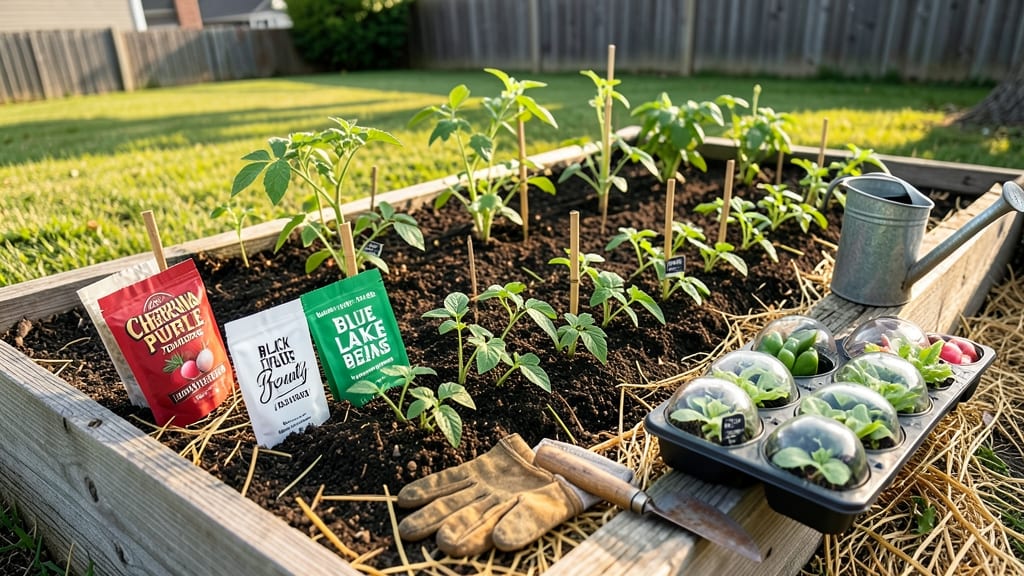
Planting a vegetable garden in Oklahoma at the right time means the difference between a thriving harvest and wasted effort — and the best window opens around mid-March for most of the state.
Oklahoma’s unpredictable climate can make or break your vegetable garden 🌱. Planting at the wrong time means wilted dreams instead of a bountiful harvest. Timing is everything, and knowing your last-frost dates by crop type is the secret to a thriving garden.
In zones 6b-7a, cool-season crops like lettuce and peas can go in as early as February, while warm-season favorites like tomatoes and peppers need to wait until after the last frost — usually by April 15 in most regions.
Below, I break down the exact planting schedule for Oklahoma’s microclimates, how to extend your growing season, and the one mistake that kills more gardens than frost ever does.
Oklahoma’s last-frost dates by region: when to start planting vegetables
Oklahoma’s climate varies dramatically from north to south, making last-frost dates critical for successful vegetable gardening. In the northern panhandle (USDA Zone 6b), frost can linger until April 15, while the southern region (Zone 7b-8a) often sees its last frost by March 15.
These differences mean your planting schedule should shift depending on where you live in the state.
Understanding your microclimate is key—valleys and low-lying areas tend to frost later than hillsides. For example, Tulsa (Zone 7a) averages a last frost around March 25, while Oklahoma City (Zone 7b) typically warms up by March 20.
Always check local weather forecasts and historical data from the Oklahoma State University Extension for precision.
Cool-season crops like lettuce, spinach, and peas can handle light frosts, so you can plant them 4-6 weeks before your last frost date.
Warm-season crops like tomatoes, peppers, and squash, however, need consistent warmth and should only go in after your last frost—usually mid-April to early May in most regions.
Here’s how Oklahoma’s three main regions break down for planting:
Soil temperature matters just as much as air temperature. Most warm-season vegetables need soil to reach 60°F or warmer before planting. Use a soil thermometer to check—if it’s below 60°F, wait a few more days. Cool-season crops like broccoli and cabbage, however, can tolerate cooler soils down to 40°F.
In Zone 6b (northern Oklahoma), where frosts are more common, consider using row covers or cold frames to extend your growing season.
These tools can push your last frost date back by 2-3 weeks, giving you more time to grow early spring crops like peas and spinach or late fall crops like kale and radishes.
For warm-season crops, timing is everything—planting too early can stunt growth due to soil-borne diseases or cool nights. In Zone 7a-8a (southern Oklahoma), you can often start tomatoes and peppers indoors by February 15 and transplant them outdoors after your last frost.
For squash and cucumbers, wait until soil temperatures are consistently above 70°F.
Don’t forget about fall planting! Many gardeners overlook the opportunity to grow cool-season crops in late summer. In most of Oklahoma, you can plant spinach, lettuce, and carrots as early as August 15 for a fall harvest.
The first frost typically arrives around November 15, giving you a 2-3 month growing window for these crops.
To stay on track, mark your calendar with these key dates: last frost, average first frost, and soil temperature thresholds. Use a gardening journal to track your progress and adjust future planting schedules based on your experiences.
With the right timing, you’ll be enjoying homegrown tomatoes, peppers, and greens all season long! 🌱
Best planting schedule for Oklahoma vegetables: cool vs. warm season crops
Oklahoma gardeners know timing is everything—plant too early and frost will nip your seedlings, too late and summer’s heat will stress tender plants. The key is matching each crop to its ideal soil temperature and frost risk window.
Warm-season crops like tomatoes and peppers need warm soil (60°F+), while cool-season lettuce and green beans thrive in cooler temps. Let’s break down the perfect planting schedule for Oklahoma’s USDA zones 6b-7a.
First, check your local last-frost date—most of Oklahoma averages March 15, but northern regions may wait until April 1. For warm-season crops, wait until soil temps hit 60°F (usually mid-April). Cool-season crops can start 4-6 weeks before last frost for an early harvest.
Below, I’ve mapped out the ideal planting windows for Oklahoma’s top 5 vegetables, plus pro tips to avoid common mistakes.
-
1
Cool-Season Crops (Plant Early):
- Lettuce: February–March (4–6 weeks before last frost) or August–September for fall harvest.
- Green Beans: March–April (soil 50°F+) or July–August for late-season growth.
-
2
Warm-Season Crops (Plant Late):
- Tomatoes: April 15–May 1 (after soil hits 60°F). Start seeds indoors 6–8 weeks early.
- Peppers: May 1–June 1 (soil 70°F+). Needs longer warm season to mature.
- Squash: April 15–May 15 (direct-sow after frost). Loves hot Oklahoma summers!
-
3
Pro Tips for Oklahoma:
- Use row covers for early cool-season plants to protect from late frosts.
- Test soil temperature with a thermometer—warm-season crops won’t germinate in cold soil.
- For fall gardens, plant warm-season crops like peppers in July for a late harvest.
Don’t overlook succession planting—sow lettuce every 2 weeks in spring for continuous harvests, or try bush beans in both spring and summer. Oklahoma’s long growing season (180–210 frost-free days) lets you experiment with unusual pairings, like cold-hardy kale alongside heat-loving okra in raised beds.
Monitor your garden’s microclimate—south-facing beds warm up faster than north sides, and container gardens heat up quicker than in-ground soil.
If you’re in Zone 7a (southern OK), you can push warm-season crops even later, but northern OK gardeners should prioritize early maturing varieties like ‘Early Girl’ tomatoes or ‘Blue Lake’ beans.
Remember: Soil prep is half the battle. Amend beds with compost in fall to improve drainage, and mulch heavily after planting to retain moisture during Oklahoma’s dry spells. With this schedule, you’ll avoid the heartbreak of frost-killed seedlings or bolt-stage lettuce—just homegrown success all season long. 🌱