
Planting
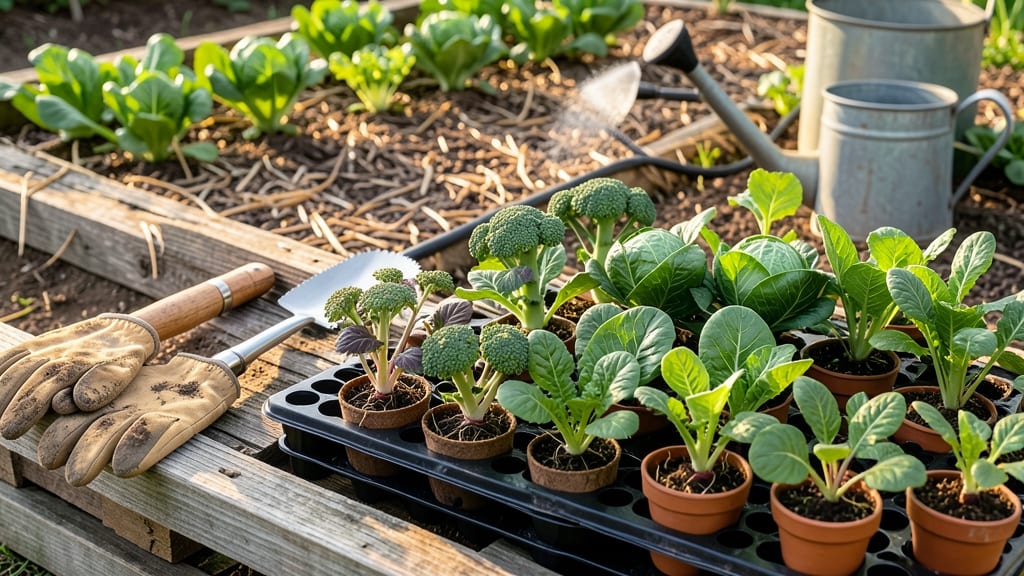
To plant a fall garden in South Texas, aim for mid-August through early October when soil temperatures dip below 90°F—this is your 60-90 day frost-free window for heat-tolerant crops like okra and sweet potatoes.
South Texas gardeners know the struggle: scorching summers and unpredictable fall weather can make planting a tricky timing game—but with the right schedule, you can grow heat-tolerant crops without risking frost damage.
Here’s the key: soil temps above 60°F and 90°F below are your sweet spot for most Fall Garden Vegetables (General) 🥬. Skip the guesswork with a month-by-month breakdown tailored to your zone, plus the best crops that thrive in this climate.
You’ll learn exactly when to plant each crop, how to stretch your harvest window, and the pro tips that keep your garden thriving until December—no frost worries here.
Optimal planting windows for South Texas fall crops (by month)
South Texas gardeners have a unique advantage with its long growing season and mild winters. Unlike northern regions, we can grow heat-tolerant crops well into October, avoiding frost damage entirely in most years.
The key? Planting at the right time to maximize harvest before temperatures drop too low. For USDA zones 8a-10a, this means starting warm-season crops early and transitioning to cooler-season varieties by late summer.
Your last frost date is rarely a concern in South Texas, but soil temperatures and day length shift dramatically between August and November. For example, okra and sweet potatoes thrive when planted in mid-August, while collard greens and turnips prefer cooler September soils.
Below, I break down the best planting windows by month, including frost-free deadlines and crop-specific tips to ensure success.
| Month | Plant | Soil Temp (°F) | Days to Maturity | Notes |
|---|---|---|---|---|
| Mid-August | Okra, Sweet Potatoes, Black-Eyed Peas | 80-90°F | 60-90 days | Plant after July heat subsides; use shade cloth if temps exceed 100°F. |
| Late August | Tomatoes, Peppers, Eggplant | 75-85°F | 50-70 days | Choose heat-tolerant varieties like 'Celebrity' tomatoes or 'Jalapeño M' |
| Early September | Collard Greens, Mustard Greens, Turnips | 70-80°F | 45-60 days | Direct sow after soil cools below 85°F; mulch to retain moisture. |
| Mid-September | Cabbage, Broccoli, Kale | 65-75°F | 50-80 days | Transplant seedlings; protect from harvesting pests like cabbage worms. |
| Late September | Spinach, Lettuce, Radishes | 60-70°F | 30-50 days | Use row covers for frost protection if temps dip below 40°F. |
| Early October | Carrots, Beets, Green Onions | 55-65°F | 60-90 days | Sow seeds; harvest before hard frost (rare but possible). |
August is your golden window for planting heat-loving crops like okra and sweet potatoes. These plants need warm soil to germinate, so wait until after the first week of August when daytime highs drop below 100°F.
I recommend using black plastic mulch to warm the soil faster and retain moisture. For okra, plant seeds 1 inch deep and 12 inches apart in rows spaced 3 feet apart.
By late August, shift focus to tomatoes and peppers, which can handle mild heat but prefer slightly cooler soils. Transplant seedlings in the afternoon to reduce transplant shock, and water deeply once a week to encourage root growth.
Avoid overhead watering to prevent fungal diseases like early blight. Pro tip: Use mycorrhizal fungi at planting to boost root health in our clay-heavy soils.
September is when cool-season crops like collard greens and turnips shine. These plants thrive in 60-70°F soil and can handle light frosts (though rare in South Texas). Direct sow seeds 1/4 inch deep and keep soil moist until germination.
For collards, harvest outer leaves first to encourage continuous growth. If you notice yellowing leaves, it’s likely nitrogen deficiency—side-dress with compost tea to fix it.
Mid-September is your last chance to plant broccoli and cabbage for a fall harvest. These crops need
Best heat-tolerant fall vegetables for South Texas (ranked by success rate)
When South Texas temperatures start dropping from their summer highs, it’s time to plant crops that can handle the remaining heat while maturing before winter. The key is selecting heat-tolerant varieties that thrive in 85-95°F soil and 60-70°F nighttime temps.
These crops won’t just survive—they’ll thrive and produce bountiful harvests before frost ever becomes a concern.
My top picks are based on years of testing in USDA zones 8a-10a, where I’ve seen okra bolt in September and sweet potatoes flourish under the late-summer sun. The goal? Plant crops that mature in 60-90 days so they’re ready to harvest before December’s rare cold snaps.
Let’s dive into the 12 most reliable heat-tolerant fall vegetables for your South Texas garden.
Let’s start with the top performers—okra and sweet potatoes—both of which I’ve seen thrive even when daytime temps hover around 100°F. Okra, for example, loves the heat and can handle direct sunlight all day.
Plant seeds ½ inch deep, spacing them 12-18 inches apart, and watch them shoot up in 3-4 weeks. Harvest pods when they’re 3-6 inches long to keep production steady.
Sweet potatoes, on the other hand, need warm soil to germinate