
Planting
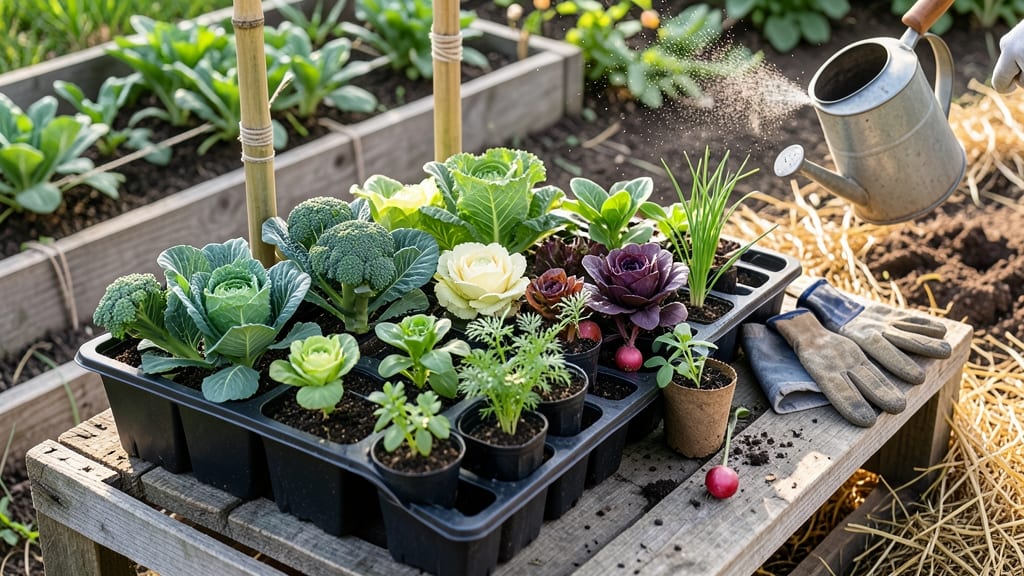
Planting a fall garden in Texas means starting mid-August to early October—when the heat is still manageable but before frost sneaks in.
Texas gardeners know that timing is everything—plant too early, and your fall crops will bolt in the heat; too late, and frost ruins your harvest. But with the right schedule, you can enjoy fresh greens, root vegetables, and even cool-season herbs all winter long.
In zones 8a-10b, the key is working with the climate: 6-8 weeks before the first frost gives most plants enough time to mature. That means late August for heat-lovers like okra and early October for greens like spinach.
Below, I’ll break down the exact planting windows by zone, the best crops for Texas heat, and how to avoid common mistakes that waste your harvest. Let’s get those 🌱 roots in the ground!
Texas fall planting timeline by hardiness zones (7-10)
Timing your Texas fall garden correctly means the difference between a bountiful harvest and wasted effort. The Lone Star State's diverse zones (7-10) create unique planting windows—Zone 7a gardeners face earlier frosts than Zone 10b growers.
My strategy? Start with heat-tolerant crops like okra and sweet potatoes in August, then transition to cool-season veggies by October.
First, know your last frost dates: Zone 7a averages November 15, while Zone 10b rarely sees frost. Soil temperatures below 50°F signal it's time for frost-sensitive plants. I always check USDA Plant Hardiness Zone Map and local Cooperative Extension Service data to fine-tune my schedule.
Here’s my zone-specific planting calendar for Texas fall gardens, covering August through November with ideal soil temps and crop windows:
For Zone 7a-8a, I prioritize late August plantings of okra and sweet potatoes—these heat-lovers need 80°F+ soil to germinate. In Zone 9b-10b, I extend the window into early October for leafy greens like spinach, which tolerate 55°F nights.
My soil prep ritual starts in July: I add 2-3 inches of compost and test pH (aim for 6.0-7.0). Raised beds warm faster, so I plant cool-season crops there 2 weeks earlier than in-ground plots. I also use black plastic mulch to maintain soil temps and suppress weeds.
Pro tip: Use row covers for October plantings—they extend harvests by 2-3 weeks in Zone 7a and protect broccoli from light frosts. In Zone 10b, I skip covers entirely and focus on succession planting every 2 weeks for continuous harvests.
Watch for first frost warnings from your local National Weather Service office. In Zone 7a, I harvest leafy greens before November 15, while Zone 10b gardeners can keep planting until December 1. Always have row covers and cold frames ready for last-minute protection.
Best heat-tolerant fall crops for Texas gardens (and when to start them)
Texas gardeners know that timing is everything—plant too early, and your fall crops will bolt in the heat; too late, and frost ruins your harvest. But with the right schedule, you can enjoy fresh greens, root vegetables, and even cool-season herbs all winter long.
The key is choosing heat-tolerant varieties that thrive in late summer before cooler temps arrive.
My top 10 heat-tolerant fall crops for Texas gardens balance resilience with productivity. These varieties handle 90°F+ temperatures while maturing quickly enough to avoid frost damage. Start seeds indoors or transplant young plants in mid-August to early September for best results.
Start with okra and sweet potatoes, which handle Texas heat like pros. Okra thrives in 90°F+ temperatures and matures in just 50-60 days. Plant seeds directly in late July to early August for a fall harvest before frost.
Sweet potatoes, another heat lover, take 90-120 days but reward you with smooth, sweet tubers when planted by mid-July.
For leafy greens, collard greens and turnip greens are my go-tos. These heat-tolerant brassicas handle 85°F+ temps better than most greens and mature in 45-60 days. Transplant seedlings in late August to early September for harvests through December. succession plant every 2-3 weeks to keep a steady supply.
Don't overlook black-eyed peas and cowpeas, which fix nitrogen in the soil while producing edible pods and seeds. These legumes handle 95°F+ heat and mature in 60-90 days.
Start seeds in late July to early August for a fall harvest. Their deep roots also help break up compacted Texas soil.
Herbs like cilantro and dill thrive in fall's cooler temps but can handle 85°F+ heat if planted early. Sow seeds in mid-August for a fall harvest.
Use shade cloth if temps exceed 90°F to prevent bolting. Basil, another heat lover, matures in 30-45 days when planted by late July.
Pro tip: Use mulch to retain soil moisture and row covers for late plantings. This extends your growing season by 2-4 weeks before frost. Always check your local frost dates—North Texas zones (7-8) have earlier frosts than South Texas (9-10).
With these heat-tolerant crops, you'll enjoy fresh harvests all fall long!