
Planting
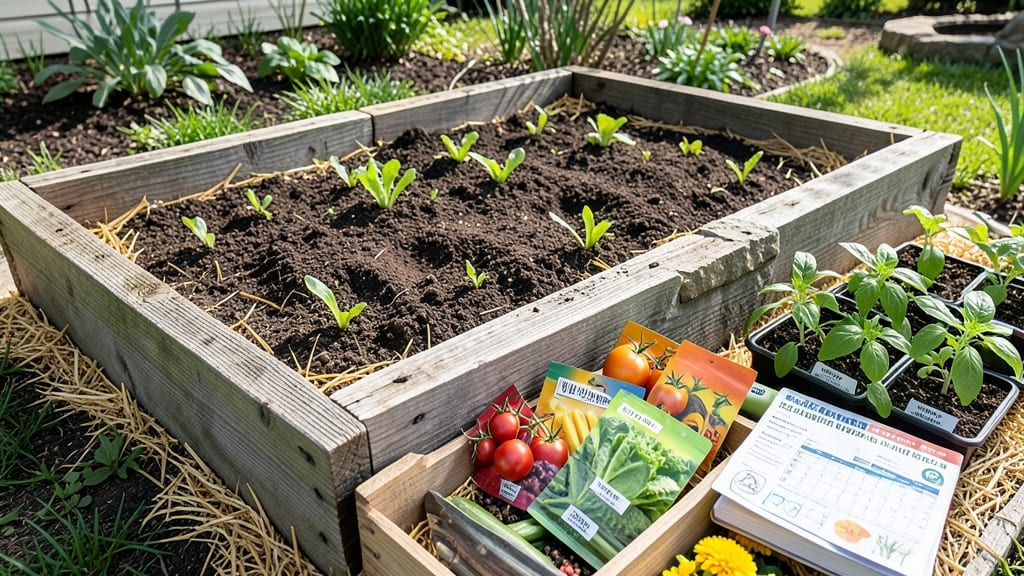
Planting a garden in WV at the right time means avoiding frost damage and maximizing your harvest—especially in Zone 7a-7b, where chilly springs and humid summers demand precision.
Picture this: You’ve prepped your soil, ordered seeds, and cleared your schedule for planting day—only to watch a late frost wipe out your tender seedlings.
West Virginia’s climate can be tricky, with frost lingering into May in some areas while heat-sensitive crops like tomatoes need to go in by early April.
Timing isn’t just about the calendar; it’s about understanding your microclimate. Valleys may thaw weeks before mountain slopes, and a single degree can mean the difference between success and failure for crops like peppers or lettuce.
In this guide, I’ll break down the exact frost-free windows for your zone, month-by-month planting deadlines, and smart tricks to stretch your growing season—so you can finally get the thriving garden you’ve been dreaming of.
West Virginia’s frost-free dates by Zone 7a-7b: when to start planting
Understanding West Virginia’s frost-free dates is key to planning your garden successfully. In Zone 7a (northern WV), the average last spring frost occurs around April 15-30, while Zone 7b (southern WV) sees frost-free conditions about 1-2 weeks earlier.
These dates mark when you can safely plant heat-loving crops like tomatoes and peppers without risking frost damage.
For cold-hardy vegetables such as kale, spinach, and peas, you can start planting as early as late March in Zone 7b or early April in Zone 7a. These plants thrive in cooler temperatures and can even tolerate light frosts.
Meanwhile, warm-season crops like cucumbers and squash should wait until after the last frost date to ensure strong growth.
Microclimates play a huge role in WV gardening. Valley areas tend to warm up faster in spring, while higher elevations may experience frost 1-2 weeks later.
If you're in a valley, you might plant tomatoes and peppers by mid-April in Zone 7b, but higher elevations should wait until early May.
Here’s a quick reference for your planting timeline based on WV’s zones and crop types:
| Crop Type | Zone 7a (Northern WV) | Zone 7b (Southern WV) | Notes |
|---|---|---|---|
| Cold-Hardy Vegetables (Kale, Spinach, Peas) | Late March | Late March | Can handle light frost |
| Warm-Season Crops (Tomatoes, Peppers, Lettuce) | April 15-30 | April 1-15 | Wait until after last frost |
| Root Vegetables (Carrots, Potatoes) | Early April | Late March | Plant early for summer harvest |
| Flowers (Marigolds, Zinnias) | Late April | Mid-April | Direct sow after frost risk passes |
| Herbs (Basil, Cilantro) | May 1-15 | April 15-30 | Basil needs warm soil |
If you’re in a valley or low-lying area, you can often plant 2-3 weeks earlier than the average frost date.
These areas warm up faster and may even support early tomato transplants by mid-April in Zone 7b. Conversely, mountainous regions should err on the side of caution and wait until early May to plant heat-sensitive crops.
For fall planting, aim to sow cool-season crops like lettuce and spinach by mid-August in Zone 7a or late July in Zone 7b. This gives them time to mature before the first frost, which typically arrives around October 15-30 in Zone 7a and October 1-15 in Zone 7b.
To protect young plants, use row covers or cold frames if you’re eager to plant earlier. These tools can push your last frost date back by 2-3 weeks, giving you an extended growing season. Just be sure to remove covers during the day to prevent overheating.
Keep an eye on your local weather forecasts in the weeks leading up to your planting window. A sudden cold snap can delay planting by 1-2 weeks, so flexibility is key.
For example, if frost is predicted April 20-25, hold off on planting tomatoes or peppers until after the threat
Best month-by-month planting schedule for WV gardens
West Virginia’s Zone 7a-7b climate offers a 150-180 day growing season, but timing is everything. Plant too early and face late frosts; too late and miss peak harvests. The key is balancing warm soil temperatures with frost-free windows—especially for heat-lovers like tomatoes and peppers.
For cool-season crops like lettuce and kale, you can start as early as March under row covers. But warm-season crops need to wait until after May 15 in most areas. Let’s break it down month-by-month for a continuous harvest all season long.
- 1 March-April: Start cool-season crops indoors or under row covers. Direct-sow peas, spinach, and radishes after last frost risk passes (Zone 7a: April 15, Zone 7b: April 1). Soil temps should reach 40°F+.
- 2 May: Harden off transplants (tomatoes, peppers, basil) and plant after May 15. Sow beans, corn, and squash directly into warm soil (60°F+). Use mulch to retain heat in valleys.
- 3 June-August: Succession plant lettuce, bush beans, and carrots every 2-3 weeks for continuous harvests. Herbs like cilantro thrive in partial shade during peak summer heat.
- 4 September: Plant fall broccoli, kale, and turnips by September 1 for harvest before first frost (Zone 7a: Oct 20, Zone 7b: Nov 5). Garlic can be planted in late September for next year’s crop.
- 5 October-November: Cover crops like clover or rye protect soil. Plant winter onions and hardy greens if mild spells occur. Clean up garden beds to prevent pests overwintering.
Pro tip: Use succession planting to replace harvested crops—like bush beans every 3 weeks—to keep your garden productive. For Zone 7a (higher elevations), wait 7-10 days longer than Zone 7b before planting warm-season crops.
Don’t forget perennials! Plant asparagus crowns in early spring or rhubarb in fall for long-term rewards. Mulch heavily in Zone 7a to protect roots during early frosts.
With this schedule, you’ll enjoy fresh produce from spring to fall—even in WV’s unpredictable climate. Happy planting! 🌱