
Planting
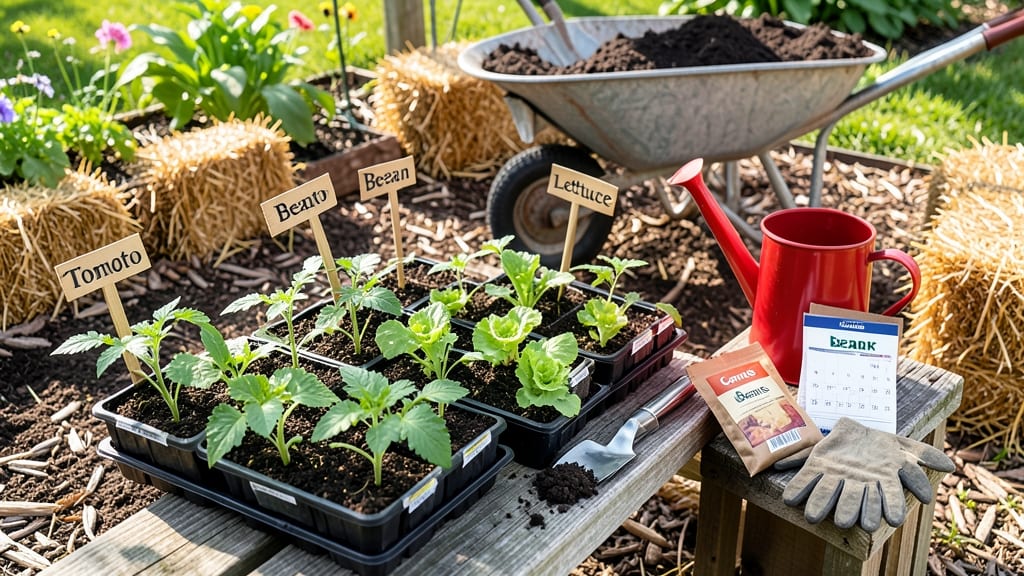
Planting your garden in Ohio after the last frost is the key to avoiding those heartbreaking late-March freezes that turn tender seedlings into crispy snacks for the crows.
Ohio’s unpredictable frost dates can turn your gardening dreams into a gamble—unless you know the exact Zone 6A planting windows for frost-free success. Miss these deadlines, and your seedlings could become a sad statistic in the annals of gardening ‘what-ifs.’
Here’s the good news: with 165 frost-free days in most of Ohio, you’ve got plenty of time to grow a thriving garden—if you start at the right moment. Whether you’re planting cool-season crops like spinach in early spring or warm-season favorites like tomatoes after the soil warms, timing is everything.
Below, I’ll break down Ohio’s average last frost dates by region, share my proven strategies for extending the season, and give you a month-by-month planting schedule for the most popular vegetables and flowers in Zone 6A.
Ohio Zone 6A last frost dates: critical planting windows by season
Ohio’s Zone 6A frost dates create a tight window for planting—just 165 frost-free days on average. Knowing your last spring frost and first fall frost dates is the difference between a thriving garden and a sad pile of frost-nipped seedlings.
For most of Ohio, the average last frost lands between April 15th and May 1st, while the first frost typically arrives October 15th to November 1st. But these dates shift dramatically depending on whether you’re gardening in Columbus, Cincinnati, or rural Appalachian Ohio.
Let’s start with the basics: The USDA Plant Hardiness Zone Map divides Ohio into Zone 5b in the north and Zone 6b in the south, but Zone 6A covers most of central Ohio.
This means your last frost could arrive 2-3 weeks earlier in southern Ohio (like Dayton) compared to northern areas (like Toledo). Always check local Almanac records or use a frost calculator for precision.
Here’s the golden rule for Ohio gardeners: Warm-season crops like tomatoes, peppers, and beans must wait until after the last frost—usually mid-May—while cool-season crops like spinach, kale, and carrots can handle light frosts and should be planted 4-6 weeks before the first frost.
Timing is everything, and missing these windows can mean the difference between a bountiful harvest and a failed crop.
| Plant Type | Last Frost Planting Window | First Frost Planting Window | Notes |
|---|---|---|---|
| Warm-Season Crops | After May 10th (Columbus/Cincinnati) | N/A (too late) | Tomatoes, peppers, cucumbers |
| Cool-Season Crops | March 15th - April 15th | August 15th - September 15th | Spinach, kale, lettuce, peas |
| Herbs | After April 20th (basil) | June 1st - July 15th | Basil, cilantro, parsley |
| Flowers | After April 30th | July 1st - August 15th | Marigolds, zinnias, cosmos |
| Perennials | April 1st - May 1st | September 1st - October 1st | Asparagus, rhubarb, lavender |
For Columbus and central Ohio, the average last frost is around April 20th, but you’ll want to wait until May 1st to plant heat-loving crops like tomatoes and peppers.
In Cincinnati, the last frost tends to be 3-5 days earlier, while Toledo and northern Ohio can see frost as late as May 10th. Use a frost date tracker or local Cooperative Extension Service data for real-time updates.
If you’re planting cool-season crops like spinach or broccoli in fall, aim for 6-8 weeks before the first frost.
For most of Ohio, this means late July to early August. Kale and carrots are especially cold-hardy and can even survive light frosts, making them ideal for fall planting.
Meanwhile, warm-season crops like squash and beans should be planted by June 15th at the latest to mature before frost.
Pro tip: Use row covers or cold frames to extend your planting window by 2-3 weeks in spring or fall. This is especially useful for early tomatoes or late-season greens.
Just remember, soil temperature matters just as much as air temperature—most warm-season crops need soil at 60°F or warmer to thrive.
Don’t forget about succession planting!
How to adjust planting dates for Ohio’s unpredictable weather patterns
Ohio’s Zone 6A climate throws curveballs with late spring frosts and early fall freezes, making planting dates feel like a moving target. One year, your tomato seedlings might survive a May frost, while the next, they’ll wilt by Memorial Day.
The key? Flexible strategies that account for Ohio’s 165-day growing season and microclimate quirks—like urban heat islands that can push planting dates 2 weeks earlier than rural areas.
I’ve learned the hard way that following average frost dates isn’t enough. Last year, I planted peppers on April 20th in my backyard—only to lose them to a late-May freeze.
This year, I’m using succession planting and season extenders to hedge my bets. Here’s how you can too, with data-backed adjustments for Ohio’s most finicky crops.
⚠️ Ohio’s Frost Risk Zones
Northern Ohio (e.g., Toledo, Cleveland): Last frost May 10–15; first frost October 5–10. Warm-season crops like tomatoes and peppers must wait until after May 15th—no exceptions.
Central Ohio (e.g., Columbus, Dayton): Last frost April 25–May 5; first frost October 10–15. Cool-season crops (spinach, kale) can start March 15th, but warm-season crops risk frost until May 10th.
Southern Ohio (e.g., Cincinnati, Lexington): Last frost April 10–20; first frost October 20–25. Urban areas (like Cincinnati) can plant tomatoes by April 25th, but rural spots may need to wait until May 5th.
Pro Tip: Use the Old Farmer’s Almanac or local CoCoRaHS data to track 3-year frost averages in your exact neighborhood.
To beat Ohio’s unpredictable weather, I rely on three season-extending tools: frost cloths, cold frames, and succession planting. Frost cloths (like Reemay) add 2–4°F protection and let me plant cool-season crops 2 weeks earlier.
Last spring, I used them to grow broccoli by March 1st—something I’d never risk without protection.
For warm-season crops like tomatoes and peppers, I wait until May 15th in most of Ohio, but I also use black plastic mulch to warm the soil 5–10°F faster than bare earth.
This lets me plant 10 days earlier without risking frost damage. In urban heat islands (like downtown Columbus), I’ve even seen cucumbers thrive when planted by April 20th—something rural gardeners can’t replicate.
Succession planting is my secret weapon for Ohio’s short season. Instead of planting all my lettuce at once, I stagger 3 batches every 2 weeks from March 15th to April 15th.
This ensures a continuous harvest until the first frost, even if early batches bolt in June heat. For beans and peas, I plant every 10 days from May 1st to June 1st to keep the harvest going.
Don’t forget to monitor microclimates—your backyard’s frost risk might differ from your neighbor’s. South-facing slopes warm up 3–5 days earlier than low-lying areas, while ponds or lakes can delay last frosts by 1–2 weeks.
I use a minimum-maximum thermometer buried in the soil to track nighttime lows and adjust planting dates accordingly.
By combining frost protection, soil warming, and succession planting, I’ve turned Ohio’s unpredictable weather into an advantage. This year, I’m aiming for a tomato harvest by July 1st—and with these strategies, you can too. 🌱