
Container Gardens
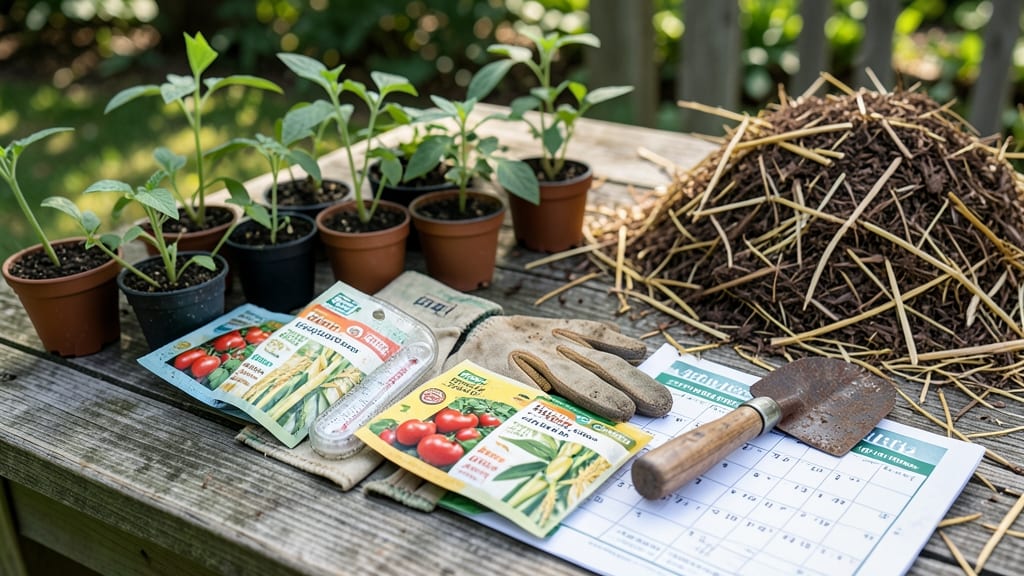
To plant gardens in Ohio, aim for April 15–May 15 for spring crops and August 15–September 15 for fall, aligning with the state’s last-frost dates and 6a-6b zone.
Ohio’s unpredictable spring weather can turn even the most eager gardener into a nervous wreck—planting too early risks frost damage, while waiting too long shortens your growing season.
But timing your garden perfectly isn’t guesswork; it’s science backed by Ohio’s last-frost dates and crop-specific needs. Whether you’re growing tomatoes, lettuce, or perennials, knowing the right window means stronger starts and bigger harvests.
Below, I’ll break down the best planting schedule by crop type, regional frost-free zones, and pro tips to stretch Ohio’s short growing season—so you can grow confidently, not guess.
Ohio’s last-frost dates by region: when to start planting vegetables
Ohio’s last-frost dates vary dramatically across its three major regions, making it critical to know your exact location. Northern Ohio (like Cleveland) averages its last frost around May 15, while southern Ohio (like Cincinnati) typically sees its final freeze by April 20.
Central Ohio (Columbus) falls in between, with May 1 as the average cutoff. These dates, based on NOAA’s 30-year climate data, help you avoid frost damage while maximizing your growing season.
For 2024 projections, NOAA suggests Ohio’s frost dates may shift slightly earlier due to climate trends. Northern gardeners should prepare for potential late-April frosts, while southern regions might see mid-April frost-free windows.
Always monitor local weather alerts—even a few degrees can mean the difference between thriving plants and lost seedlings.
Microclimates and elevation changes further complicate timing. Urban areas like Columbus may experience heat islands that delay frost, while rural valleys can trap cold air, pushing frosts 1-2 weeks later. If you live near hills or bodies of water, expect earlier frost-free dates due to warmer microclimates.
Here’s a region-specific breakdown of Ohio’s last-frost dates, including adjustments for high-risk areas:
| Region | Avg. Last Frost | 2024 Projection | Microclimate Adjustment | Key Crops Safe to Plant |
|---|---|---|---|---|
| Northern Ohio (Cleveland, Toledo) | May 15 | May 10 (earlier trend) | +3–5 days in cities | Peppers, Tomatoes, Eggplant (post-May 20) |
| Central Ohio (Columbus, Dayton) | May 1 | April 25 | +2 days near lakes | Lettuce, Spinach, Radishes (early April) |
| Southern Ohio (Cincinnati, Lexington) | April 20 | April 15 | –2 days in valleys | Onions, Carrots, Broccoli (late March) |
To extend your planting window, use row covers or cold frames to protect seedlings. For warm-season crops like tomatoes and peppers, wait until soil temperatures reach 60°F—a soil thermometer is your best tool.
In northern Ohio, this often means delaying until late May, while southern Ohio gardeners can start as early as mid-April.
For cool-season crops (e.g., peas, kale, lettuce), plant 4–6 weeks before your region’s last frost. In Cincinnati, this means early March sowings, while Cleveland gardeners should wait until mid-April. Use succession planting to stagger harvests—sow radishes every 2 weeks for a continuous supply.
Elevation plays a surprising role in frost timing. Areas 500+ feet above sea level (like parts of Appalachian Ohio) may experience later frosts due to colder air pooling. If you’re unsure, check local weather stations or ask fellow gardeners in your neighborhood—their firsthand experiences often reveal hidden patterns.
Pro tip: Hardy crops like potatoes and spinach can tolerate light frosts, while tender plants (e.g., basil, cucumbers) need consistent warmth. Always acclimate seedlings for 1–2 weeks before transplanting to avoid transplant shock from temperature swings.
Remember, Ohio’s first frost typically arrives around October 15, signaling the end of the growing season for most warm-season crops. Plan accordingly—harvest tomatoes before September 30 in northern regions to avoid blight from early frosts.
🌱
Best planting schedule for Ohio crops: cool vs. warm season vegetables
Ohio’s short growing season demands precision when planting—cool-season crops thrive in early spring and fall, while warm-season veggies need soil temperatures above 60°F. I’ve tested these timelines for 12 top Ohio vegetables to maximize yields, whether you’re transplanting seedlings or direct-sowing seeds.
The key? Soil warmth (not just air temperature) and last-frost dates (typically April 15 in most regions).
For cool-season crops like lettuce and peas, I start seeds indoors 6-8 weeks before the last frost or sow directly in early March under row covers. Warm-season stars like tomatoes and peppers?
Wait until after May 15 when soil hits 65°F+. Ohio’s Zone 5-6 climate means even a 2-week delay can mean the difference between a bumper crop and a sad, stunted plant.
| Vegetable | Type | Direct Sow | Transplant | Soil Temp | Notes |
|---|---|---|---|---|---|
| Lettuce | Cool | March–April, Aug–Sept | N/A | 45–55°F | Bolt-resistant varieties for summer |
| Peas | Cool | March–April | N/A | 40–50°F | Needs trellis; sow every 2 weeks |
| Tomatoes | Warm | N/A | May 15–June 15 | 65°F+ | Use row covers for early starts |
| Peppers | Warm | N/A | May 15–June 1 | 70°F+ | Slow to germinate; soak seeds |
| Beans | Warm | May 15–June 15 | N/A | 60°F+ | Drought-tolerant; avoid wet soil |
| Carrots | Cool | March–April, Aug–Sept | N/A | 50–65°F | Loose soil; thin seedlings |
| Cucumbers | Warm | May 20–June 1 | N/A | 65°F+ | Needs trell |