
How To
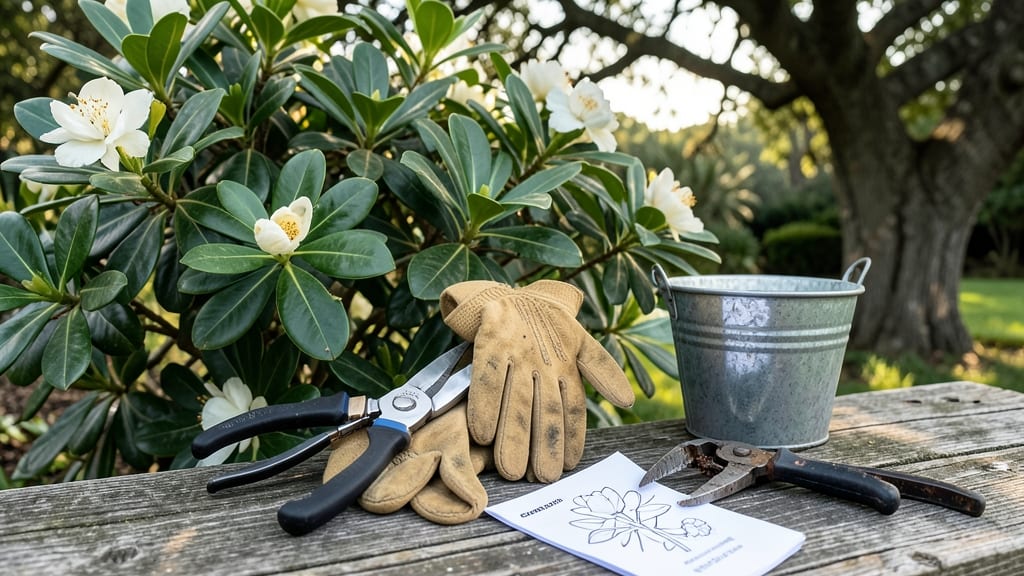
Trimming gardenia bushes after they bloom is the key to next year’s lush, fragrant flowers—and doing it at the wrong time can leave you with sparse blooms or even stressed plants.
Picture this: You’ve spent months admiring your 🌸 gardenia’s creamy white blooms, only to wonder why they’re fading or the bush looks leggy by summer. The answer lies in timing—prune too early, and you risk cutting off next season’s flower buds.
Too late, and you’re left with a messy, overgrown shrub.
Most gardeners in USDA Zone 6a (and warmer regions) should wait until late summer or early fall, after the last blooms have dropped. This gives your gardenia time to set buds for spring while keeping the shape tidy.
But climate makes all the difference—southern growers might trim even later, while cooler zones could prune in early spring.
In this guide, I’ll walk you through the exact steps, tools, and regional tweaks to time your pruning perfectly—so you’re left with a bush that’s both healthy and bursting with blooms next season.
Best time to prune gardenia bushes for maximum blooms
If your gardenia bushes aren’t blooming as heavily as you’d like, the issue might be pruning timing. Unlike many shrubs, gardenias bloom on old wood, meaning last year’s growth produces this year’s flowers.
Pruning at the wrong time can stunt next year’s blooms or even harm your plant. The key is to prune after flowering but before new growth hardens—typically in late summer or early fall.
Most gardeners make the mistake of pruning in late winter or early spring, which removes the flower buds already forming on old wood. This can leave you with bare branches come next blooming season.
Understanding your climate zone is also crucial—gardenias in warmer zones (8-11) may need pruning slightly earlier than those in cooler zones (6-7).
🌸
| Climate Zone | Best Pruning Window | Why This Timing? | Avoid Pruning When |
|---|---|---|---|
| Zones 6-7 (Cooler) | Late August to early September | Allows buds to set for next spring blooms | Winter (Jan-Feb) or early spring (March) |
| Zones 8-11 (Warmer) | September to early October | Encourages fall regrowth before dormancy | Summer (June-July) or late fall (Nov-Dec) |
| All Zones (Post-Bloom) | After flowers fade (4-6 weeks post-bloom) | Prevents cutting off next year’s flower buds | During active blooming season (April-June) |
In USDA zones 6-7, where winters are cooler, aim to prune between late August and early September. This timing ensures that the plant has enough time to set buds for next year’s blooms before the first frost.
For warmer zones (8-11), prune slightly later, around September to early October, to avoid encouraging tender new growth that might not survive winter.
One common misconception is that gardenias should be pruned in early spring like many other shrubs. However, doing so removes the flower buds that formed on last year’s growth. Instead, wait until after the plant has finished blooming—usually by mid-to-late summer—before making any cuts.
This gives your gardenia time to recover and prepare for the next blooming cycle.
If you live in a tropical or subtropical climate, your gardenia may bloom year-round or have multiple blooming cycles. In these cases, prune lightly after each flush of flowers to maintain shape without sacrificing future blooms.
Always use sterilized pruning shears to prevent disease spread, especially if your gardenia has been affected by powdery mildew or bacterial blight.
After pruning, give your gardenia a light fertilizer application with an acidic formula (pH 5.0-6.5) to encourage new growth. Avoid heavy fertilizing in late summer, as this can promote tender shoots that may not survive winter in cooler climates.
Instead, focus on well-draining soil and consistent moisture to help your gardenia recover and prepare for next season’s blooms.
If you miss the ideal pruning window, don’t panic. A light pruning in early fall is still better than waiting until winter. Just avoid heavy pruning, as this can stress the plant and reduce next year’s flower production.
With the right timing and care, your gardenia will reward you with vibrant, fragrant blooms year after year.
🌿
Step-by-step pruning guide: how to trim gardenia bushes correctly
Pruning your gardenia bushes is essential for maintaining their shape, encouraging healthy growth, and promoting abundant spring blooms. But timing and technique matter—cutting at the wrong time or too aggressively can stress the plant and reduce flowering.
Let’s walk through the step-by-step process to trim your gardenias like a pro, ensuring they thrive for years to come.
Before you start, gather your pruning tools. You’ll need a pair of sharp bypass pruners for clean cuts on smaller branches and a pruning saw for thicker stems. Disinfect your tools with rubbing alcohol to prevent spreading disease between cuts.
Always wear gloves—gardenia leaves can irritate skin, and the thorns are sharp!
Now, let’s focus on the key steps to prune your gardenia correctly. The goal is to remove dead or diseased branches, shape the bush, and open up the center for better air circulation and light penetration. Here’s how to do it right:
Identify and Remove Dead/Diseased Branches
Start by inspecting your gardenia for dead or diseased branches. Look for branches that are brown and brittle, lack leaves, or show signs of fungal infections (like black spots or mold). Cut these back to the main stem or nearest healthy growth.
Shape the Bush for Airflow
Next, shape your gardenia by trimming overcrowded or crossing branches. Aim to create an open, rounded shape to allow sunlight and air to reach the center. This reduces humidity buildup, which can lead to powdery mildew or other diseases.
Cut Just Above a Leaf Node
When trimming, always make your cuts just above a leaf node (the bump where leaves or branches grow). This encourages new growth in the right direction. Avoid cutting too close to the stem—leave at least 1/4 inch to prevent damage.
Avoid Over-Pruning
Never remove more than 1/3 of the plant’s foliage in a single pruning session. Over-pruning can shock the gardenia and lead to fewer blooms the following year. If your bush is severely overgrown, space pruning over 2-3 years to avoid stressing the plant.
Clean Up and Fertilize
After pruning, remove all clippings from the area to prevent pests or diseases from lingering. Then, apply a balanced, acidic fertilizer (like 10-10-10) to help the gardenia recover and prepare for next year’s growth. Water deeply to help the roots absorb the nutrients.
One of the biggest mistakes gardeners make is pruning at the wrong time. For gardenias, late summer or early fall (after blooming) is ideal.
Pruning in late winter or early spring can remove next year’s flower buds, while pruning in summer can stress the plant during its peak growth period. Always wait until after the blooming season to avoid disappointing results.
With these steps, your gardenia will stay healthy, lush, and blooming for seasons to come. Just remember: patience and precision are key—your gardenia will reward you with fragrant, beautiful flowers if you give it the right care! 🌸