
Watering
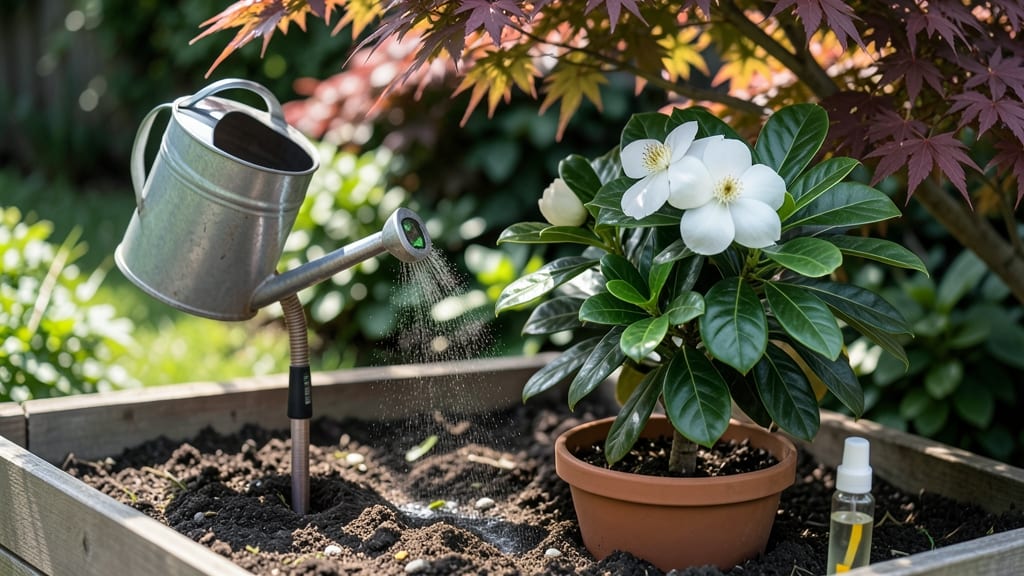
Gardenia plants need about 1-2 inches of water per week to thrive, but getting that right makes all the difference between fragrant blooms and a sad, wilted shrub.
Struggling to keep your gardenias thriving with fragrant blooms? Overwatering or underwatering can turn your prized shrubs into a sad, wilted mess—here’s the exact watering schedule they crave.
These tropical beauties 🌸 love moisture but hate soggy roots, which means checking soil moisture before watering is the key. In hot summers, you might need to water every 2-3 days, while cooler months can stretch that to once a week.
Below, I’ll break down the perfect watering routine for your gardenia’s needs, including how to spot signs of thirst or too much love—and how to fix them fast.
Gardenia watering requirements: how much and when to water for optimal growth
Gardenia plants thrive on consistent moisture but despise soggy roots—balancing these needs is key to those fragrant blooms you adore. Unlike drought-tolerant shrubs, gardenias demand regular hydration while requiring excellent drainage to prevent root rot.
The secret lies in understanding their seasonal watering needs, which shift dramatically from summer's heat to winter's dormancy.
I’ve learned the hard way that overwatering causes yellowing leaves and bud drop, while underwatering leads to wilted foliage and stunted growth. The solution? A seasonal watering schedule paired with simple soil checks.
Let’s break down exactly how much water gardenias need—and when—to keep them lush, healthy, and blooming all season.
In spring, gardenias wake up from dormancy and need frequent watering to support new growth. Aim for 1-1.5 gallons every 2-3 days, ensuring the top 2-3 inches of soil stay moist. This is when you’ll see those first glossy buds form—don’t let them dry out!
I test soil moisture by sticking my finger 2 inches deep; if it feels dry, it’s time to water.
Summer brings the highest water demands due to heat and evaporation. Water gardenias daily or every other day with 1.5-2 gallons per session, focusing on the root zone (not the leaves).
Morning watering is critical—it prevents fungal issues from wet foliage and gives roots time to absorb moisture before the sun peaks. Mulch helps retain moisture, reducing the need for frequent watering.
As fall arrives, gardenias prepare for dormancy, so reduce watering to every 3-4 days with 1 gallon per session. The goal shifts from keeping soil moist to letting it dry slightly between waterings.
Watch for yellowing leaves, which often signal overwatering—a common mistake in cooler months when plants need less hydration.
Winter care is minimal: water bi-weekly with just 0.5-1 gallon to maintain slightly dry soil at the surface. Overwatering in winter stresses roots and can lead to bud drop.
If your gardenia is in a container, it’ll dry out faster than in-ground plants—check soil moisture daily during indoor winter heating.
To test soil moisture like a pro, use the "finger test": push your index finger 2 inches deep into the soil. If it feels dry, water deeply. If it’s still damp, wait another day.
For container gardenias, lift the pot—if it feels light, it’s time to water. Yellowing leaves or dropping buds are red flags: adjust your schedule immediately.
Pro tip: Water at the base of the plant, avoiding the leaves to prevent fungal diseases like powdery mildew. Use a soaker hose or drip irrigation for even moisture distribution.
And always ensure your gardenia’s pot has drainage holes—no exceptions! With this seasonal approach, your gardenias will reward you with abundant, fragrant blooms all season. 🌸
Weekly watering schedule for gardenias: step-by-step guide to perfect hydration
Gardenia plants thrive when given the right amount of water, but their needs change with the season, climate, and whether they’re in containers or planted in the ground. Too little water causes buds to drop, while too much leads to root rot—neither helps your fragrant blooms.
Let’s break down the perfect weekly watering schedule tailored to your gardenia’s environment.
First, check your local climate. In humid regions like Florida or Louisiana, gardenias need less frequent watering because moisture lingers in the air. Meanwhile, in arid climates like Arizona or California, you’ll water more often to compensate for evaporation.
Containers also dry out faster than in-ground plants, so they need more attention. Let’s get into the specifics.
- 1 In-Ground Gardenias (Humid Climate): Water 2-3 times per week (1-2 inches per session). Use your finger to test soil moisture—if the top 1-2 inches are dry, it’s time to water.
- 2 In-Ground Gardenias (Arid Climate): Water daily or every other day (1-2 inches per session). Mulch heavily to retain moisture and reduce evaporation.
- 3 Container Gardenias (Any Climate): Water every 1-2 days in summer or daily if potted soil feels dry. Containers dry out 3x faster than in-ground plants.
- 4 Mulched Soil (All Climates): Reduce watering by 30%. Mulch retains moisture, so check soil 1 inch deep before watering instead of 2 inches.
- 5 Seasonal Adjustments: Summer = daily or every other day; Fall = every 3-4 days; Winter = bi-weekly. Always water in the early morning to prevent fungal diseases.
Adjust your schedule based on weather conditions. After a heavy rain, skip watering for a day or two. If your gardenia is in full bloom, increase watering slightly to support those fragrant flowers.
Always water at the base of the plant and avoid wetting the leaves to prevent disease.
Signs of overwatering include yellowing leaves, mushy stems, or a foul smell from the soil. If you see these, let the soil dry out completely before watering again. Underwatering causes buds to drop, crispy leaves, or a wilted appearance.
If your gardenia looks thirsty, give it a deep drink and monitor closely for recovery.
Pro tip: Use a moisture meter or the finger test to avoid guesswork. Stick your finger into the soil—if it feels dry up to your first knuckle, it’s time to water.
Consistency is key for gardenias; they reward you with luxurious blooms when their hydration needs are met just right. 🌸