
Plants
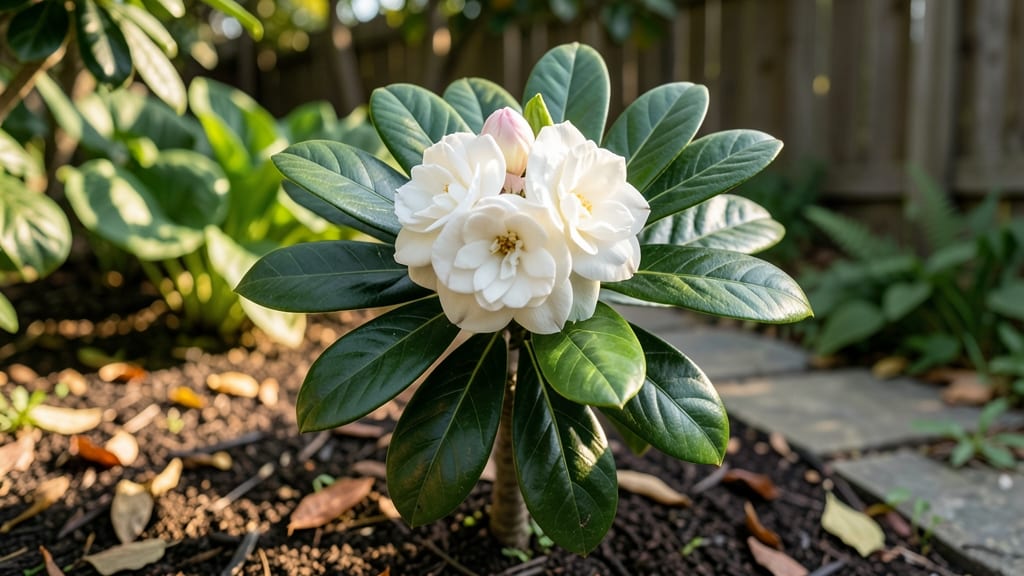
Gardenia plants bloom in late spring to early summer 🌸, but the exact timing depends on your climate zone and care routine.
If you’ve ever waited patiently for those creamy white blooms—only to be met with silence—you’re not alone. Gardenias are picky about when they’ll reward you, and getting the timing wrong can mean weeks (or even months) of frustration.
The key? Understanding how temperature, sunlight, and soil all work together to trigger those fragrant flowers.
In most of the U.S., gardenias burst into bloom between June and August, with July being the peak month for many varieties.
But if you live in warmer zones like 9-11, you might see buds as early as May, while gardeners in cooler areas (6a-7) could wait until August.
The difference comes down to how quickly the plant recovers from winter dormancy and when it gets enough consistent warmth.
Below, I’ll break down the exact bloom windows by zone, share pro tips to encourage earlier flowers, and explain why some gardenias refuse to bloom at all—plus how to fix it. Ready to turn your patience into a fragrant, flower-filled reward?
Gardenias bloom schedule by USDA climate zones: month-by-month guide
Gardenias are famous for their creamy white, intensely fragrant blooms, but their timing varies dramatically based on your USDA climate zone.
In cooler zones like 7-8, gardenias often bloom once in late spring to early summer, while warmer zones 9-11 may enjoy two bloom cycles per year. Understanding these patterns helps you anticipate—and encourage—those show-stopping flowers.
The key factor? Winter chill hours and spring temperature rises. Gardenias need a period of cooler weather to reset their growth cycle, followed by consistent warmth (above 60°F) to trigger bud formation.
In Zone 11, where winters are mild, gardenias may bloom year-round with proper care, while Zone 7 plants might wait until June or July for their main display.
| USDA Zone | Early Blooms | Peak Blooms | Late Blooms | Temperature Trigger |
|---|---|---|---|---|
| 7-8 | Late May | June-July | Early August | 60°F+ for 3+ weeks |
| 9 | April-May | May-June & Sept-Oct | November | 55°F+ for 4+ weeks |
| 10-11 | March-April | April-May & Sept-Oct | December-January | 50°F+ year-round |
*Bloom schedules may shift 2-4 weeks based on microclimates and care practices.
In USDA Zone 7-8, gardenias typically produce a single summer bloom cycle because cooler winters limit their growth. The first buds appear in late May when soil temperatures reach 60°F consistently.
If your gardenia in this zone isn’t blooming by June 15, check for low light or nutrient deficiencies, as these delay flowering.
Warmer zones like 9-11 offer a double bloom advantage. Gardenias here often flower in spring (March-April) and again in fall (September-October). The second bloom cycle is triggered by cooler temperatures in late summer, which signal the plant to reset.
In Zone 11, some gardenias may even produce winter blooms (December-January) if temperatures dip slightly.
Latitude plays a surprising role in bloom timing. Gardenias in northern Zone 7 may bloom 2-3 weeks later than those in southern Zone 8 due to longer winter chill requirements.
For example, a gardenia in Atlanta (Zone 8a) might bloom by late May, while one in Philadelphia (Zone 7b) could wait until June 10. Use your last frost date as a rough guide—blooms usually start 6-8 weeks after frost.
Winter chill hours also matter. Gardenias need 300-600 hours below 45°F to properly rest and prepare for spring blooms. In Zone 10-11, where winters are mild, gardenias may bloom continuously if not given a cooling period.
To encourage seasonal blooms in warm climates, mimic winter by reducing water and fertilizer in late fall for 4-6 weeks.
Light exposure affects bloom timing too. Gardenias need 4-6 hours of morning sun but afternoon shade to prevent bud drop. In Zone 9-11, where summers are intense, east-facing windows or dappled shade help maintain consistent blooming.
If your gardenia receives full southern exposure, expect blooms to shift later due to heat stress.
Soil pH is another critical factor. Gardenias thrive in acidic soil (pH 5.0-6.5). In Zone 7-8, where soils are often alkaline, blooms may be sparser or delayed.
Test your soil in early spring and amend with sulfur or peat moss if needed. Proper pH ensures the plant can absorb nutrients efficiently, which directly impacts bloom production.
Pro tip: If your gardenia blooms too late in the season, try light pruning in early spring to encourage earlier bud formation. Remove 1/3 of last year’s growth just as new shoots emerge.
This trick works best in Zone 7-9 and can advance blooms by 2-3 weeks. Just avoid heavy pruning—it stresses the plant and delays flowering.
Remember, gardenias are notoriously sensitive to sudden changes. If you move a potted gardenia from indoor shade to full sun, expect a delayed bloom schedule as
How to trigger earlier gardenia blooms: proven pruning & care tips
Gardenias naturally bloom in late spring to early summer, but with the right techniques, you can coax those fragrant white flowers to appear 2-4 weeks earlier. The key lies in understanding their growth cycles and adjusting care practices strategically.
For example, in USDA Zone 9, gardenias often bloom in May, but with proper pruning and light management, you could see buds opening as early as mid-April.
Timing matters most when it comes to pruning—this is the single most effective way to manipulate bloom schedules. Most gardeners mistakenly prune after blooming, which actually stimulates new growth but delays next year’s flowers.
Instead, focus on light pruning in late winter to encourage earlier bud formation. This small adjustment can shift your gardenia’s bloom window by several weeks, giving you those coveted flowers sooner.
⚠️ WARNING: Common Mistake That Delays Blooms ⚠️ Gardenias need 6-8 weeks of cool weather (below 75°F) to set buds properly.
If you live in a warm climate like Zone 10-11, forcing early blooms by aggressive pruning or over-fertilizing can backfire—leading to small, sparse flowers or no blooms at all. The plant interprets these signals as stress rather than a natural cycle.
Always match your care routine to your local climate patterns, not just what works in cooler regions.
To encourage earlier blooms, start with light pruning in late January or February—just enough to remove any dead or crossing branches. Avoid heavy cuts, as this stimulates leafy growth at the expense of flowers. Pair this with a balanced fertilizer (10-10-10) applied in early spring to support bud development.
For container gardenias, move them to a slightly cooler location (like a shaded patio) for 4-6 weeks before their usual bloom time to mimic natural temperature drops.
Light exposure plays a critical role too. Gardenias thrive in morning sun and afternoon shade, but if your plant isn’t getting enough light, it won’t produce buds. In low-light conditions, supplement with a grow light for 4-6 hours daily during winter months.
This extra light trick tells the plant it’s time to shift from vegetative growth to flowering. Just be sure to avoid direct afternoon sun, which can scorch the delicate leaves and stress the plant.
Watering habits also influence bloom timing. Gardenias need consistently moist soil, but overwatering in late winter can delay bud formation. Instead, water deeply every 5-7 days in winter, reducing frequency to every 10-14 days once buds appear.
This gradual adjustment helps the plant focus energy on blooming rather than recovering from soggy roots. Mulch around the base with 2-3 inches of organic matter to retain moisture and regulate soil temperature—both of which encourage earlier budding.
Finally, don’t overlook the power of acidic soil. Gardenias thrive in soil with a pH between 5.0 and 6.5. If your soil is alkaline, amend it with sulfur or peat moss in early spring to create the ideal environment for bud formation.
You’ll know you’re on the right track when you see dark green, glossy leaves and tight, green buds forming by late winter—signs that your gardenia is ready to bloom earlier than usual.