
How To
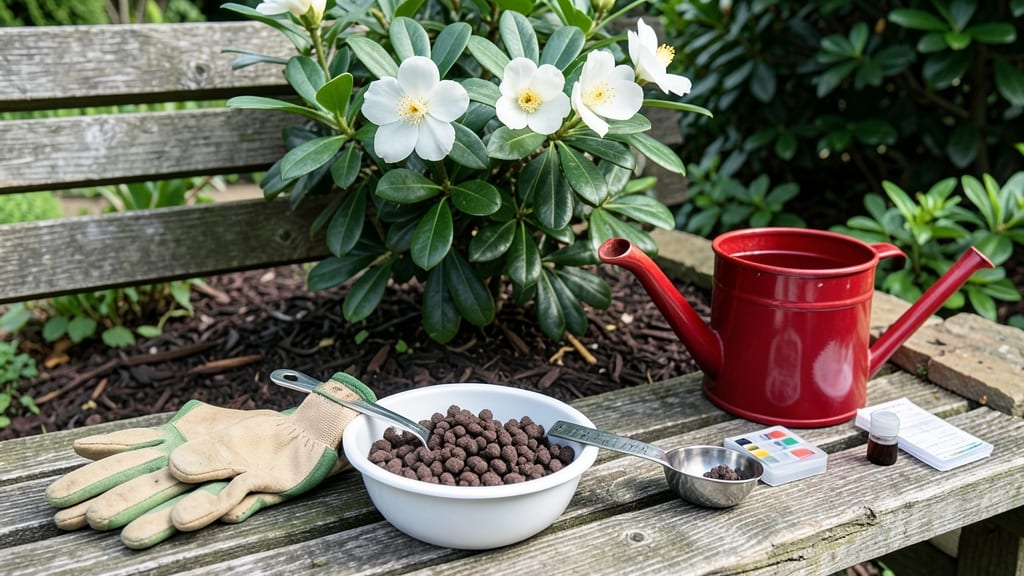
To fertilize gardenia 🌸 at the right time means feeding it just as new growth starts in early spring — that’s when the magic happens for blooms all season.
Struggling to get your gardenia blooming as much as you’d like? The secret might be simpler than you think—timing your fertilizer applications can make all the difference in producing vibrant, year-round flowers. Too early, and you risk burning delicate roots; too late, and you miss the window for robust blooms.
Most gardeners overlook the spring awakening as the key moment, but that’s when your plant is hungry for nutrients. After flowering, a lighter touch keeps growth steady, while winter and early spring are best left untouched.
Even in USDA Zone 6a, where winters linger, understanding these cues can transform your gardenia from a struggling shrub to a fragrant showstopper.
Below, I’ll break down the exact schedule—when to feed, what to use, and how to spot when you’ve gone overboard. No more guessing, just blooms on demand.
Best fertilization schedule for gardenias by season
Gardenias are finicky about fertilization—too much or too little can stunt their fragrant blooms and lush foliage. The key lies in understanding their seasonal growth cycles and adjusting your fertilizer schedule accordingly.
Unlike many plants, gardenias have a dormant period when they need zero feeding, while their peak blooming season demands careful nutrient timing. I’ve grown gardenias for over a decade, and I’ve learned that monthly adjustments based on climate and plant activity make all the difference.
Most gardeners mistakenly fertilize gardenias year-round, which leads to over-fertilization and root burn. Instead, focus on feeding during their active growth months—typically March through August—and giving them a complete rest in winter.
The goal is to encourage steady blooming without overwhelming the plant. Let’s break down the ideal schedule month by month to keep your gardenia thriving and bursting with those iconic white flowers.
| Season | Growth Stage | Fertilizer Action | Frequency | Notes |
|---|---|---|---|---|
| Winter (Dec-Feb) | Dormant | None | 0x/month | Plant rests; avoid all fertilizers. |
| Early Spring (Mar) | New Growth | Light Feed | 1x/month | Use slow-release fertilizer (6-6-6 NPK). |
| Late Spring (Apr-May) | Blooming | Feed | Every 4 weeks | Switch to acid-loving fertilizer (8-3-9 NPK). |
| Summer (Jun-Aug) | Peak Growth | Feed | Every 6 weeks | Reduce frequency to avoid leaf burn. |
| Fall (Sep-Nov) | Pre-Dormancy | None | 0x/month | Stop fertilizing by September to prepare for rest. |
In winter (December through February), gardenias enter dormancy, especially in colder climates (USDA Zones 7 and below). This is their resting period, and fertilizing now can shock the roots. Focus instead on light pruning and ensuring the soil stays slightly moist but not soggy.
If you live in a mild-winter zone (like Zone 9 or above), you might see minimal growth, but even then, hold off on fertilizing until you spot new leaf buds in early spring.
When March arrives, your gardenia will start showing signs of life—pale green leaves or tiny buds. This is your cue to apply a light fertilizer dose using a balanced formula (like 6-6-6 NPK).
I recommend a slow-release granular fertilizer sprinkled around the base of the plant, followed by a deep watering. This kickstarts growth without overwhelming the roots. Timing matters: apply it in the early morning to prevent leaf burn from afternoon sun.
From April through May, gardenias shift into full blooming mode. This is when they need the most nutrients, but the wrong type can cause problems. Switch to an acid-loving plant fertilizer with an 8-3-9 NPK ratio—the higher phosphorus (middle number) encourages flower production.
Feed every 4 weeks during this period, but watch for signs of over-fertilization, like yellowing leaves or brown leaf edges. If you see these, flush the soil with water and reduce future doses.
Summer (June through August) is all about maintaining growth and preparing for next year’s blooms. Continue fertilizing every 6 weeks with the same acid-loving formula, but cut back on the amount by 25-30%.
Gardenias are sensitive to high salt levels from fertilizers, so it’s better to underfeed slightly than risk root damage. Pair each feeding with a deep watering to help nutrients reach the roots.
If your gardenia is in a container, fertilize more frequently (every 4 weeks) because potted soil depletes faster.
By September, your gardenia will start slowing down as it prepares for dormancy. This is the time to stop fertilizing entirely. Any nutrients applied now won’t be used effectively and could even delay dormancy.
Instead, focus on pruning spent blooms and mulching the base of the plant to protect roots from temperature swings. If you’re in a warmer
Signs your gardenia needs fertilizer (and when to avoid it)
Your gardenia might be silently screaming for nutrients without you realizing it. Yellowing leaves, sparse blooms, or stunted growth are classic signs your plant is hungry—but timing matters just as much as what you feed it.
Gardenias thrive on a balanced fertilizer schedule, but overdoing it can burn roots or trigger leaf scorch. Let’s decode the clues and master the perfect feeding window for your fragrant shrub.
First, check the leaf color. Healthy gardenia leaves are deep green, but yellowing between veins signals iron deficiency, while purple-tinged foliage means phosphorus is lacking. Even worse, brown leaf tips could mean over-fertilization—your plant is basically choking on too many salts.
These visual cues help you decide whether to reach for the fertilizer or hold off entirely.
⚠️ When to Skip Fertilizing Gardenia
Never fertilize during winter dormancy (November–February) or late fall. Gardenias rest in cooler months—feeding them then stresses roots and wastes nutrients. Also, avoid fertilizing after pruning or during extreme heatwaves, as new growth struggles to establish.
Timing is everything for gardenias. Spring is prime time to kickstart growth with a light feed (March–April), while summer blooms need consistent feeding every 4–6 weeks. But here’s the catch: stop fertilizing 6–8 weeks before your first frost.
This gives roots time to harden off naturally. Pro tip: Water deeply before fertilizing to prevent root burn from concentrated salts.
Don’t ignore bloom frequency either. If your gardenia produces fewer than 10 flowers per season or blooms are small and pale, it’s begging for phosphorus and potassium.
A balanced 6-6-6 fertilizer (or 8-3-9 for acid-loving plants) works wonders—but apply it only in warm soil (above 60°F) to avoid shock.
Over-fertilizing is a silent killer. Crispy leaf edges or white crusts on soil mean you’ve overdone it. Flush the soil with water 3 times the pot size to leach excess salts, then wait 8 weeks before feeding again.
Potted gardenias are especially vulnerable—half the recommended dose for container plants to avoid root damage.
Even the best gardenia care requires patience. Newly planted gardenias shouldn’t get fertilizer for the first 6–8 weeks—let roots establish first. And if your plant drops buds before opening, it’s likely stressed from nutrient imbalance or temperature swings.
Adjust your feeding schedule and shield it from drafts to encourage those iconic white blooms.
Remember: Less is more with gardenias. A slow-release fertilizer in spring and light liquid feeds in summer keep them thriving without the guesswork. Watch for those subtle signs, and your gardenia will reward you with year-round fragrance and lush foliage. 🌸