
Planting
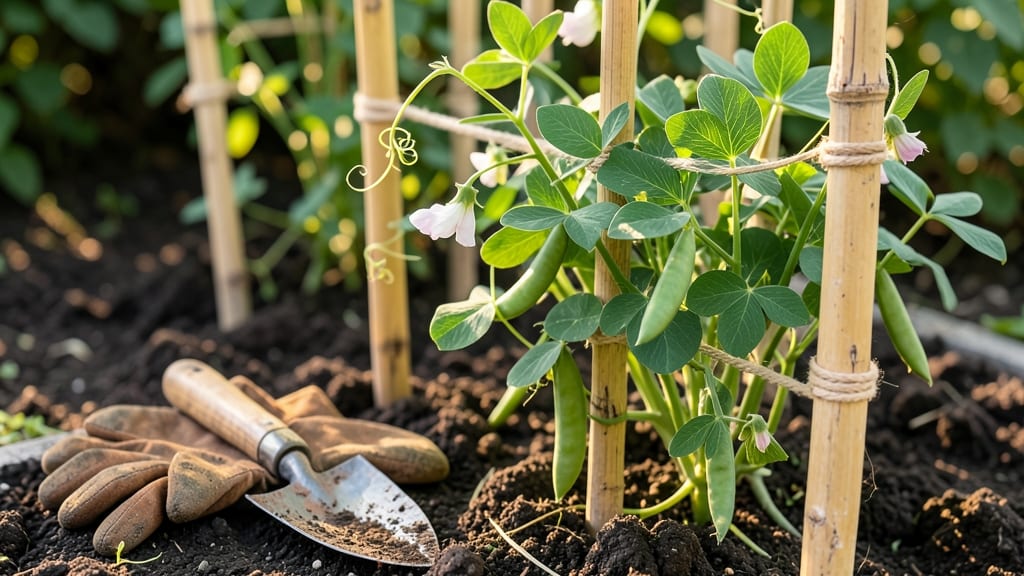
To plant garden peas successfully, aim for early spring or late winter—4-6 weeks before your last frost—when soil temperatures hit 45°F but stay below 80°F.
Garden peas 🌱 thrive in cool weather, but planting them too early or late can ruin your harvest—here’s the exact timing to maximize your 2-week cold-soil window for success.
Most gardeners in USDA Zone 6a (like me) plant peas in March or early April, but the ideal window shifts in warmer climates—think February for mild zones or May for late spring.
Below, I break down the best planting times by region, how to check soil temperature, and which pea varieties work best for your climate to ensure a bountiful harvest.
Best planting times for garden peas by climate Zone
Garden peas (Pisum sativum) are cool-season champions that despise heat—planting them at the wrong time means slow germination or bitter-tasting pods.
The 2-week cold-soil window (45°F-55°F) is critical for success, but your exact timing depends on your USDA hardiness zone and whether you're planting for early spring or fall harvests.
In zones 1-4, you might get two harvests per year, while zones 7-10 can squeeze in one cool-season planting before summer heat arrives.
Peas thrive when daytime highs stay below 75°F—any hotter, and they bolt (flower prematurely). That’s why I always check my last frost date and soil thermometer before dropping seeds.
For example, in Zone 5, I plant 4-6 weeks before last frost (late March), but in Zone 9, I aim for fall planting in September to avoid summer heat. Let’s break it down by zone so you can pinpoint your perfect window.
⚠️ Pro Tip: Use a soil thermometer—peas won’t germinate well in soil colder than 40°F or hotter than 80°F. If your soil is too cold, try black plastic mulch to warm it up faster.
| USDA Zone | Early Spring Planting | Fall Planting | Soil Temp Threshold | Key Notes |
|---|---|---|---|---|
| Zones 1-4 | Late March–Early May (4-6 weeks before last frost) | August–Early September (8-10 weeks before first frost) | 40°F–65°F | Two harvests possible; use cold-hardy varieties like 'Green Arrow' |
| Zones 5-6 | Mid-April–Early June (avoid heat after June 1) | Late August–Mid-September | 45°F–70°F | Fall planting works if nights stay above 50°F; try 'Sugar Snap' |
| Zones 7-8 | Early February–March (cool winter zones only) | September–Early October (primary window) | 50°F–75°F | Spring planting risky; focus on fall harvests with 'Oregon Sugar Pod' |
| Zones 9-10 | None (too warm) | September–November (before 60°F days) | 55°F–65°F | Only fall planting works; use shade cloth in late fall |
🌱 Need your exact zone? Check the USDA Plant Hardiness Zone Map and adjust by 1-2 weeks based on microclimates (e.g., slopes warm faster).
If you’re in Zones 1-4, you’ve got the luxury of two planting windows: early spring and late summer. I always start my spring peas in late March (Zone 5) using black plastic mulch to warm the soil faster.
For fall harvests, I plant 'Wando' peas in August—they mature before frost hits in October. The key is to avoid planting when night temps drop below 35°F, as peas can suffer frost damage.
In warmer zones (7-10), spring planting is a gamble—peas bolt quickly when temps hit 80°F. That’s why I rely on fall planting in September, choosing heat-tolerant varieties like 'Tom Thumb'.
I also use shade cloth in late fall to extend the growing season. Pro tip: In Zone 9, I’ve had success planting under drip irrigation to keep roots cool.
For succession planting, sow seeds every 2 weeks in spring or 3 weeks in fall to stagger your harvest. This ensures you’re always picking fresh pods instead of dealing with a sudden glut.
I like to mark my planting dates on a garden calendar with colored flags—red for spring, blue for fall—to stay organized.
One common mistake I see is planting peas too early in cold soil. If your soil is below 40°F, seeds may rot instead of germinate. To test, stick your finger 2 inches deep—if it feels colder than your wrist, wait a few days.
Another trick? Plant peas with radishes—radishes germinate faster and tell you when the soil is warm enough for peas.
Don’t forget about moon phases! While not scientifically proven, many gardeners (including me) swear by planting peas during the waxing moon for stronger vines. I schedule my spring plantings for the first quarter moon in March, and my fall plantings for the last quarter moon in September.
It’s a small ritual that keeps me connected to the garden’s natural rhythms.
Finally, if you’re in a transition zone (e.g., Zone
How to time pea planting for a 2-Week cold-soil advantage
Garden peas love cool soil—45°F to 55°F is their sweet spot for germination—but planting too early risks frost damage while waiting too long means missed harvests. The key? A 2-week cold-soil window before your last frost date, when soil temps stabilize. Here’s how to nail it every time.
First, check your local frost dates (USDA zone maps are your best friend). Then, test your soil’s temperature with a soil thermometer—peas won’t sprout reliably below 40°F, even if frost isn’t imminent. Combine these with the moon’s root-friendly phases (full moon to last quarter) for extra vigor.
Here’s your step-by-step plan to lock in that perfect 2-week cold-soil window:
Pro tip: If your soil warms too quickly, try shade cloth over seedlings to delay bolting. For northern climates, consider a cold frame to extend the window. Peas planted in this 2-week cold-soil window will germinate faster and resist disease better than late plantings.
Remember, peas are fast growers—they’ll bolt (flower prematurely) if soil temps hit 80°F. By following these steps, you’ll avoid both frost and heat stress, ensuring a steady harvest in just 60-70 days.