
Watering
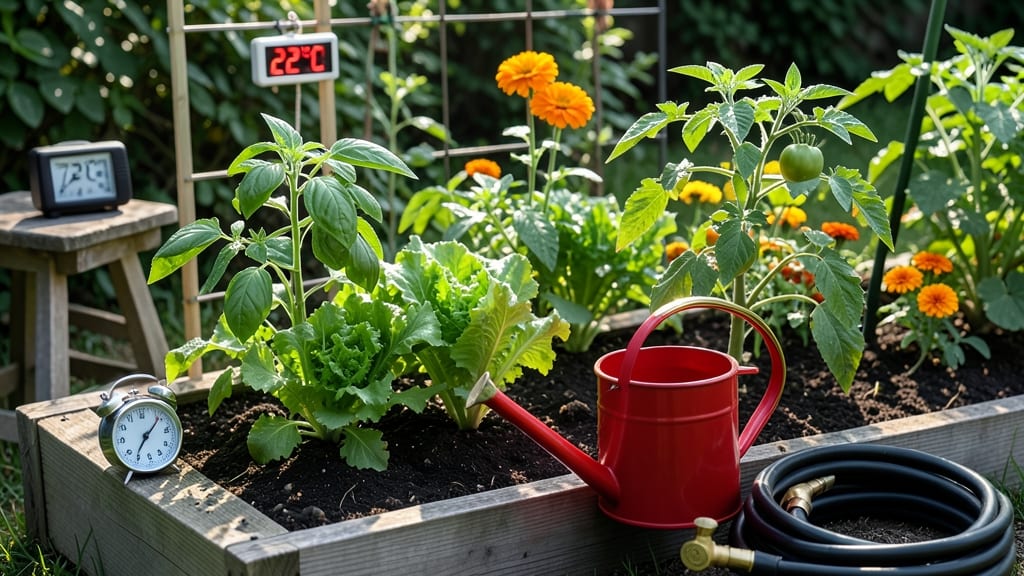
The best time to water a garden is early morning before 10 AM — when evaporation is low and roots absorb moisture most efficiently.
Struggling to keep your garden thriving while wasting water? The when of watering can make the difference between lush plants and wilting disappointment. Too early, and you risk fungal growth; too late, and your water evaporates before it helps. Morning watering solves both problems while saving resources.
For a zero-waste garden in Zone 6, timing matters just as much as how much you water. Deep soaking in the morning ensures roots grow stronger, while avoiding midday splashing prevents water loss.
Whether you’re growing vegetables or flowers, this simple shift can cut your water use by up to 30%.
In this guide, I’ll break down the science behind morning watering, how to adjust for your local climate, and the key signs your garden is getting just the right amount—no guesswork required.
Why morning watering maximizes plant health and reduces waste
Watering your garden at the right time isn't just about convenience—it's a science-backed strategy that boosts plant health and cuts waste. When you water in the early morning hours, you're leveraging cooler temperatures and lower wind speeds to maximize water absorption.
This simple shift can mean the difference between thriving roots and wasted resources, especially during hot summers.
Most gardeners unknowingly waste up to 30% of their water by watering at the wrong time. Midday sun causes rapid evaporation, while evening watering leaves foliage damp overnight—perfect conditions for fungal diseases like powdery mildew.
Morning watering solves both problems while giving your plants a hydration head start for the day ahead.
Here's how morning watering benefits your garden:
| Benefit | Why It Matters | Water Savings |
|---|---|---|
| Cooler temperatures | Reduces evaporation by 40-50% compared to midday watering | Up to 30% less water wasted |
| Lower wind speeds | Minimizes water splashing and drift, keeping moisture where plants need it | 20% better retention in soil |
| Disease prevention | Foliage dries quickly, reducing fungal growth by 60% | Healthier plants = long-term water efficiency |
| Root development | Encourages deeper root growth by 25-30% for drought resilience | Plants need less frequent watering over time |
| Pest control | Dries out slug and snail habitats, reducing damage | Fewer pests = less plant stress and water use |
The best morning watering window is between 6:00 AM and 10:00 AM, when temperatures are still cool and dew hasn't fully evaporated. This timing ensures water penetrates the soil rather than evaporating immediately.
For container gardens, morning watering is even more critical since pots dry out faster than in-ground soil.
Morning watering aligns perfectly with zero-waste gardening principles by reducing runoff and ensuring every drop reaches your plants' roots. Studies show gardens watered in the morning use 25% less water annually compared to evening watering. This efficiency becomes even more valuable during drought conditions, where conservation is crucial.
Don't forget that mulch plays a supporting role in morning watering success. A 2-3 inch layer of organic mulch helps retain moisture longer, reducing how often you need to water. Pairing morning watering with proper mulching can cut your water usage by an additional 15-20% while suppressing weeds.
For vegetable gardens, morning watering ensures plants have moisture when they need it most—during their peak growth periods in the afternoon. Tomatoes, peppers, and leafy greens all benefit from this routine, producing higher yields with fewer resources.
The same principle applies to flower beds, where consistent morning hydration keeps blooms vibrant and healthy.
If you're new to morning watering, start by adjusting your schedule just one hour earlier each week until you reach your ideal 6-10 AM window. Use a rain gauge to track how much water your garden actually needs, and adjust your timing based on local weather patterns.
With this approach, you'll see healthier plants and lower water bills in just a few weeks.
Remember that seasonal adjustments may be needed. In winter, you might water slightly later in the morning when temperatures are coldest, while summer may require earlier watering to beat the rising heat. The key is observing your garden's response and making small, data-driven adjustments.
By making morning watering your standard practice, you're not just saving water—you're creating a healthier ecosystem where plants thrive with minimal waste. It's a simple change with profound results for both your garden and the environment. 🌱☀️💧
Optimal morning watering schedule by plant type and climate
Timing your watering routine isn't just about convenience—it's about maximizing plant health while conserving water. Morning watering gives roots a full day to absorb moisture before the heat of afternoon sun causes evaporation.
But not all plants or climates thrive on the same schedule. Let’s break down the ideal morning watering windows for your garden’s specific needs.
Your local climate zone and plant types dictate the perfect watering time. For example, arid regions need early morning watering to prevent rapid evaporation, while humid climates can extend the window slightly later.
Even within morning hours, vegetables like tomatoes benefit from watering at dawn, while shrubs and perennials can handle slightly later morning watering without stress.
Water shallow-rooted veggies (lettuce, herbs) and annual flowers immediately after sunrise. Soil stays cooler, reducing evaporation by up to 30%.
Ideal for shrubs, trees, and perennials. Watering by 9 AM ensures foliage dries before evening humidity, reducing fungal risks like powdery mildew.
Best for tropical plants (hibiscus, ferns) and deep-rooted veggies (carrots, potatoes). Later morning allows soil to warm slightly, aiding microbial activity.
If your mornings are foggy or windy, delay watering until after 8 AM to avoid leaf burn from droplets acting like magnifying glasses.
For vegetable gardens, prioritize watering leafy greens and root crops earliest in the morning. These plants have shallow root systems and need consistent moisture. A deep soak at 6 AM ensures they’re hydrated for the day’s heat.
Conversely, fruit-bearing plants like tomatoes or peppers can handle watering slightly later—around 7:30–8:30 AM—since their deeper roots store moisture longer.
In humid climates, extend your watering window to 10 AM to avoid prolonged leaf wetness, which fuels fungal diseases. Use a rain gauge to track natural precipitation—if you’ve had 0.5 inches of rain in the past 24 hours, skip morning watering entirely.
For container gardens, water containers before 8 AM to prevent soil from overheating and drying out too quickly.
Pro tip: Mulch your garden after morning watering to lock in moisture. A 2–3 inch layer of mulch can reduce evaporation by up to 50% and keep roots cool. Pair this with a drip irrigation system set to run for 20–30 minutes daily for consistent, waste-free hydration.
Adjust your schedule seasonally—spring and fall may require less frequent watering than peak summer.
Remember, the golden rule is to water when soil is cool and evaporation is minimal. Stick to these guidelines, and you’ll see healthier plants, fewer pests, and a thriving garden—without a drop of waste. 🌱