
How To
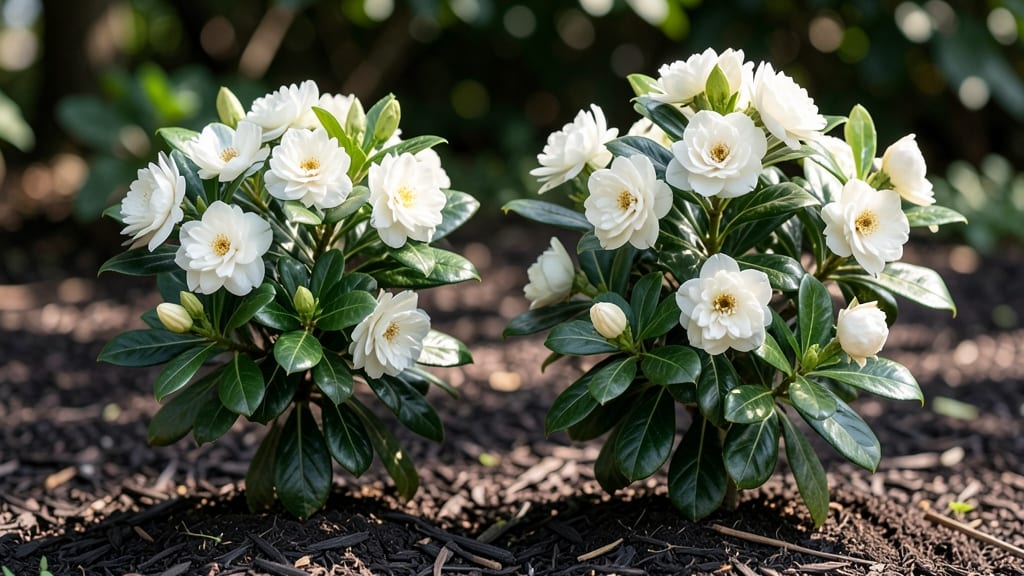
Gardenias grow to heights of 3 to 6 feet at maturity, with some varieties staying compact while others reach small-tree proportions — and knowing the exact size helps you plan your garden without surprises.
If you're dreaming of fragrant, glossy gardenias 🌸 but worried about whether they’ll overwhelm your garden space, you’re not alone. Many gardeners underestimate their growth potential, especially when choosing between dwarf types for containers and larger shrubs for landscape borders.
The key to managing their size lies in variety selection: compact types like 'Dwarf Radicans' max out at 2 to 3 feet, while standard shrubs like 'Fortuniana' can stretch to 6 feet or taller. Pruning and sunlight exposure also play a role in keeping them in check.
In this guide, I’ll break down the exact height and spread ranges by variety, share spacing tips for outdoor planting, and reveal how to control growth naturally—so you can enjoy their intoxicating blooms without the space headaches.
Gardenia size by variety: height and spread measurements
When I first brought home a gardenia plant, I assumed all varieties would grow into large shrubs. But after researching, I discovered gardenias come in stunning size variations, from tiny patio dwarfs to towering landscape stars.
Knowing these dimensions helps you choose the perfect variety for your space—whether it's a balcony container or a backyard privacy screen. Let’s explore the exact height and spread measurements for popular gardenia cultivars so you can plan your garden with confidence.
The mature size of gardenias depends entirely on the variety. Some stay under 3 feet tall, perfect for small gardens or containers, while others reach 6 feet or more, making them ideal for hedges or focal points.
Even within the same species, like Gardenia jasminoides, growth habits can differ dramatically. For example, the 'Radicans' type grows as a sprawling vine, while 'Kleim’s Hardy' stays compact. Understanding these differences ensures you select a plant that fits your vision—and your space.
| Variety | Mature Height (ft) | Mature Spread (ft) | Growth Habit | Best For |
|---|---|---|---|---|
| 'Kleim’s Hardy' | 3–4 ft | 3–4 ft | Compact shrub | Patio containers, small gardens |
| 'Radicans' | 2–3 ft (vining) | 4–6 ft (sprawling) | Trailing vine | Trellises, hanging baskets |
| 'Fortuniana' | 6–8 ft | 5–7 ft | Large shrub/tree | Privacy screens, large landscapes |
| 'Veitchii' | 4–5 ft | 3–4 ft | Upright shrub | Borders, foundation plantings |
| 'Dwarf Radicans' | 1.5–2.5 ft | 2–3 ft | Compact trailing | Balconies, window boxes |
| 'Cavendishii' | 5–6 ft | 4–5 ft | Tall shrub | Hedges, large garden beds |
If you're working with limited space, the 'Dwarf Radicans' or 'Kleim’s Hardy' are my top picks. Both stay under 3 feet tall and thrive in containers or small gardens. Their trailing or compact growth habits make them perfect for adding fragrance to patios or balconies without taking over.
I once planted a 'Kleim’s Hardy' in a 15-gallon pot on my deck, and it’s now a bloom-covered centerpiece that fills the air with its signature scent.
For larger landscapes, varieties like 'Fortuniana' or 'Cavendishii' deliver dramatic results. These can reach 6–8 feet tall, making them ideal for privacy hedges or backyard focal points. However, their wide spread means you’ll need to plan for at least 5–7 feet of space around them.
I used a 'Fortuniana' to create a fragrant living wall along my property line, and it’s now a neighborhood conversation starter.
The growth rate of gardenias also varies by variety. Dwarf types like 'Dwarf Radicans' grow about 6–12 inches per year, while larger varieties like 'Fortuniana' can add 1–2 feet annually.
This means a 3-year-old 'Fortuniana' could already be 4–5 feet tall, so plan accordingly if you’re impatient for blooms. Patience pays off, though—once established, these plants reward you with months of fragrant flowers.
One common misconception is that all gardenias need full sun. While they do love light, their size can be influenced by sunlight exposure. Too much direct sun can lead to faster but leggier growth, while partial shade often results in a more compact, bushier plant.
I’ve found that 'Veitchii', which naturally grows 4–5 feet tall, stays even more manageable with morning sun and afternoon shade. This simple adjustment can help control size without pruning.
When planning your garden, consider not just the height but also the spread of each variety. For example, the 'Radicans' vine can spread
How to control gardenia size naturally: pruning and care tips
If your gardenia is growing taller than expected or spreading too wide, don’t panic—you can naturally control its size with the right techniques. Gardenias respond well to pruning, soil adjustments, and seasonal care to maintain your desired shape without sacrificing those prized blooms.
The key is timing and precision, especially since gardenias bloom on new wood (current season’s growth).
Start by understanding that gardenias grow 12-24 inches per year under ideal conditions, but this rate can be slowed with proper care. For example, a 'Veitchii' variety might reach 6 feet tall if unchecked, while a 'Radicans' stays compact at 3-4 feet.
The difference? Pruning frequency and soil management. Let’s break down how to keep your gardenia in check while maximizing those fragrant flowers.
🌿 5 Key Tips to Control Gardenia Size
- 📏 Prune after blooming (late summer/early fall) to shape growth without cutting off next year’s flowers.
- ✂️ Cut back 1/3 of growth annually to encourage bushier, denser foliage and smaller overall size.
- 🌱 Use dwarf varieties like 'Dwarf Radicans' (2-3 ft tall) for containers or small gardens.
- 💧 Water deeply but less frequently—overwatering can lead to rapid, leggy growth.
- 🌡️ Plant in partial shade (4-6 hours of morning sun) to slow stretching toward light.
When pruning, always use clean, sharp shears to avoid tearing branches, which can invite disease. Focus on removing overly long stems or crossing branches that disrupt airflow. For a compact shape, prune just above a leaf node or bud to encourage branching.
Avoid heavy pruning in spring, as this can delay blooming—gardenias need time to recover before their summer flower show.
Soil plays a crucial role in controlling growth. Gardenias thrive in acidic, well-draining soil with a pH of 4.5-6.0. If your soil is too alkaline, amend it with peat moss or sulfur to slow growth and improve bloom production.
Over-fertilizing with high-nitrogen feeds can also lead to lush foliage but fewer flowers, so opt for a balanced 10-10-10 fertilizer applied lightly in spring and summer.
Seasonal care is another game-changer. In winter, reduce watering and avoid pruning—gardenias are semi-dormant and need to conserve energy. In spring, focus on mulching around the base to retain moisture and regulate root temperature.
And in summer, provide afternoon shade to prevent heat stress, which can stunt growth or cause leaf drop. A little extra attention here keeps your gardenia healthy and manageable.
For container gardeners, choose pots that are 12-18 inches wide for standard varieties or 8-10 inches for dwarfs. Root-bound gardenias grow slower, so repot every 2-3 years in early spring using fresh, acidic potting mix.
If you notice yellowing leaves, it’s often a sign of overwatering or poor drainage, both of which can lead to uncontrolled growth. Adjust your watering schedule to keep soil consistently moist but not soggy.