I’ve always had a soft spot for the quiet magic of a thriving garden—whether it’s the first green shoots of spring or the golden glow of tomatoes in late summer. My childhood was spent chasing fireflies in my grandma’s backyard in Ohio, where she grew everything from heirloom beans to sunflowers taller than me. Now, I’m here to share the joy of gardening, from choosing the right seeds to troubleshooting pests with a smile. Think of this site as a virtual greenhouse for anyone eager to dig in and grow.
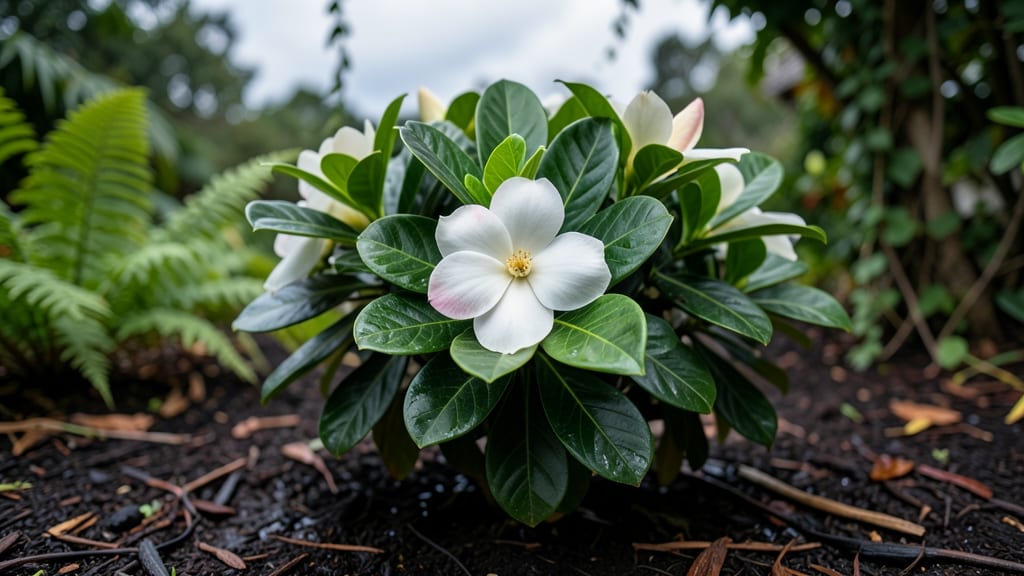
💥 Quick Answer Gardenias bloom in late spring through summer, typically from May to July, though timing varies by climate—warmer regions may see flowers as early as April or extend blooms into early fall. Proper…
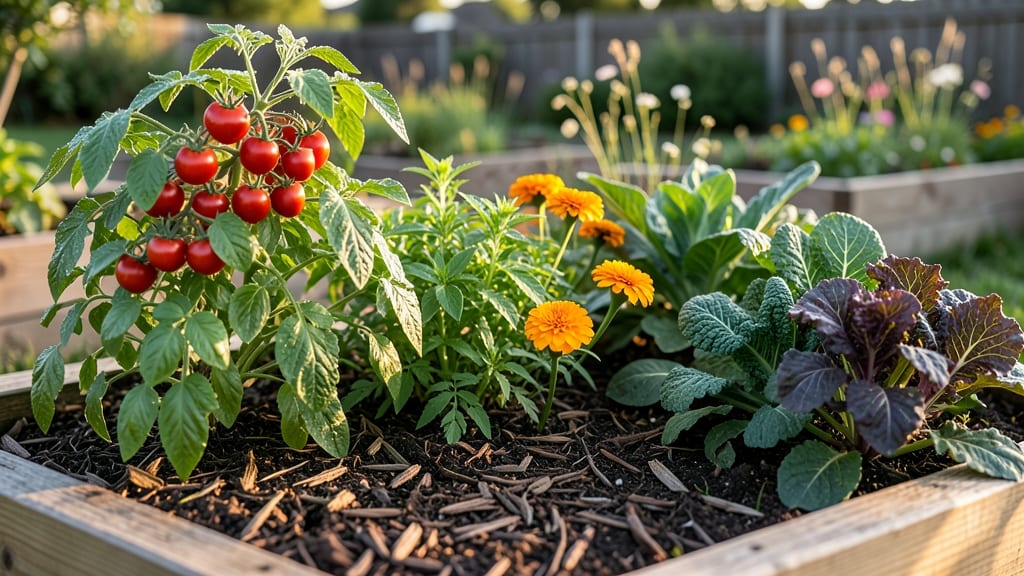
💥 Quick Answer Human gardens exist because they fulfill deep biological, cultural, and emotional needs—from securing food supplies in early civilizations to providing modern-day stress relief and community connection…
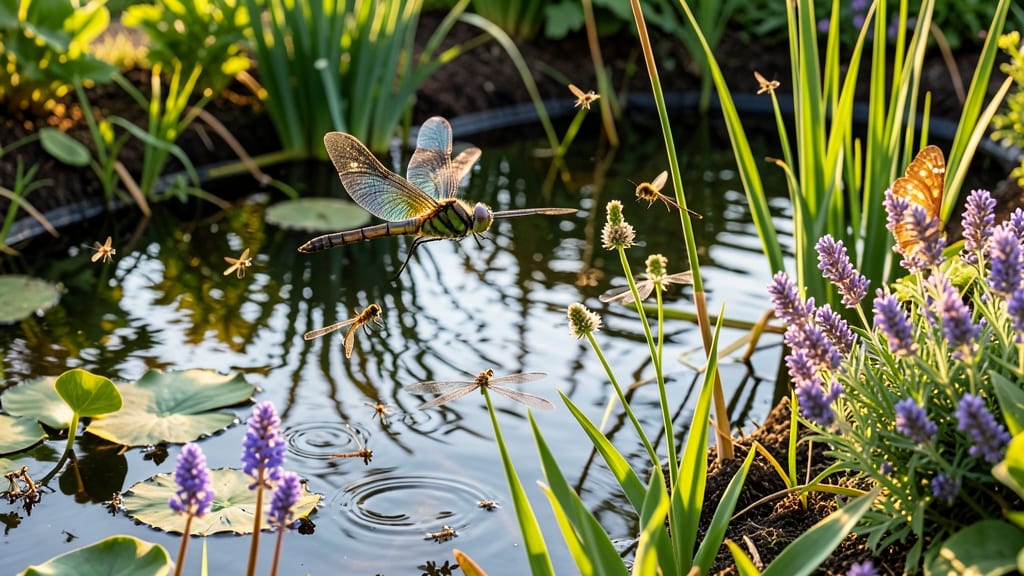
💥 Quick Answer Dragonflies are good for the garden because they act as natural pest controllers by consuming mosquitoes, gnats, and other flying insects, all while supporting a healthy ecosystem without needing any…
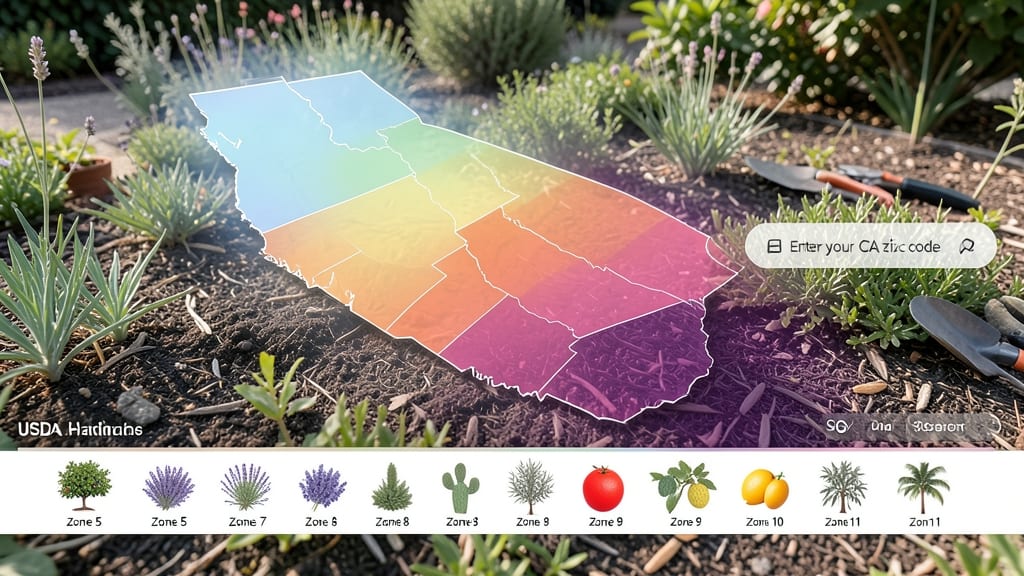
💥 Quick Answer California's gardening zones by zip code span from 5a to 11b, with coastal regions usually falling between 7-10 and inland valleys often reaching 9-11. For accurate planting advice, consult the USDA Plant…
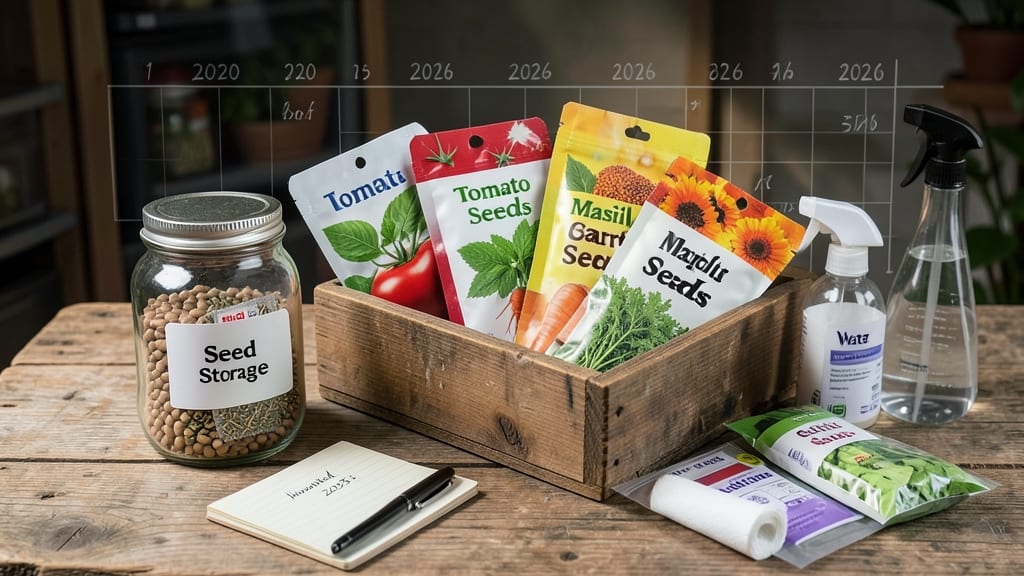
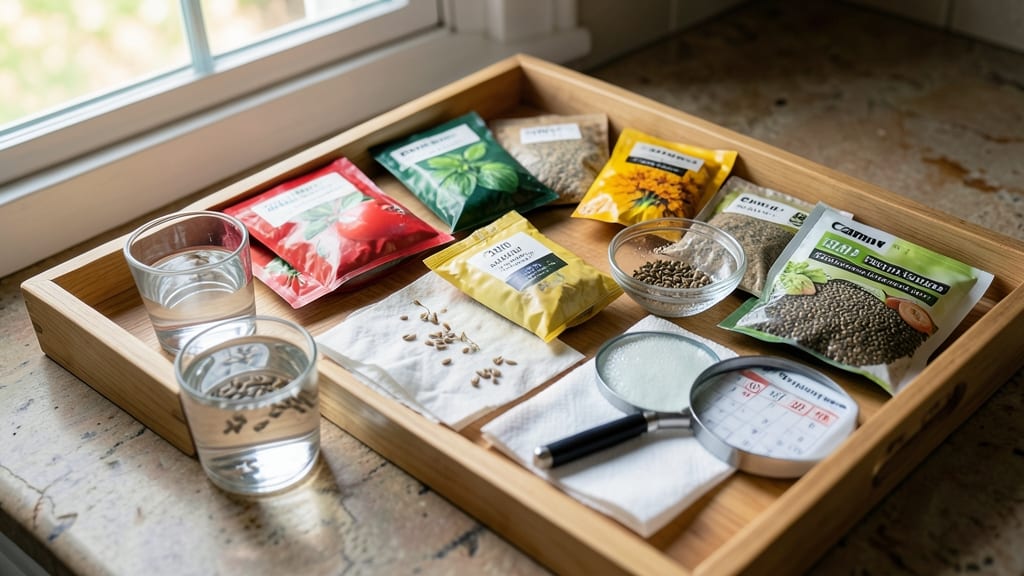
💥 Quick Answer Garden seeds typically remain viable for 1 to 5 years , depending on seed type—vegetable seeds like tomatoes and peppers last 1–3 years, while hardy varieties such as beans and peas can stay good for 3–5…
💥 Quick Answer Garden seeds do go bad over time, with most losing viability within 1-5 years depending on seed type, moisture exposure, and storage conditions. Properly stored seeds in cool, dry environments retain…
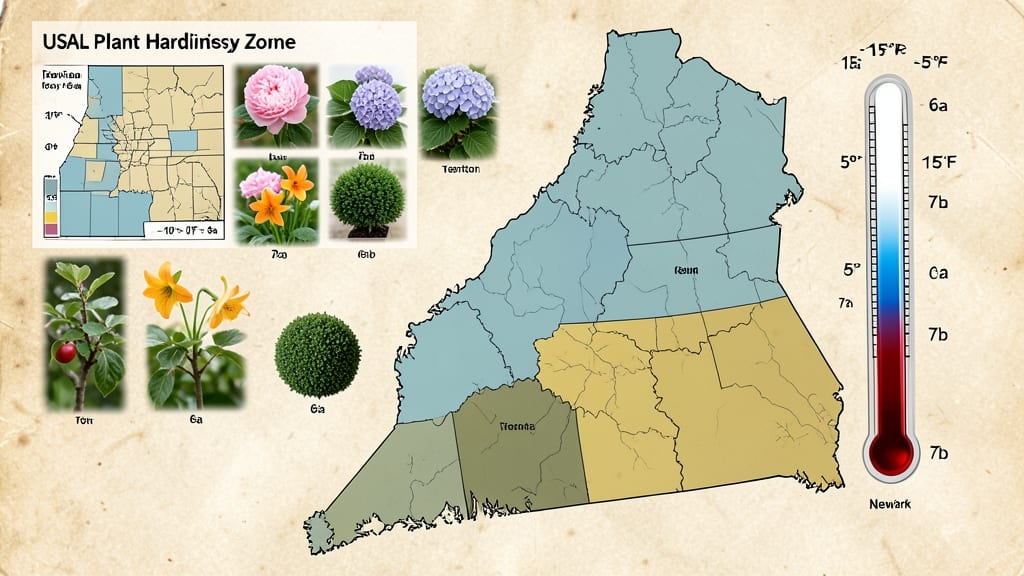
💥 Quick Answer New Jersey's gardening zones range from 6a to 7b, with most areas falling between 6b and 7a. Coastal regions typically experience Zone 7a's milder winters, while northern inland areas lean toward Zone…
💥 Quick Answer A garden bathtub is a repurposed tub or basin creatively converted into an outdoor planter, offering a unique way to grow plants in small spaces like patios or balconies. These containers often include…
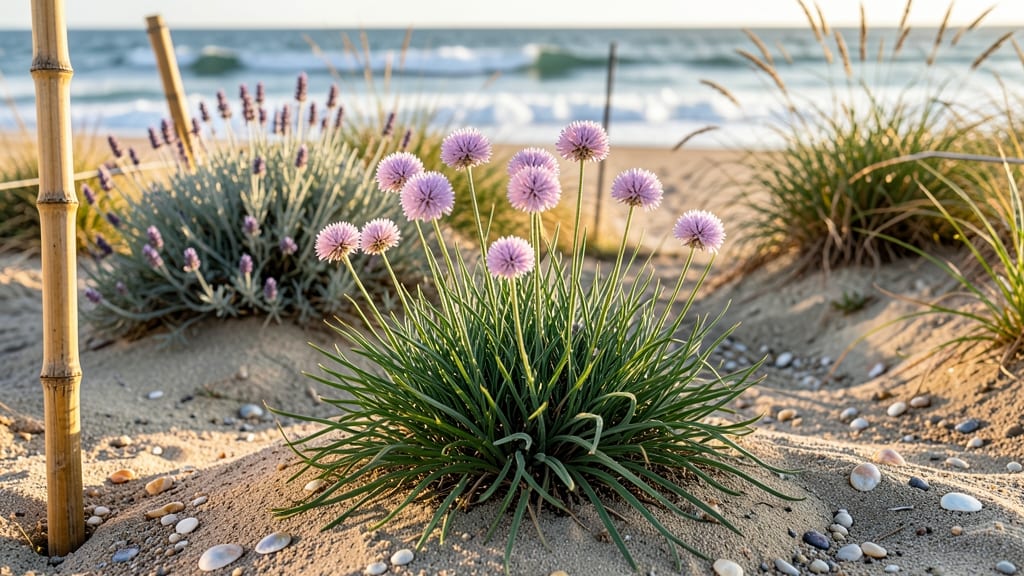
💥 Quick Answer For seaside gardens, salt-tolerant plants like sea oats, beach grass, and saltmarsh cordgrass handle wind, salt spray, and sandy soil effortlessly. Add drought-resistant varieties such as yucca, rosemary…
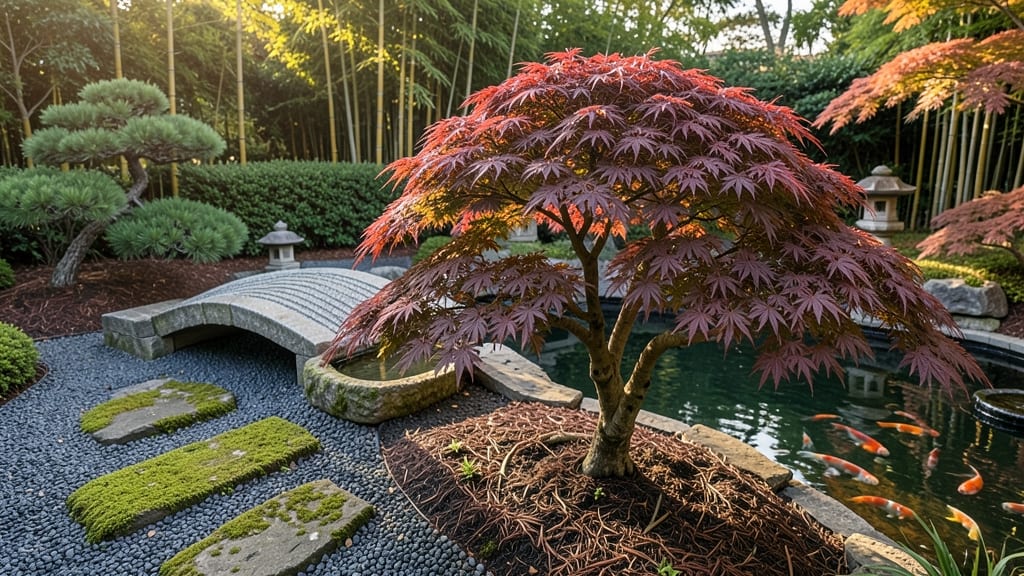
💥 Quick Answer A Japanese garden in Los Angeles transforms city stress into tranquil retreats, with standout spots like the Huntington’s Japanese Garden , a sprawling 17-acre sanctuary complete with koi ponds…